A Guide to Patch Notes for New DNF Mobile Players
네오필
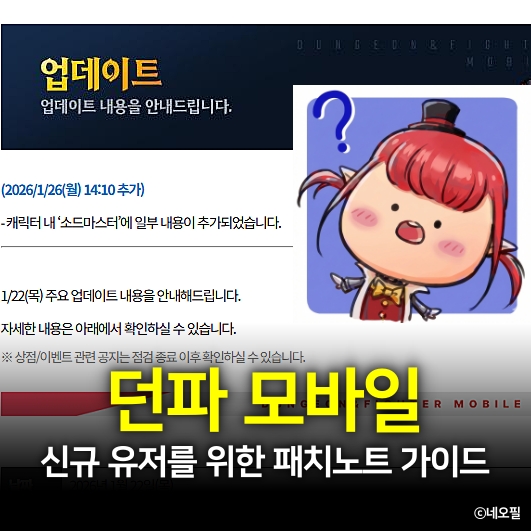
For new players, patch notes can sometimes feel like a coded message. They often contain terms that only become familiar after you have spent some time playing.
In today's post, I have put together a guide to patch notes for new players.
Where Can You Find Patch Notes?
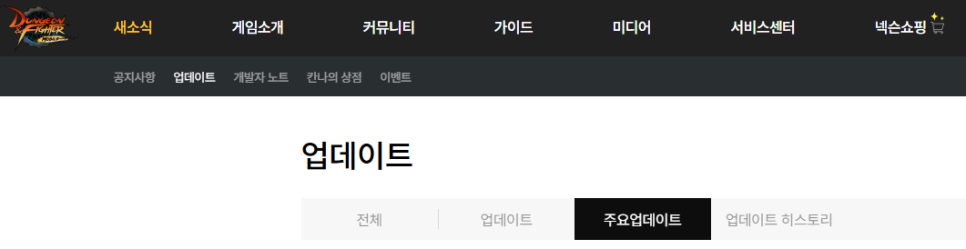
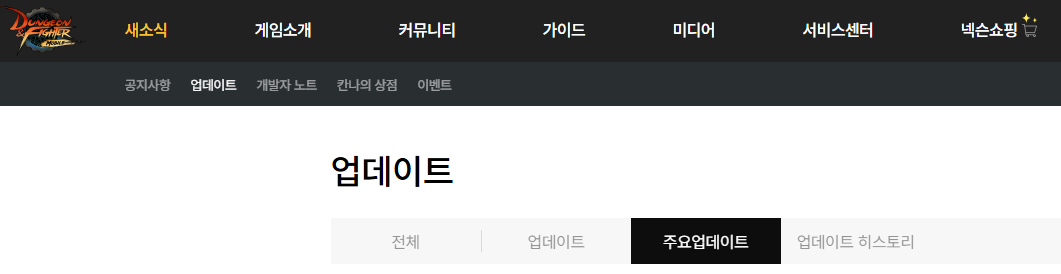
As with most Nexon games, there are three main boards worth knowing about for DNF Mobile.
The first is the Updates board. This covers updates, which introduce small improvements during weekly scheduled maintenance, and larger major updates, which arrive once a month.
The recent addition of the Male Mage is an example of a major update.
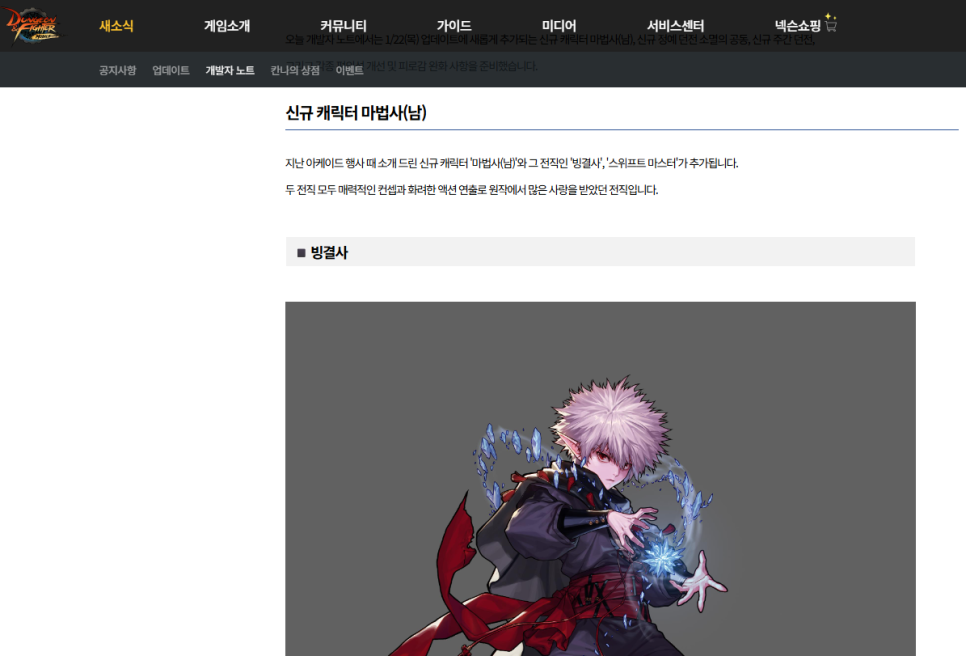
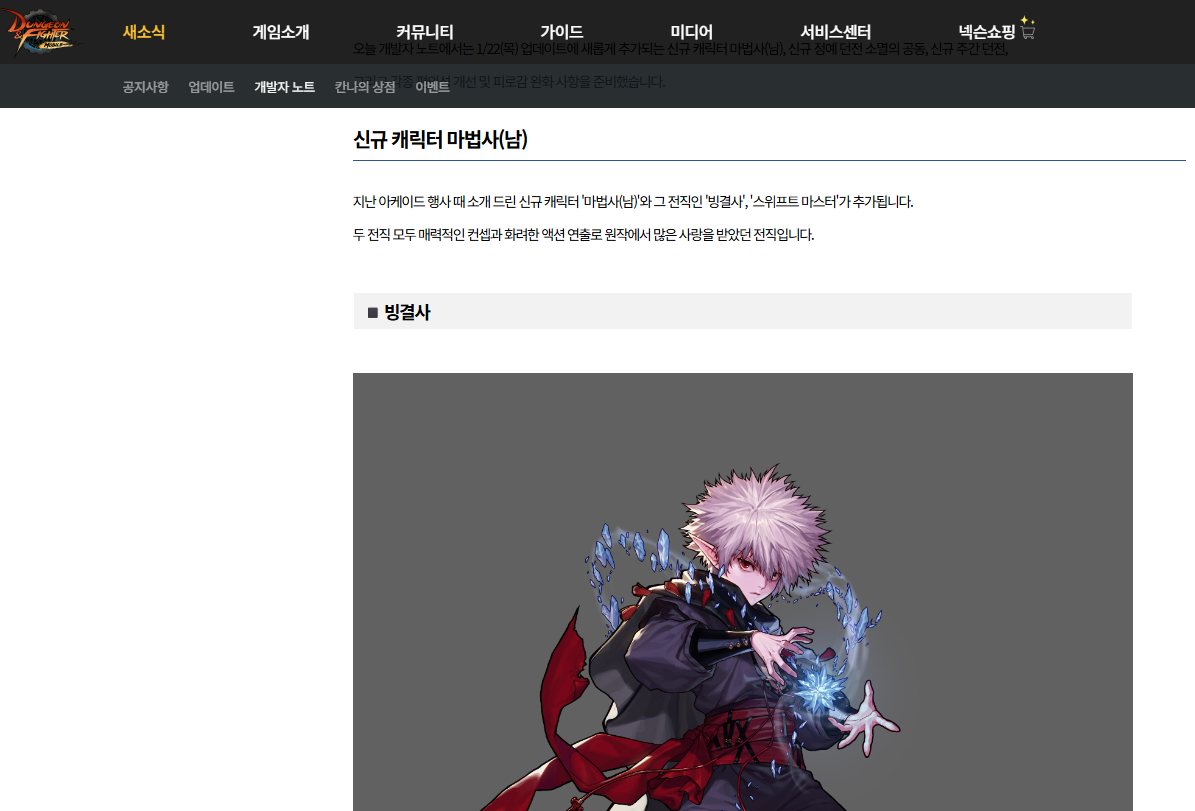
The second is Developer Notes. Here, Director 옥성태 personally shares information about important issues or upcoming updates. These notes are posted at least once a month, sometimes as often as 3~4 times a month.
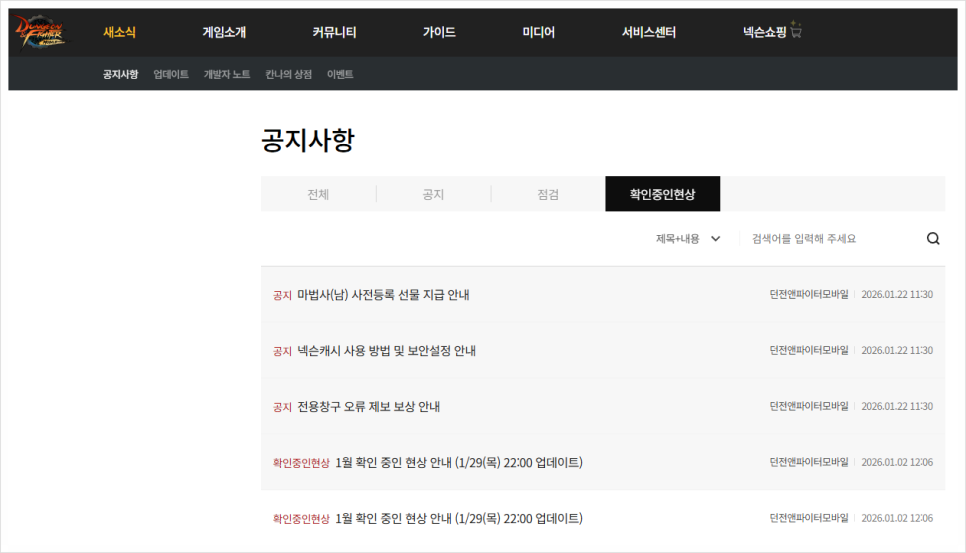
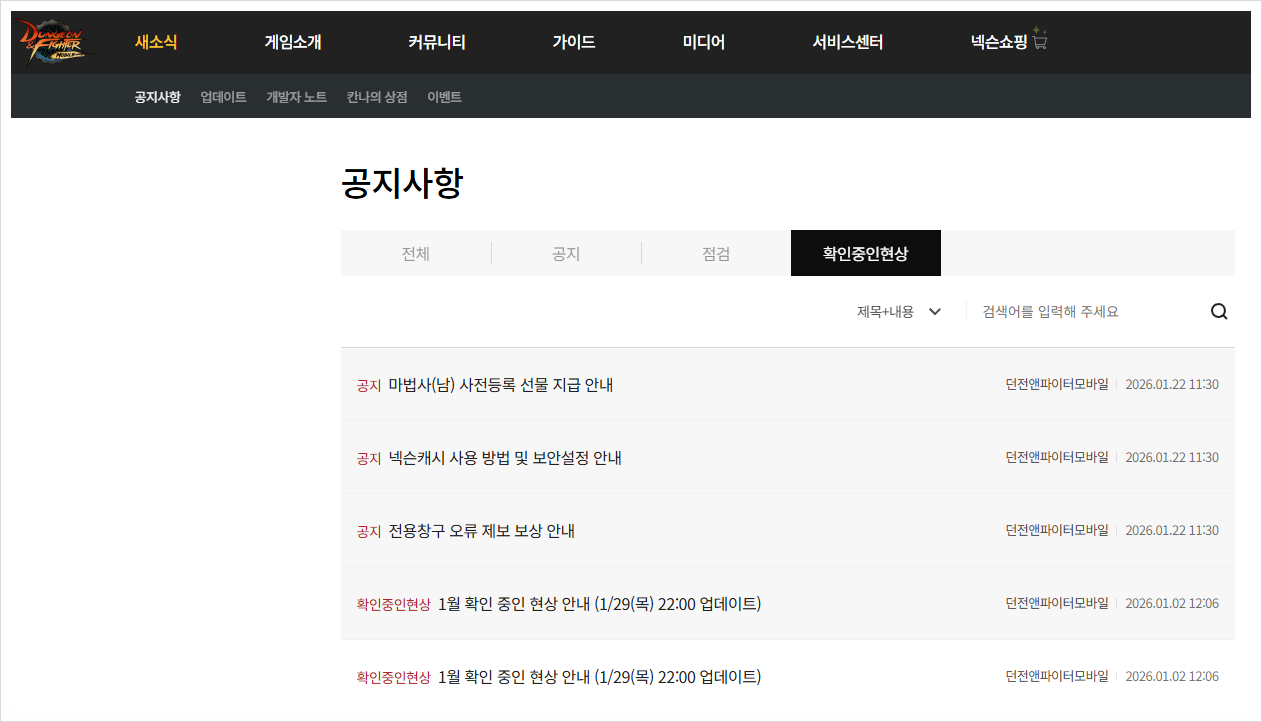
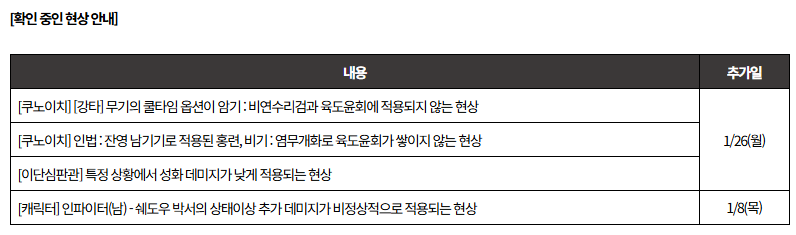
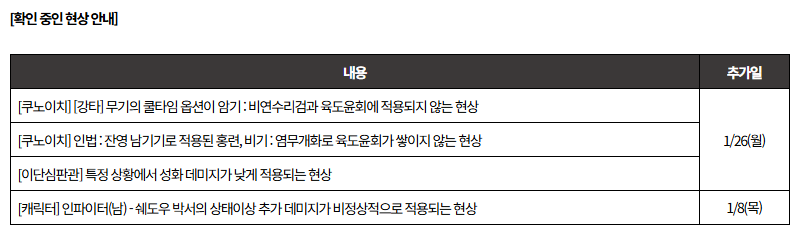
The third is Issues Under Investigation. This board lists in-game errors and bugs that the developers have acknowledged and are working to fix.
For example, if you try to use an item but it does not work, check this board first.
Key Patch Note Terms
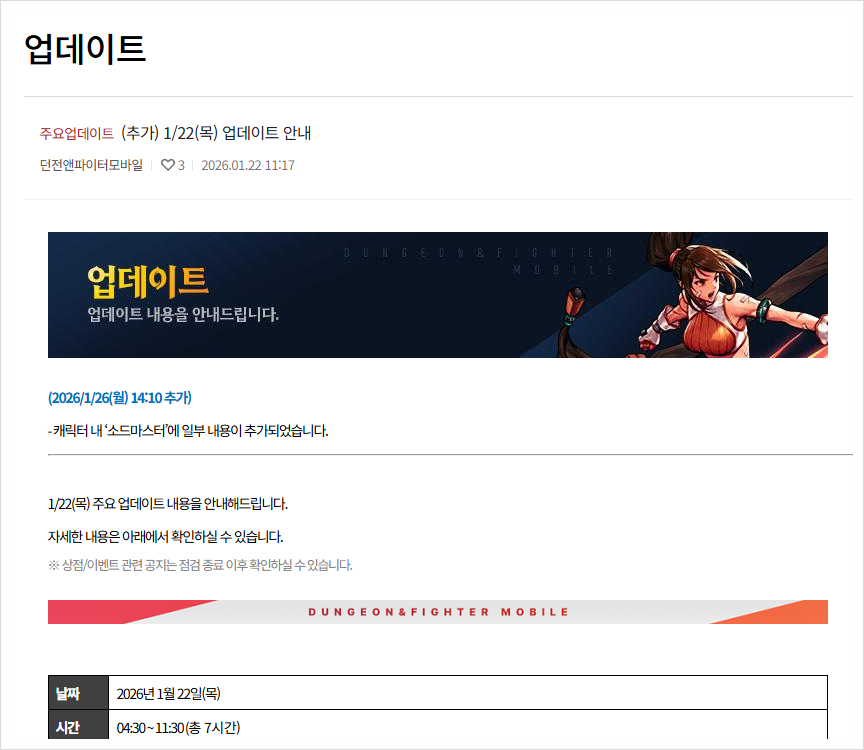
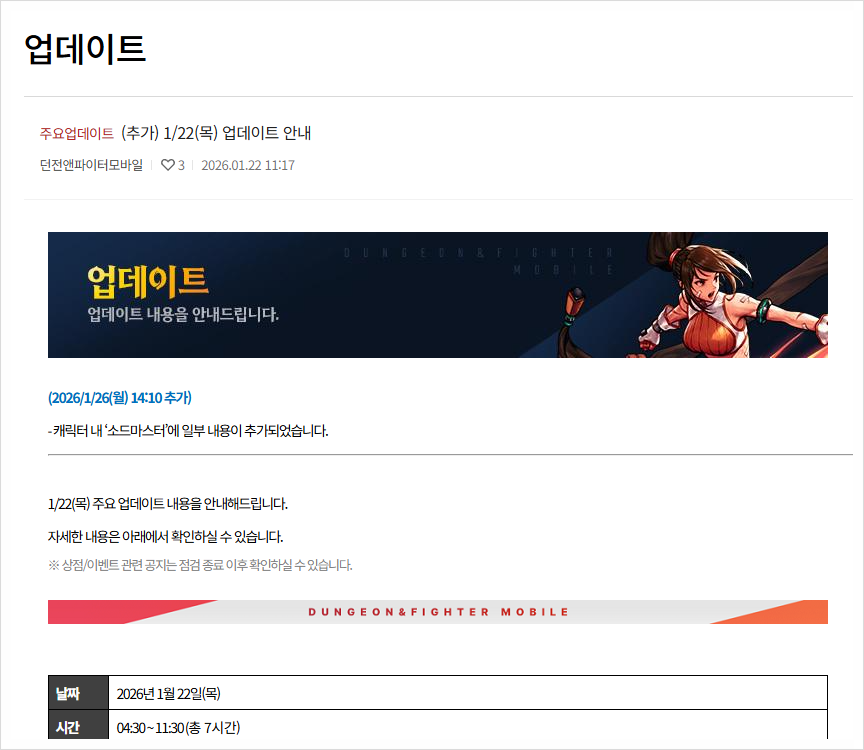
DNF Mobile released its Male Mage update on January 22. Patch notes for updates like this tend to be quite long, and unfamiliar terms can make them even harder to follow.
Let's look at a few of these terms.
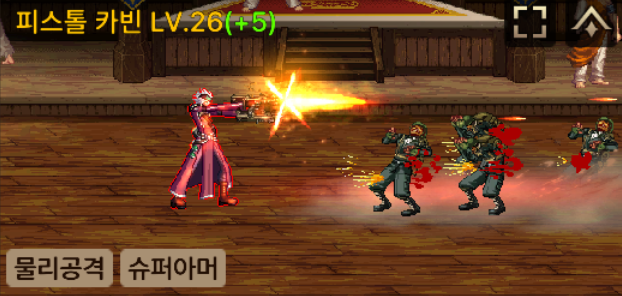
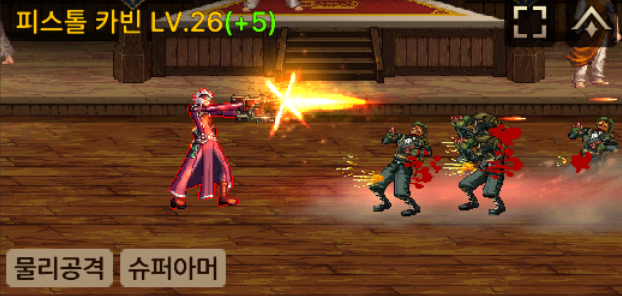
Super Armor is a state that lets you continue using skills while taking hits, without flinching or being staggered. Some skills have Super Armor built in.

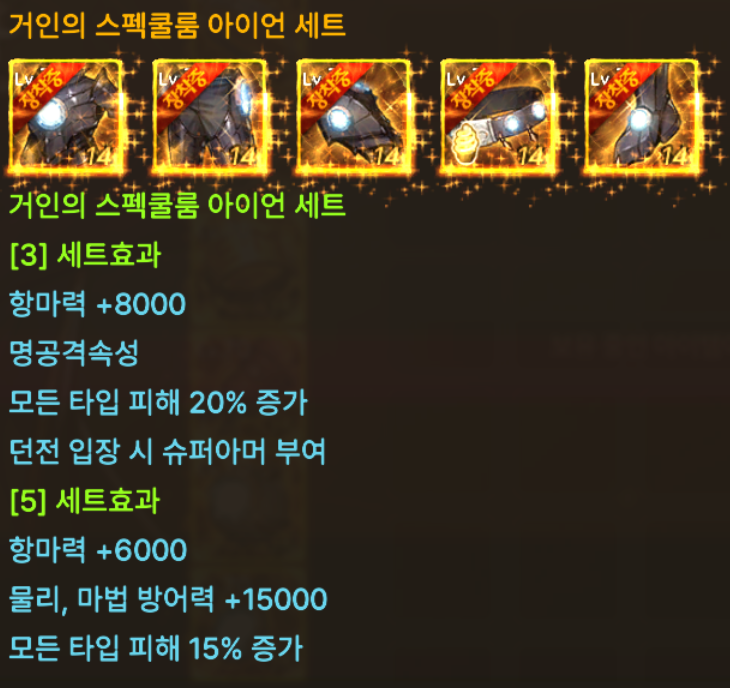
It can also activate when you equip certain items, such as the 거인 set. Having it greatly reduces your risk of dying in difficult content such as raids or Disaster Dungeons.

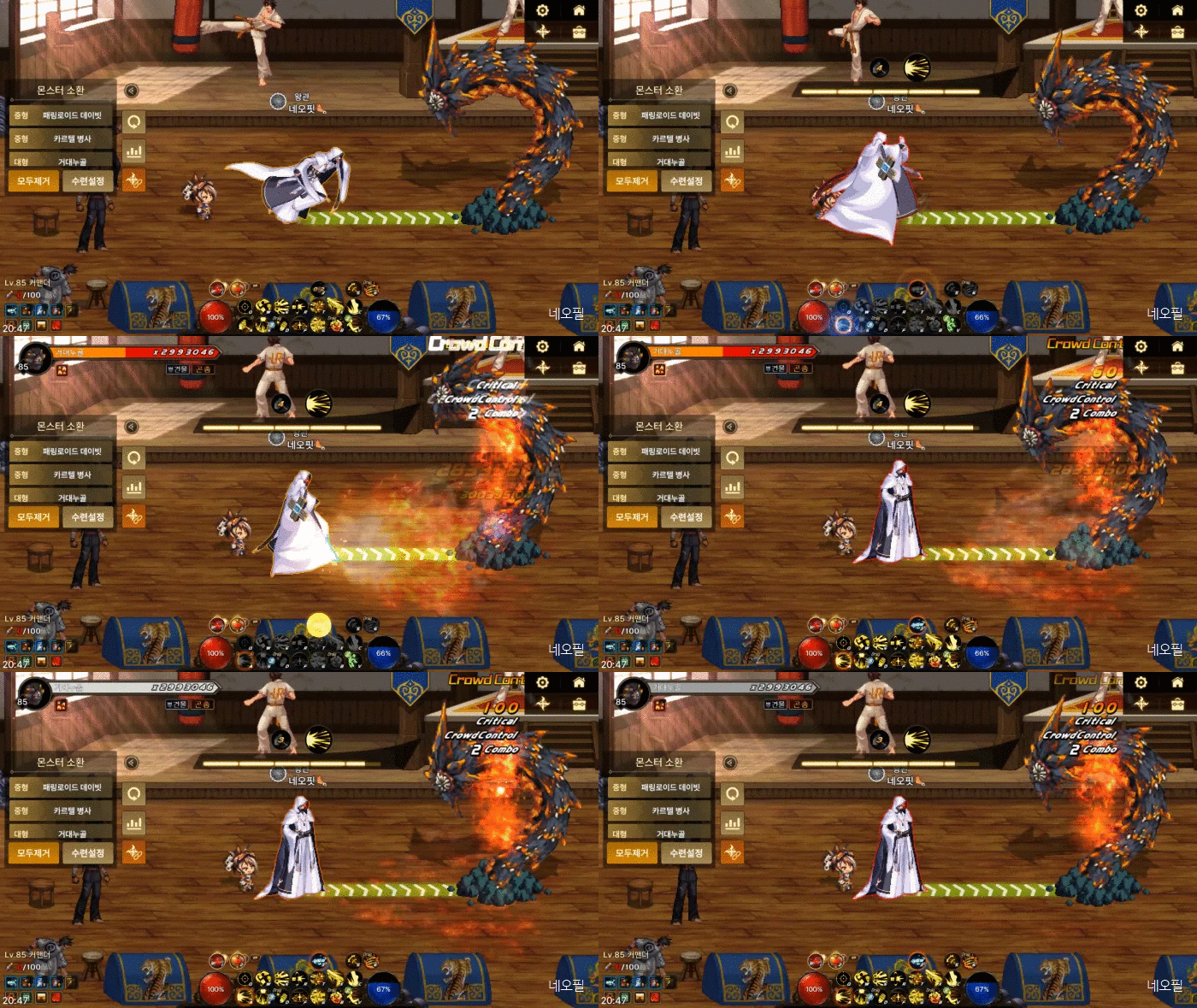
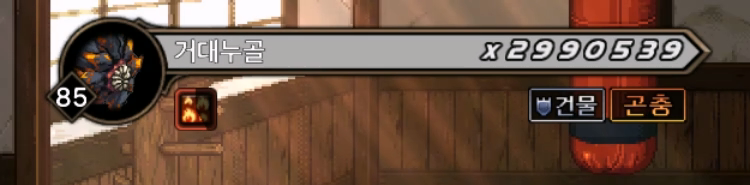
A skill that applied 1 burn stack with 1 use

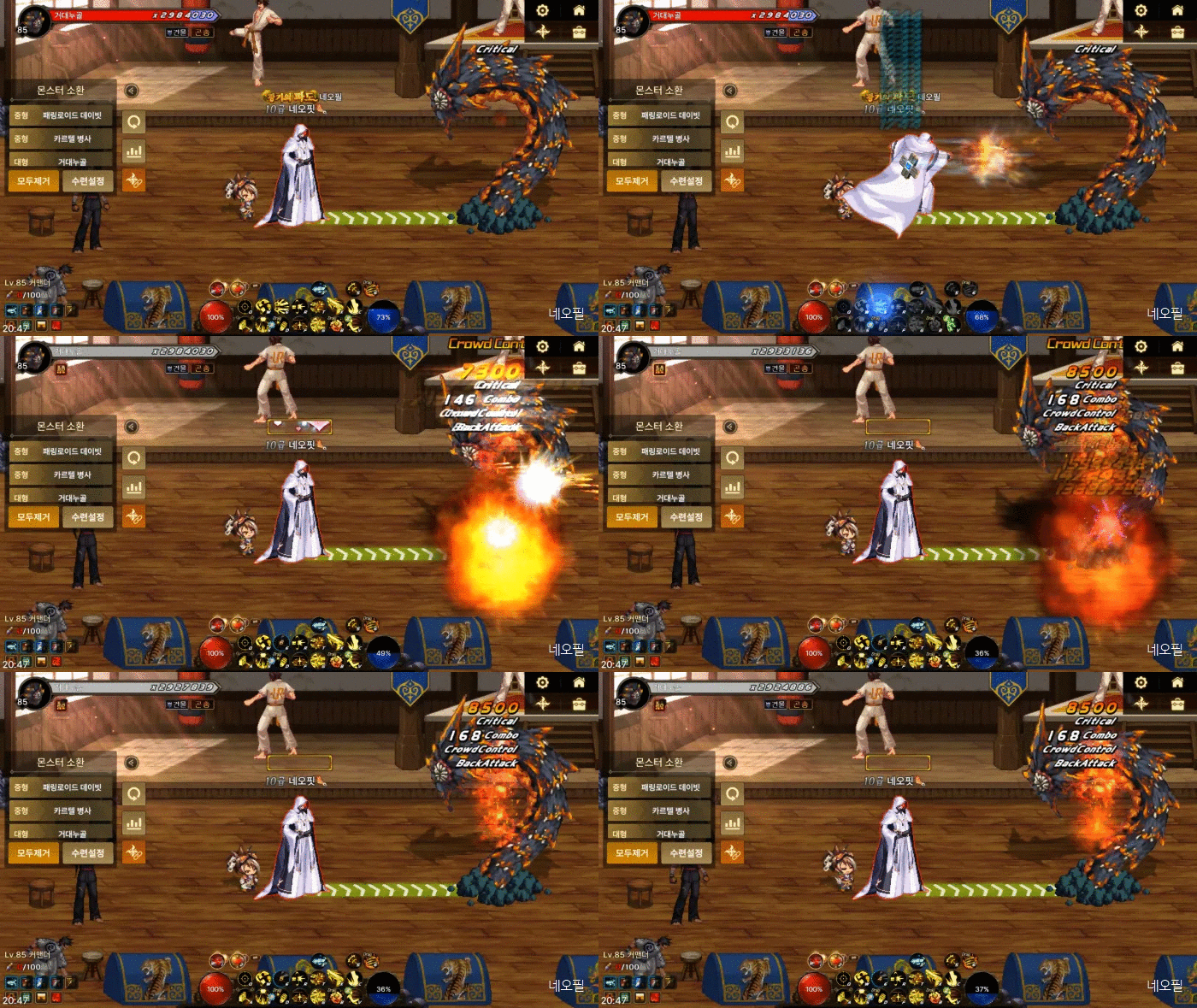
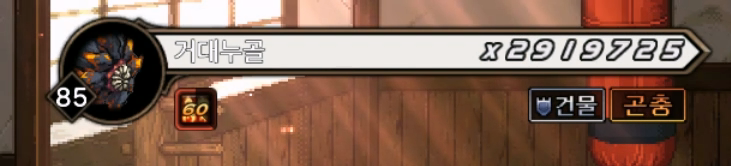
A skill that applied 60 burn stacks with 1 use
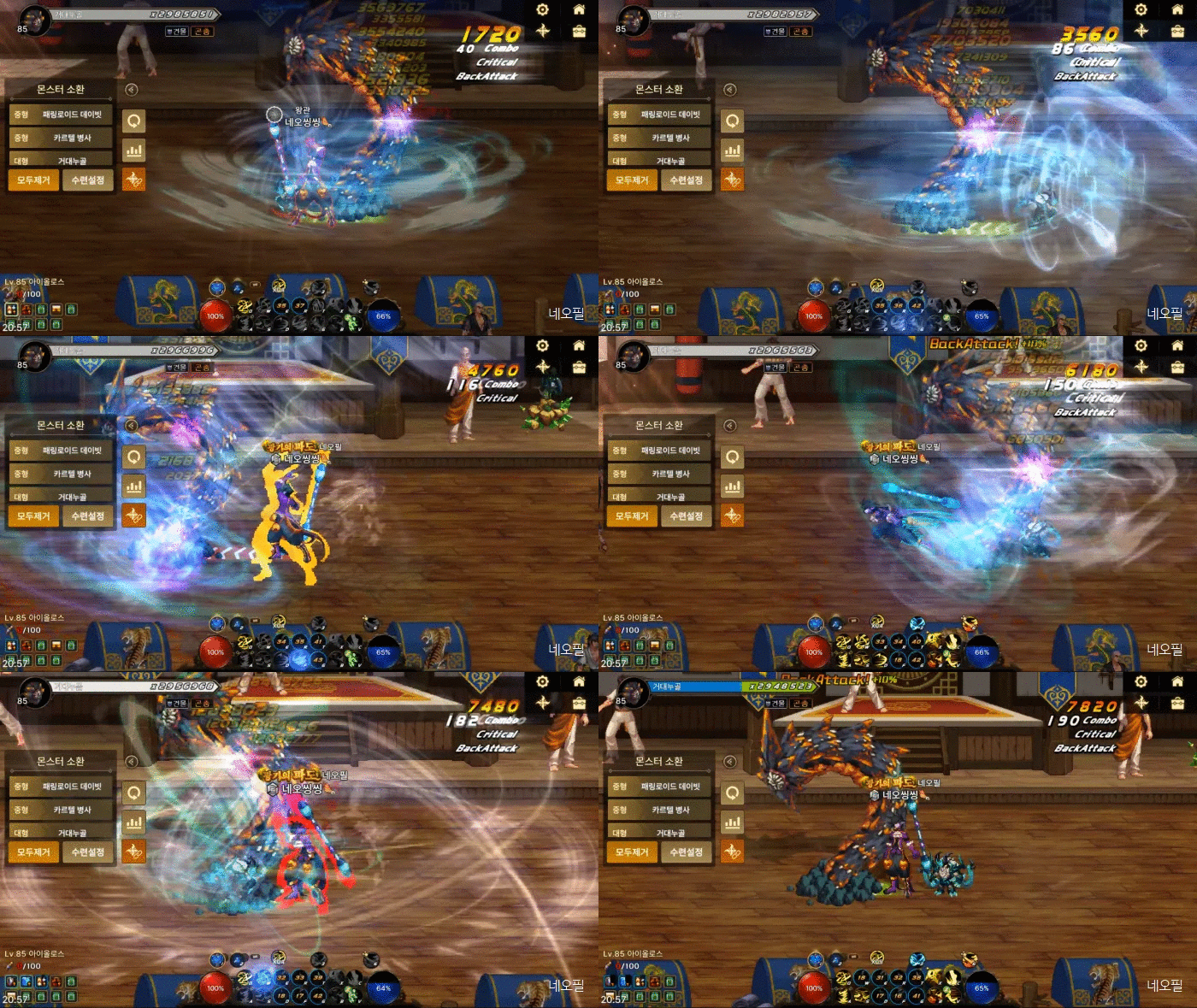
Multi-hit means that a single use of a skill registers multiple hits in succession.
Skills that hit many times are useful for mechanics that require repeated hits on an enemy to break free from a restraint. They are also useful for building stacks of status effects (burn, poison, bleed, and shock).
However, those extra hits also mean longer channeling (the time during which your character's movement is restricted while using a skill).
Canceling means interrupting the skill you are currently casting with another skill or movement so you can move straight into your next action.
The Swift Master's Sonic Move is a good example. Canceling gives players more freedom to act and speeds up combat, making it one of the most popular systems among DNF Mobile players.

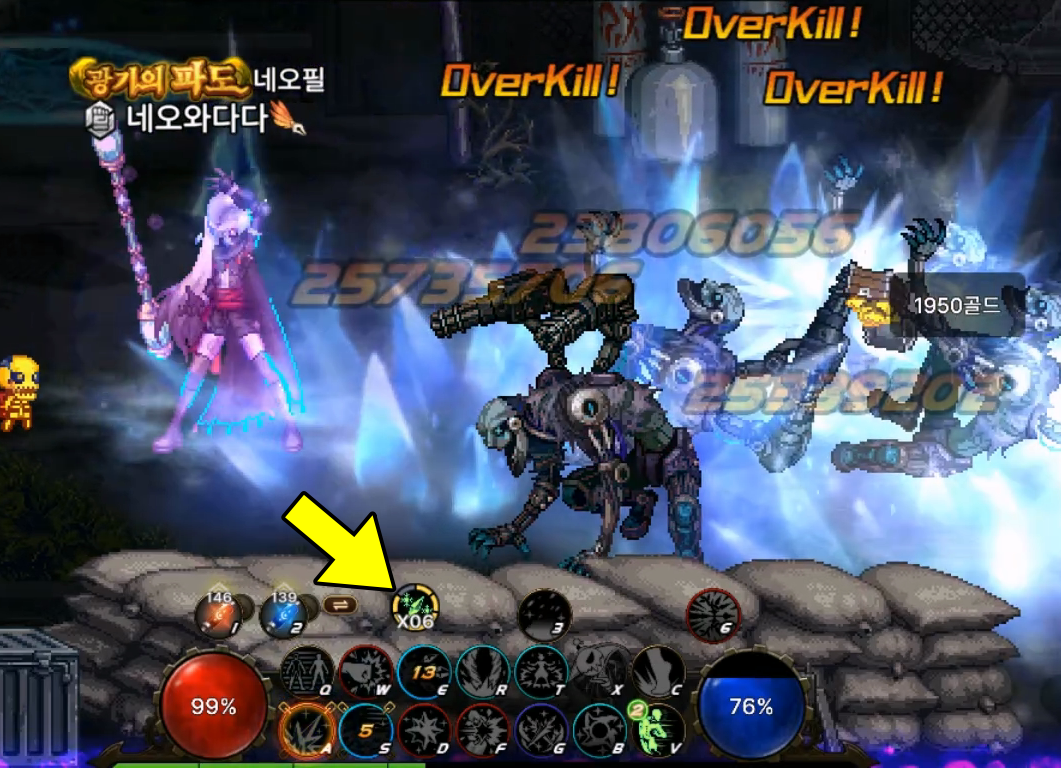
Stacks are a resource that accumulates each time you use a particular skill. Additional effects or damage increase in proportion to the stack count. The Glacial Master's 헤일스톰 is a good example. For now, the basic idea is to build up plenty of stacks before unleashing them.

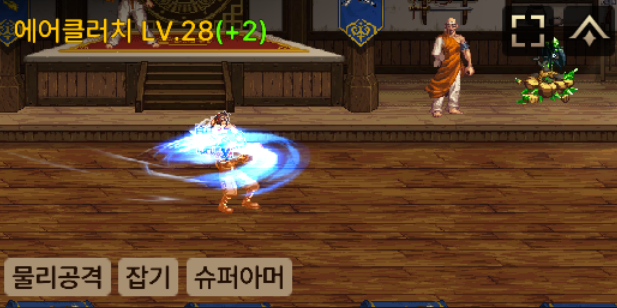
Hold is an effect that grabs or binds enemies, preventing them from acting. Most of the Grappler's grab skills fall into this category. However, holds rarely work on bosses, which limits how much you can rely on them.
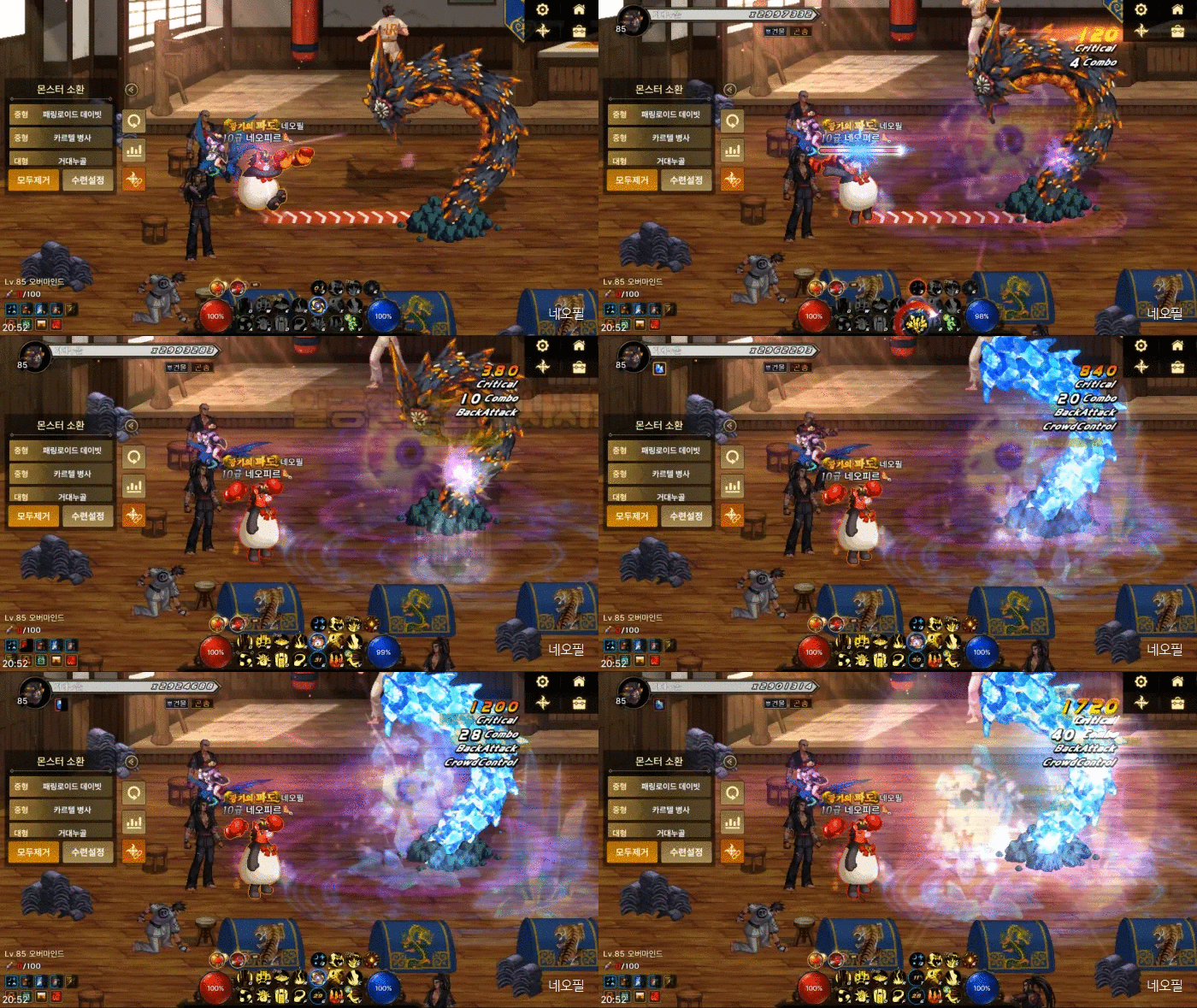
An example of a deployable skill. Once placed, it lets you perform other actions.
A deployable skill summons or places something on the ground or at a specific location, where it attacks automatically for a set time.
Examples of deployable skills include a Mechanic summoning robots or an Elementalist casting a spell that creates an icy area on the ground.
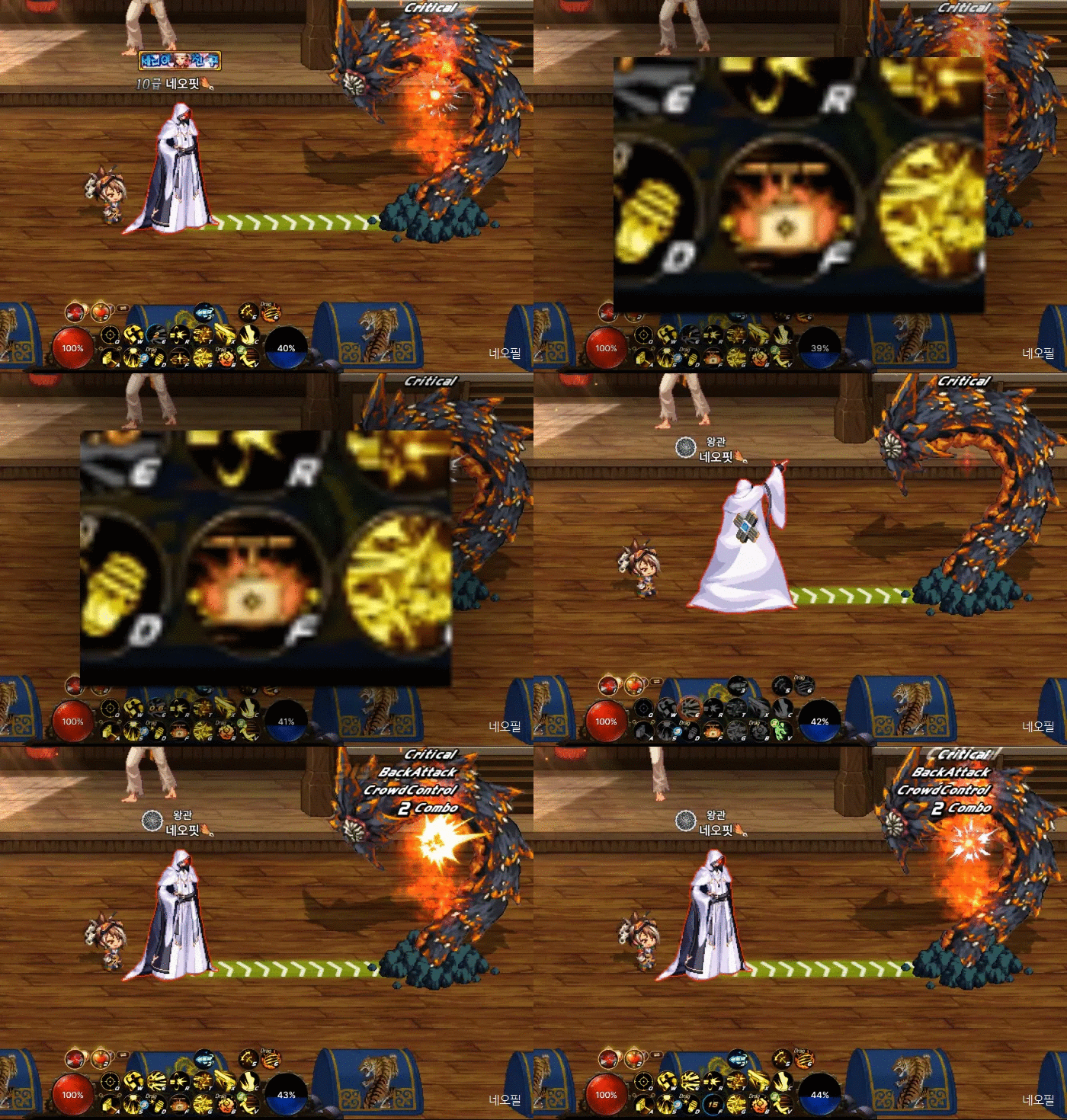
Detonate is a trigger button that lets you activate an additional skill action once certain conditions are met. For example, attaching a Spitfire's C4 to an enemy changes the skill icon to Detonate. Press the button again whenever you want to set it off.

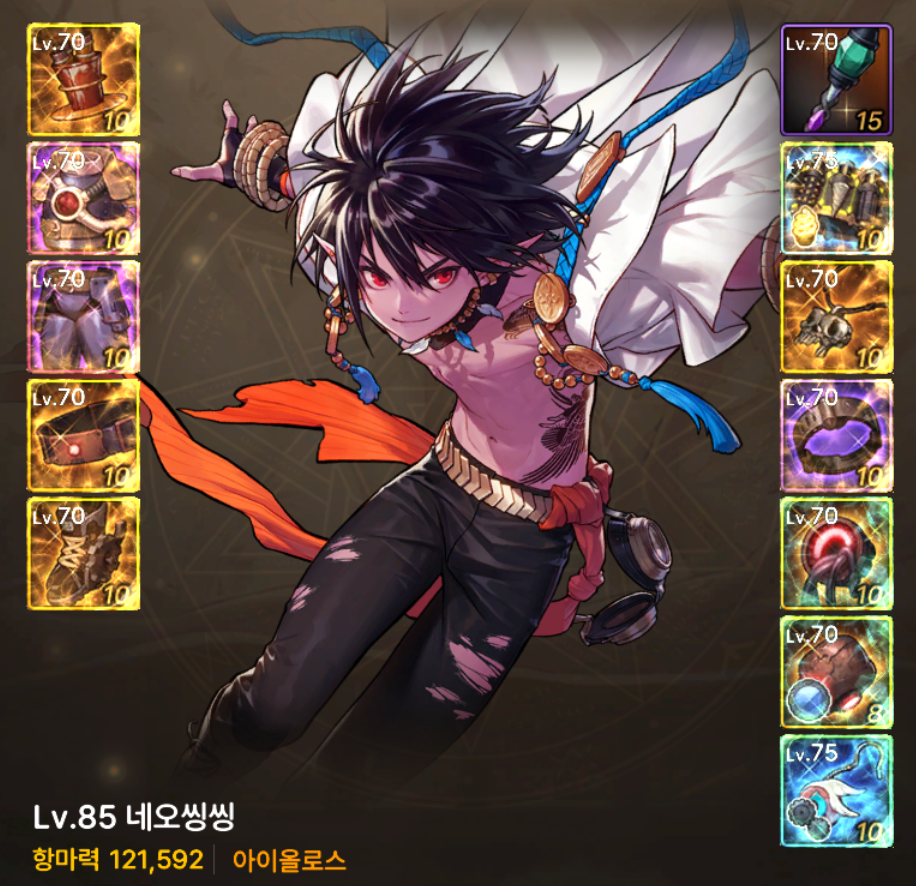
The Swift Master I am leveling through 넥스트 하이웨이. I have already picked up 3 pieces of 익시드 gear.
Exorcism is a combat power rating used to determine whether you meet a dungeon's entry requirements.
With the 넥스트 하이웨이 benefits, new players can start with a character at around 70,000~80,000 Exorcism and should be able to reach around 150,000 fairly easily. The highest current Exorcism requirement is for 소멸의 공동 on Master difficulty (169,500).

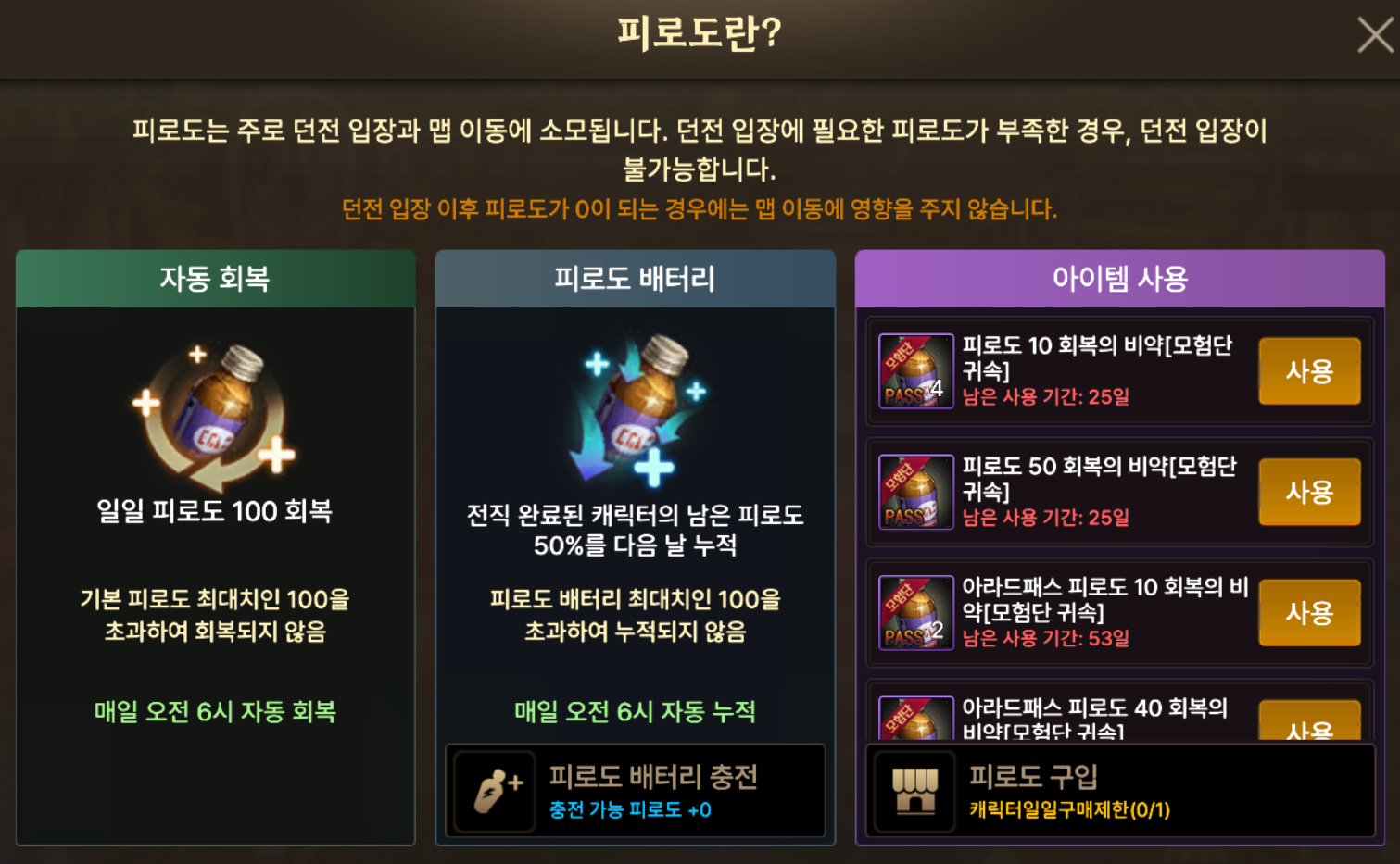
Fatigue is a resource that limits how many dungeon runs you can complete in a day. You receive 100 per day. If you do not use it, half carries over to the next day as a Fatigue Battery, giving you 100(+50).

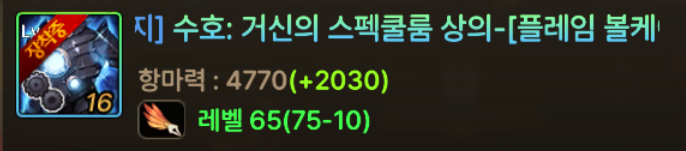
A prefix is an attribute modifier at the beginning of an equipment name. It determines the equipment's stats or attribute effects. Examples include Distortion, Illusion, and Protection. 익시드 gear also comes with a prefix by default.

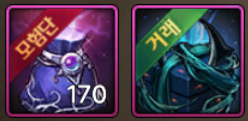
Character-bound items do not have this kind of ribbon(?).
Adventure Team-bound items can be shared by all characters on an account, while character-bound items can only be used by the character they are bound to.

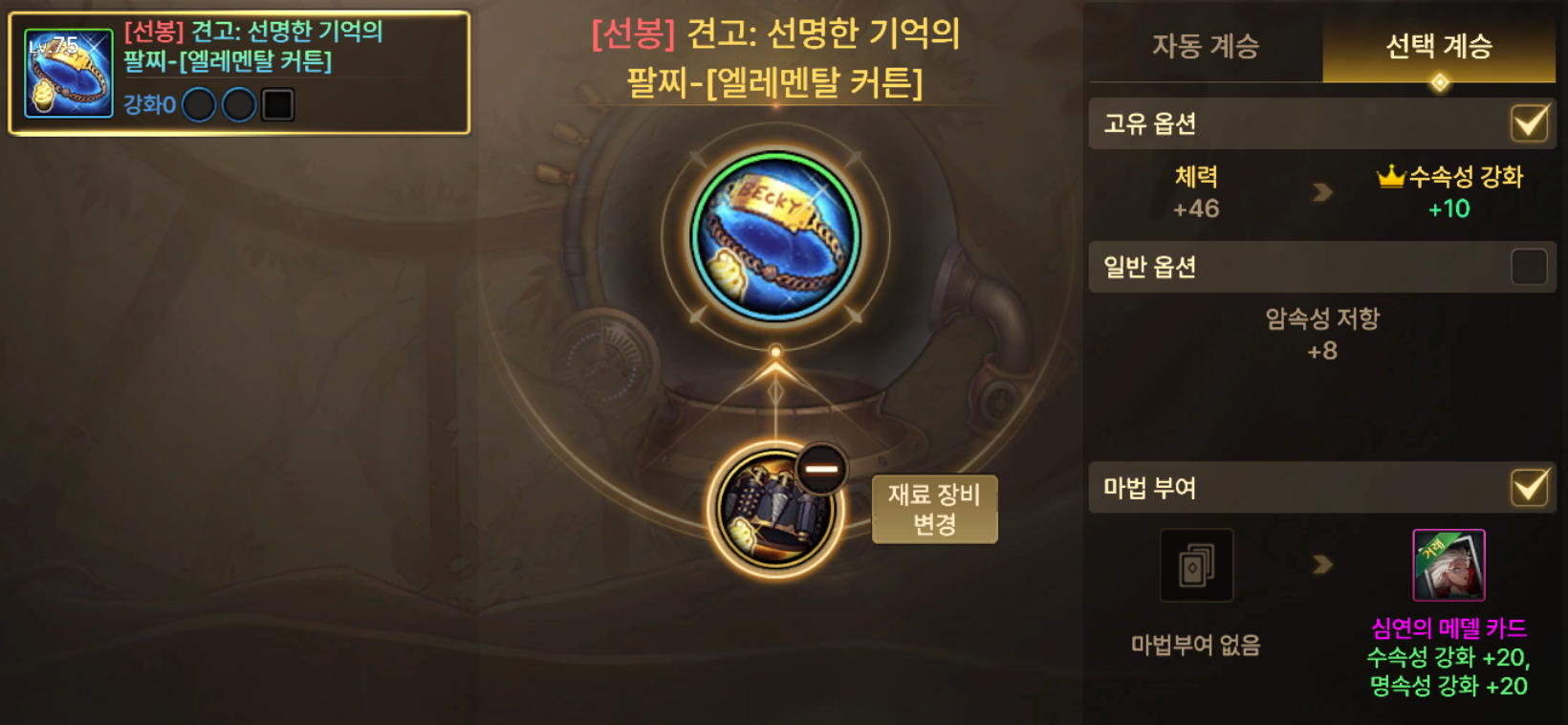
Inheritance lets you transfer reinforcement, honing, enchantments, and similar upgrades from existing equipment to another piece of equipment. Transcendence lets you move certain character-bound items (Epic equipment, skill runes, 오칭크아, etc.) to another character.


오칭크아 is a term used more often among players than in patch notes. It is Korean shorthand for auras, titles, creatures, and avatars. These are key items you need to equip to build a solid foundation for your character.
That covers this guide to patch notes for new DNF Mobile players. Even if some terms do not make sense right away, they should become familiar naturally as you play.