Party and Co-op Play: A Checklist of Etiquette and Tips Based on Two Games
네오필

|
This post was created as part of Nexon PEAK activities. |


The foundation of good party etiquette is being honest about your skill and agreeing on expectations with your teammates beforehand. Confirming preparations and roles can reduce unnecessary failures. Understanding each other's circumstances also helps keep problems from turning into heated arguments.
Similar conflicts arise in both MapleStory boss parties and Mabinogi Mobile raids. This guide covers party etiquette and cooperative play tips, drawing on both games' systems and real examples from their communities.
|
Contents |
|
1. MapleStory Party Etiquette |
|
2. Mabinogi Mobile Party Etiquette |
|
3. Shared Party Play Checklist |
1. MapleStory Party Etiquette
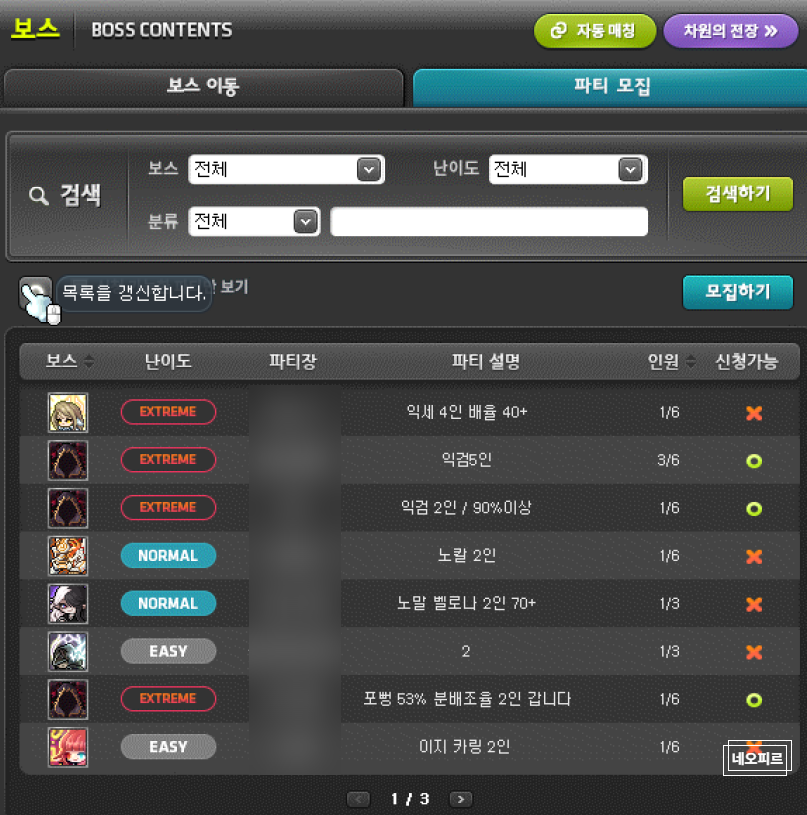
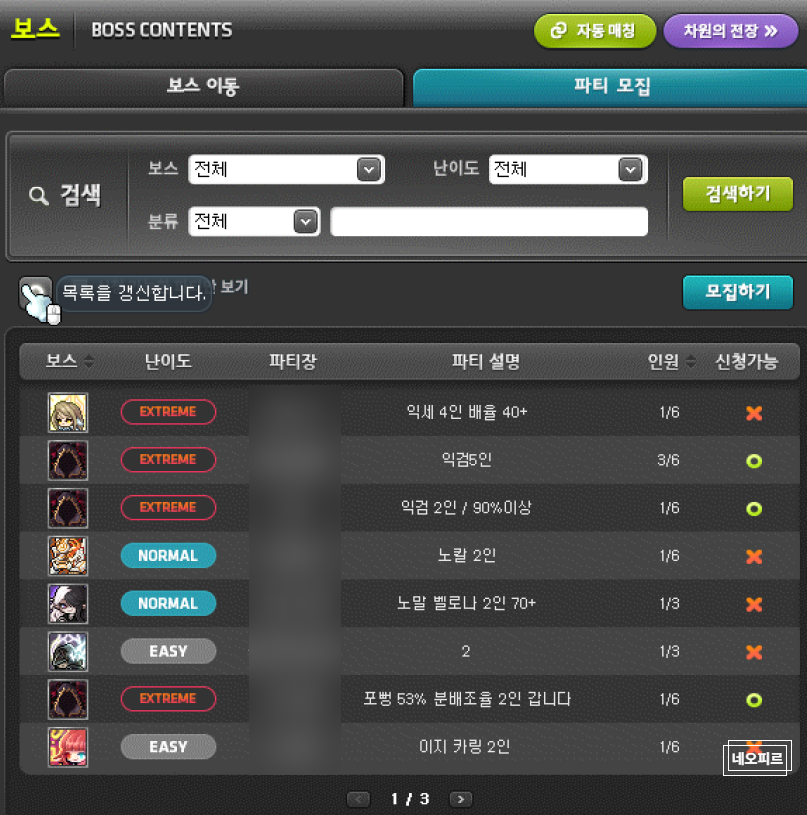
If you are a MapleStory beginner joining your first boss party, first check whether it is a practice party or one aiming for a quick clear. Different parties expect different levels of experience, even when taking on the same boss.
Reading a guide is not the same as handling mechanics in practice. If it is your first attempt, say so before entering and ask whether you can join. A practice party can learn through trial and error together. Hiding your lack of experience to join a party recruiting experienced players, however, leaves you and your teammates with different expectations for the run.
Coordinate Binds and Burst Damage
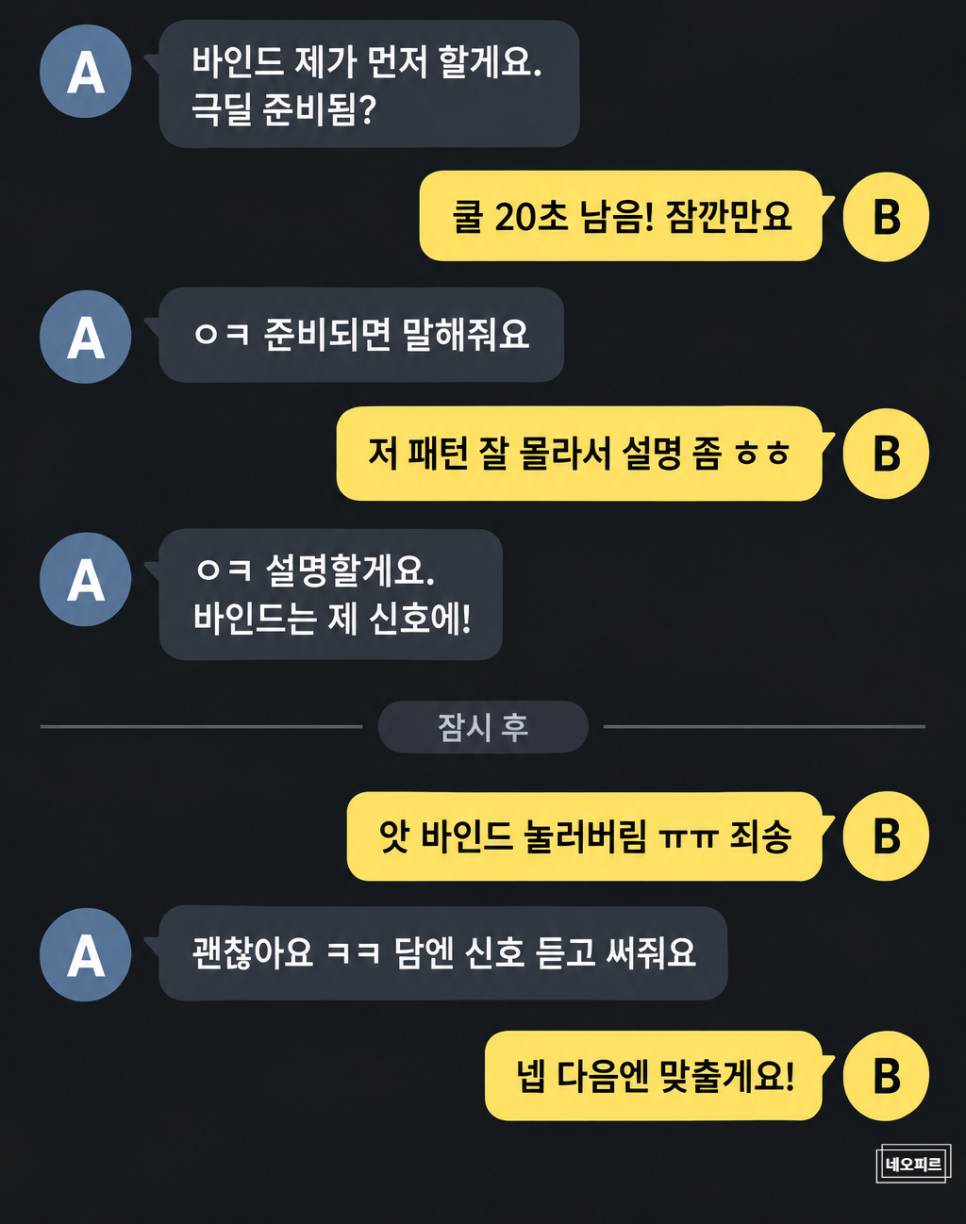
Agree in advance on the sequence for binds, which briefly immobilize bosses, and burst phases, when you concentrate your strongest attacks. What seems like the right moment for you may be too early for a teammate whose key skills are not yet ready.
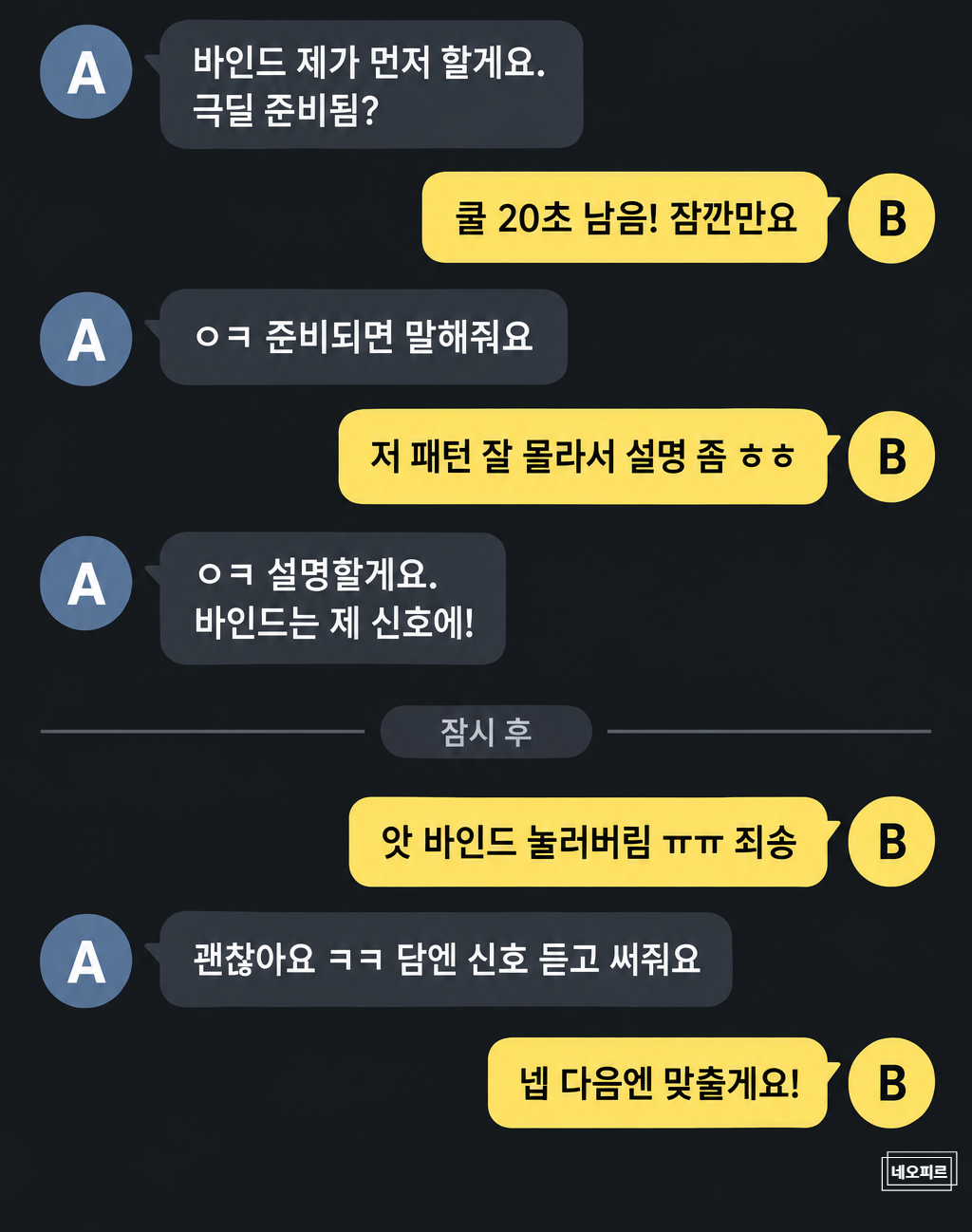
Before entering, decide who will use a bind first. If you need more time to prepare, let the party know through text or voice chat. If you are unfamiliar with a mechanic, listening to someone else's explanation is safer than pretending to understand it and giving instructions.
When someone makes a mistake, explain what to do next rather than judging the player. “Please wait for the signal before binding next time” is more helpful for the next attempt than “Why are you so bad at this?”
Confirm Reward and Retry Rules
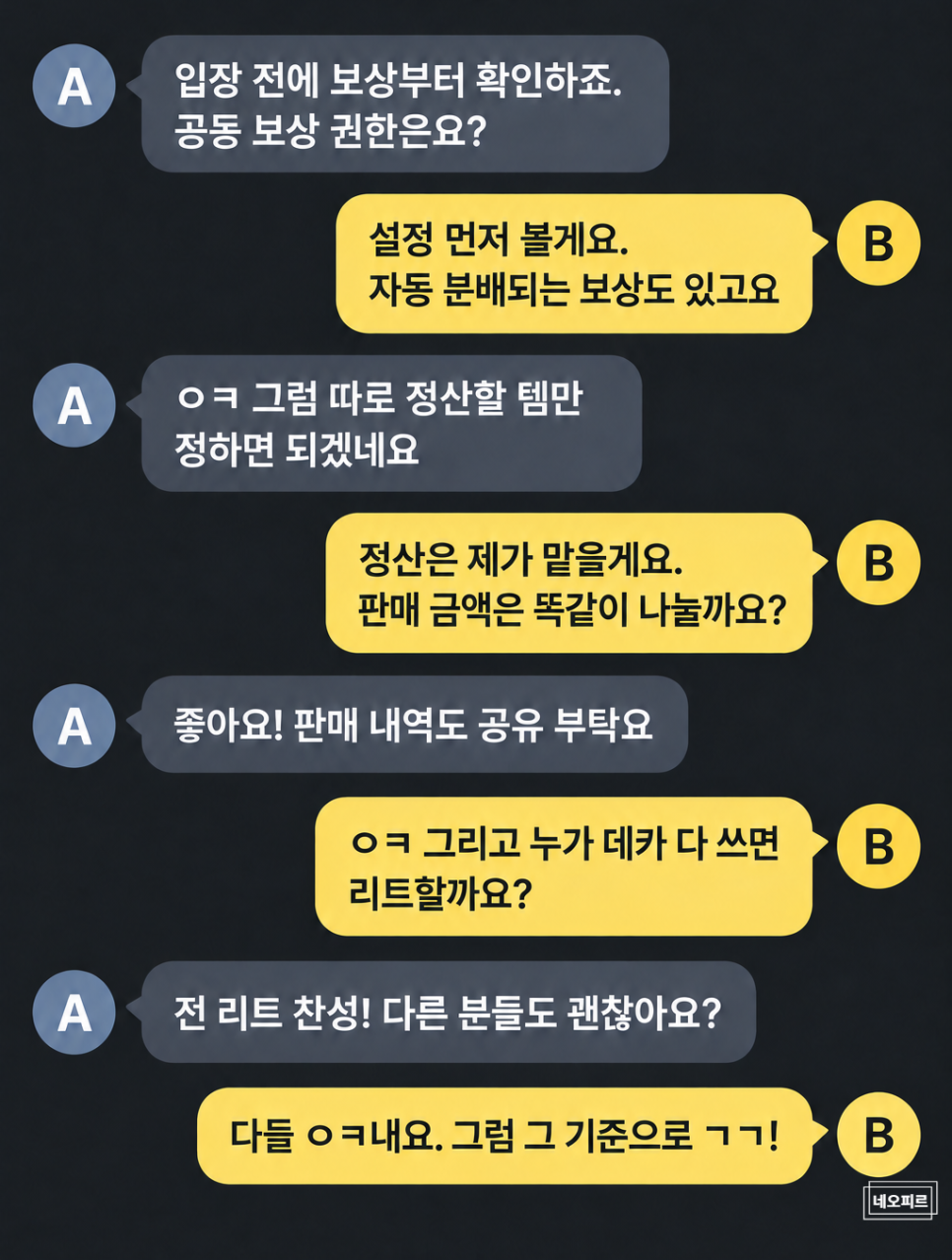
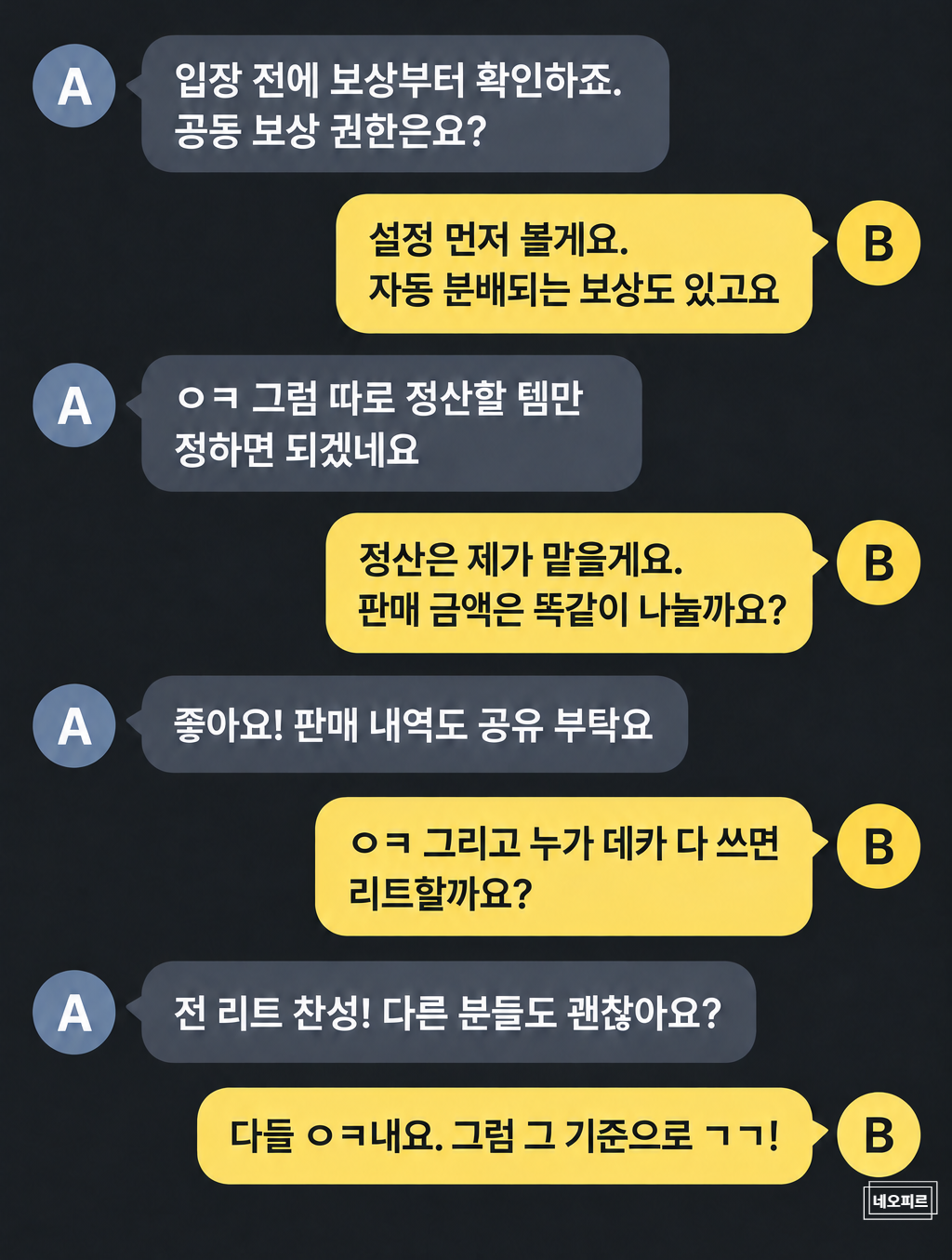
Before entering a boss encounter, check how rewards will be collected. MapleStory has settings that control who can pick up shared rewards, while 차원의 전장 also offers automatic reward distribution. Not every party has one person collect the items, sell them, and split the proceeds.
If any items require a separate payout, agree beforehand on who will handle it and how. Also check whether the party will continue or restart if someone uses up their entire death count. The key is not to mistake your own assumptions for an agreement shared by the whole party.
Confirm the Schedule Where Everyone Can See It
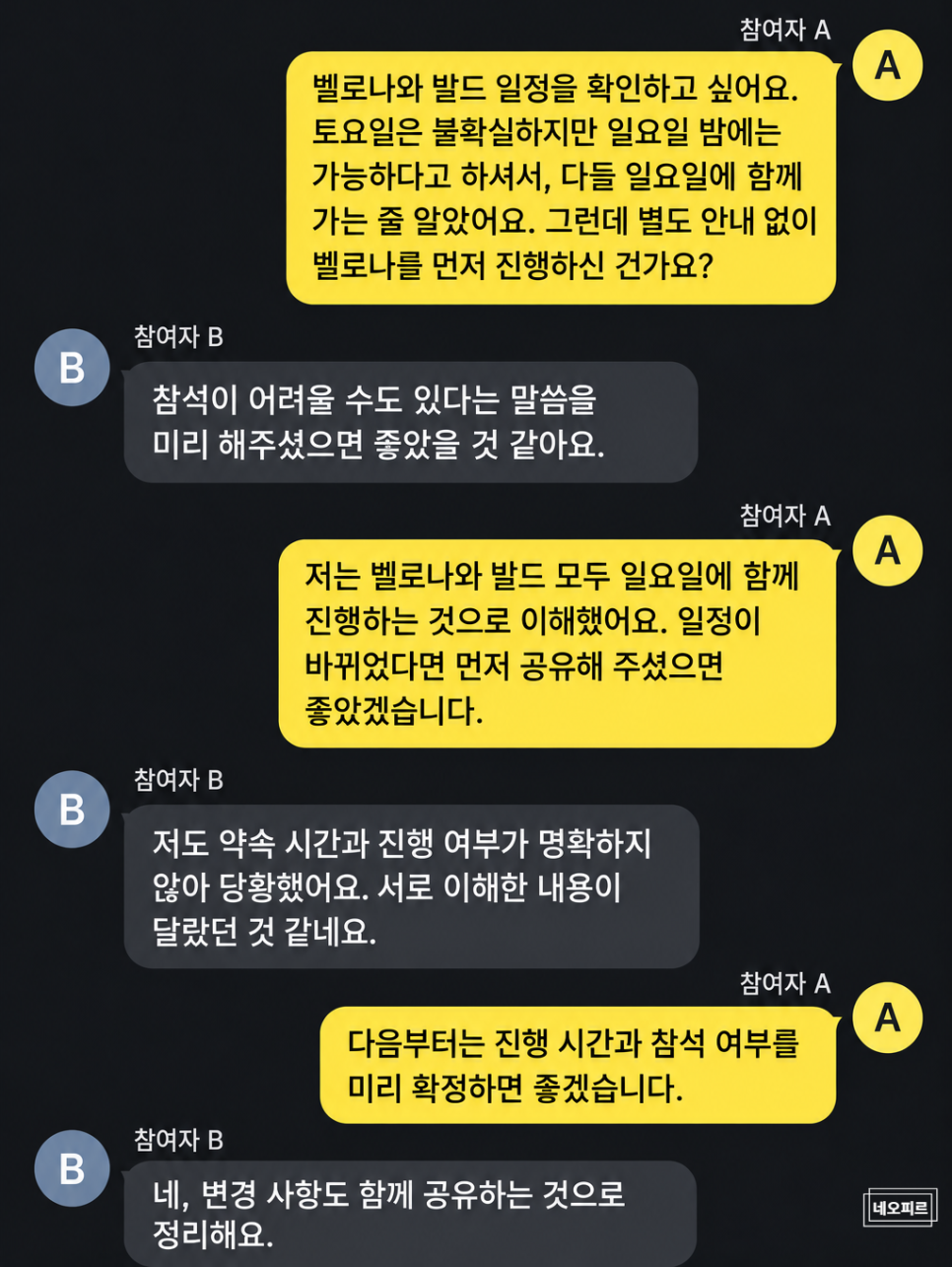
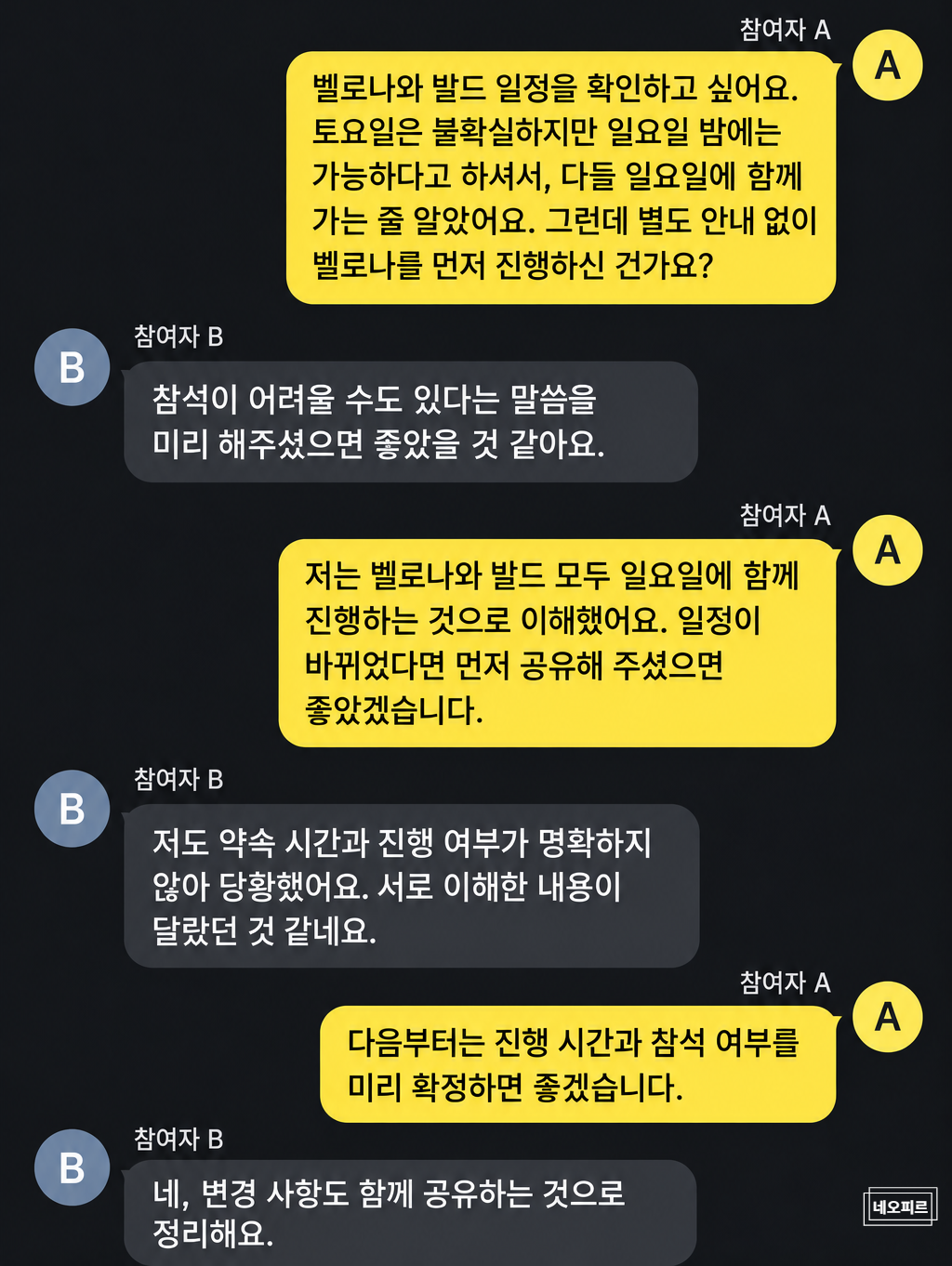
A regular party should also set a precise date and time. “We start on Sunday at 10 p.m.” is clearer than “Let's go on a weekend evening.” Party members should keep to that time, and the leader should post the confirmed schedule in a chat everyone can access.
In September 2026, a dispute arose over a member of a weekend boss party who reportedly cleared a boss alone before the planned group run. Some commenters criticized the player's decision, while others pointed out that the party leader had not clearly confirmed the date. A later statement from the guild leader involved also included an apology for breaking the scheduling agreement.
We cannot assess every detail of those private conversations, but the practical lesson is clear. Participants should honor prior commitments, and organizers should communicate those commitments so that everyone understands them the same way. If your schedule changes, ask whether an adjustment is possible rather than deciding on your own and informing everyone afterward.
2. Mabinogi Mobile Party Etiquette


In Mabinogi Mobile, make a habit of finishing your preparations before setting off on a raid. At 시작의 갑판, you can repair equipment, buy the items you need, or use a campfire. Complete your preparations and confirm your role before pressing the ready-to-depart button.
If you are attempting content for the first time, mention any mechanics you do not understand beforehand. A long explanation can be difficult to follow during an encounter. If you are confused because roles or sequences were communicated only as numbers, confirm exactly what you need to do and when.
Using Assist Is Not the Same as Leaving the Game Unattended
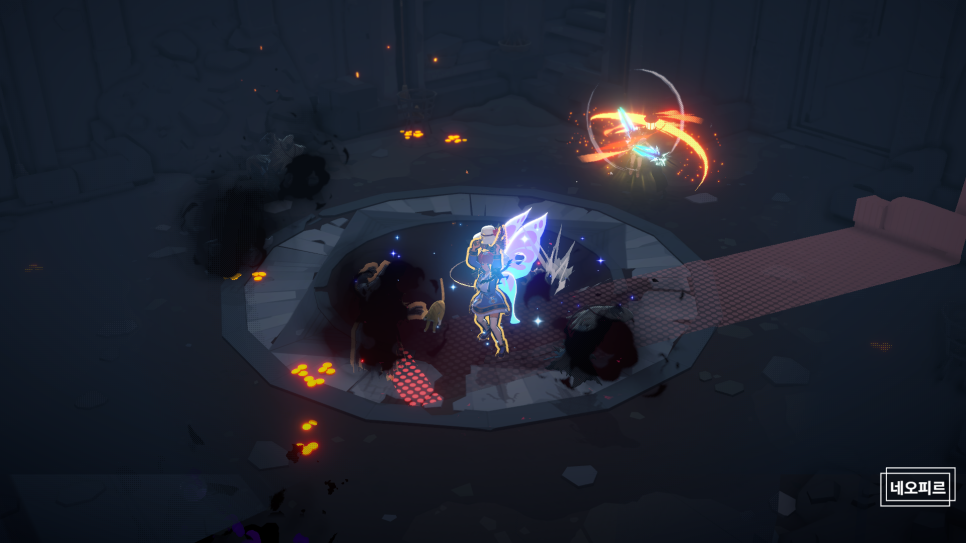
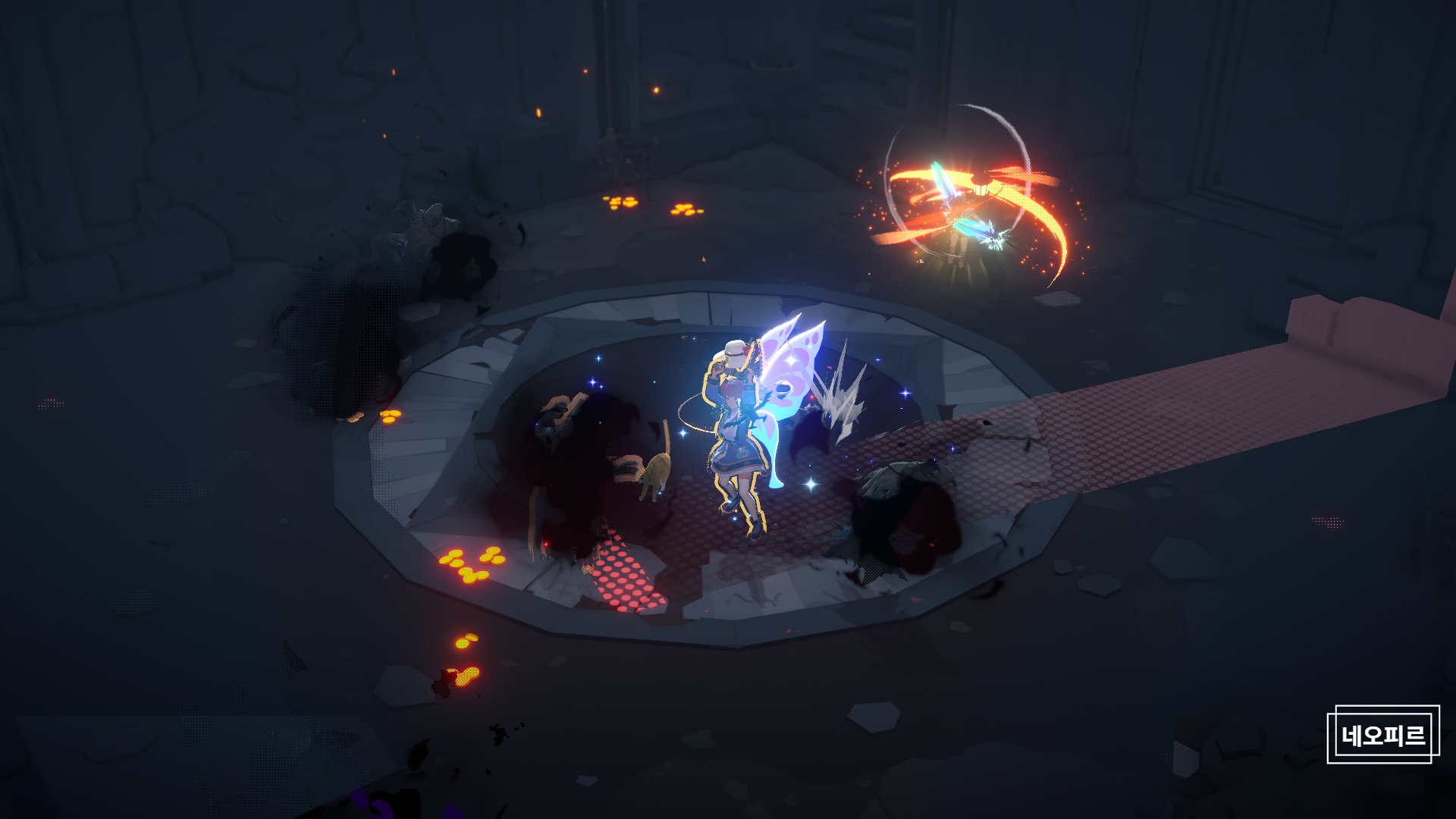
Using Assist is not, in itself, poor etiquette. It is an officially supported feature, and you can still move or use skills manually while it is enabled.
However, Assist does not handle mechanics or party communication for you. Move manually when you need to avoid a dangerous attack, and acknowledge requests from teammates to take on a role. Using a convenience feature is different from enabling auto-combat and no longer watching the screen.
If you are recruiting players for manual play, state that requirement clearly. Mabinogi Mobile also offers the “Disable Assist” setting for “Challenging Rules Parties.” Recruit people who want to play the same way from the outset, rather than imposing an unannounced requirement after everyone has entered.
Let Others Know Whether You Intend to Continue, Even When Receiving Help
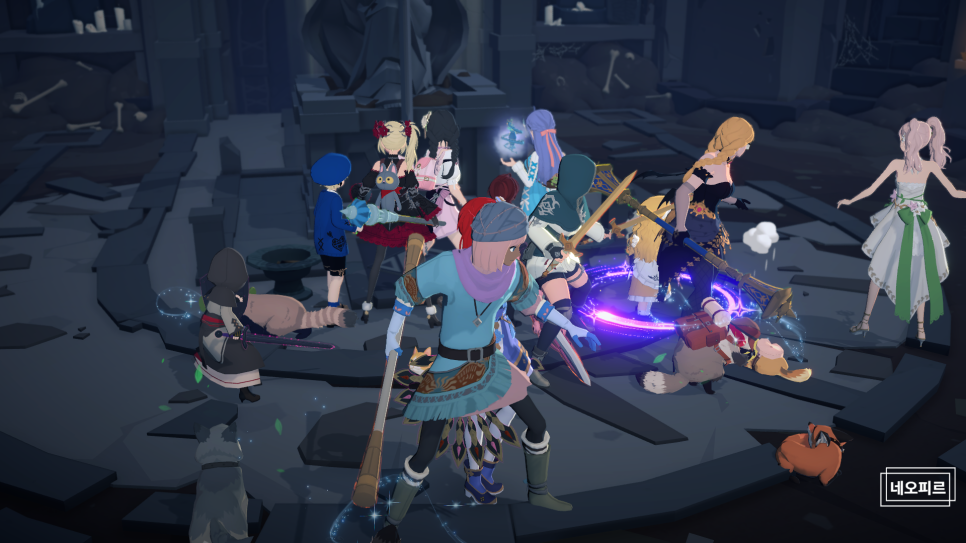
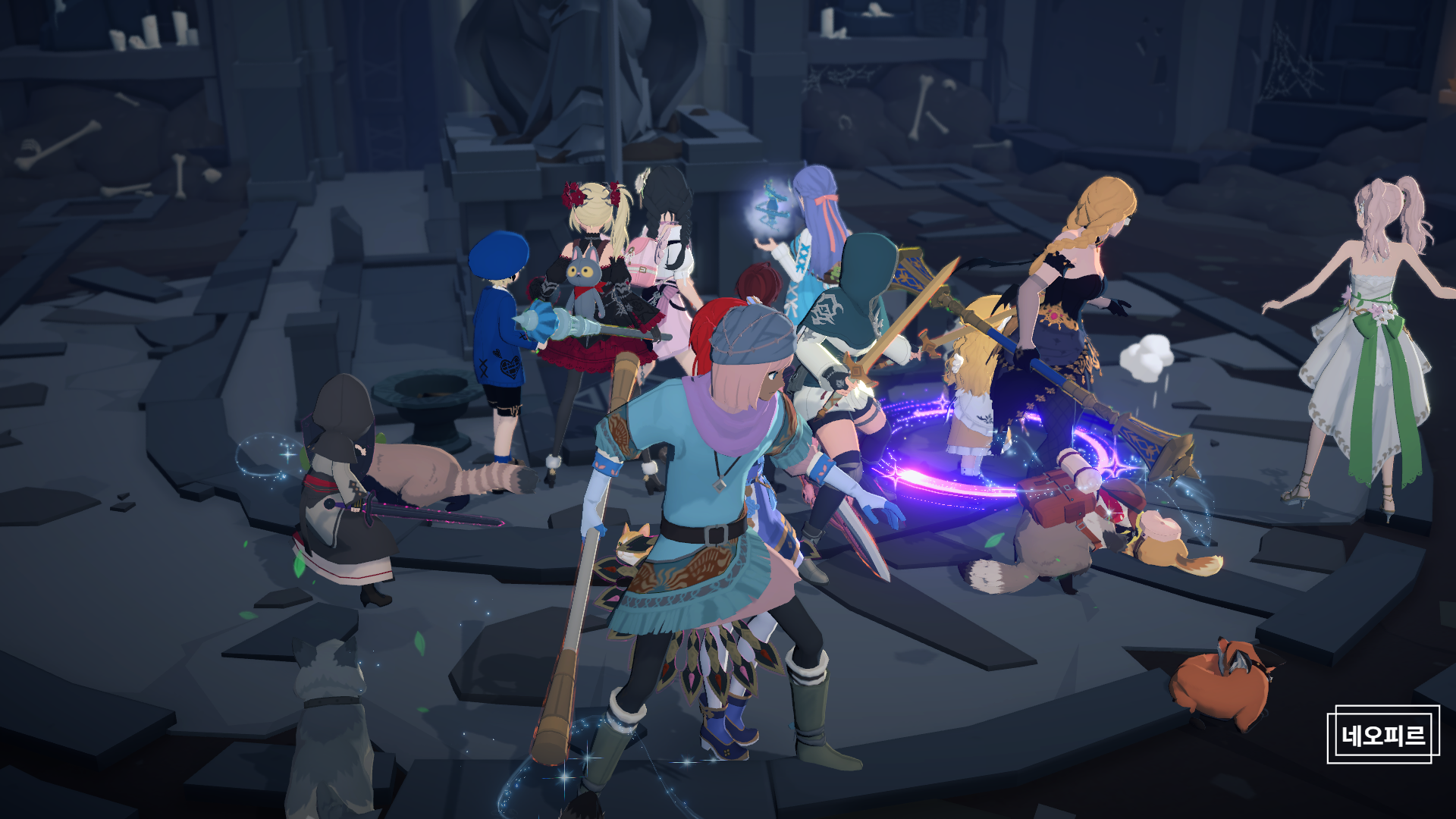
One community post described the frustration of helping a party leader who had requested assistance, only for that leader to leave without explanation after dying several times. This is only one person's account, so it cannot establish the other person's circumstances or who was responsible. Still, it illustrates why helpers may feel frustrated when they do not know whether someone intends to continue.
You do not need to feel intimidated just because it is your first attempt or you made a mistake. Simply let the party know whether you can continue, need a brief explanation, or have to leave because you are out of time. Once the dungeon you requested help with is complete, do not assume the same people will join you for another one.
Decide Together When to Revive or Stop
Raids limit revivals, so neither reviving immediately every time nor staying down indefinitely is always the right choice. Check how many revivals remain and how the run is progressing, then confirm what the party wants to do.
When you need to end a run, consult the others first. The official guide treats an individual departure differently from the party leader selecting “Give Up” after a party wipe. If everyone agrees to stop, follow the appropriate procedure for the situation.
3. Shared Party Play Checklist
The following etiquette guidelines apply to both games.
|
When |
What to Check |
What to Do |
|
When applying |
Party goals and experience requirements |
Check whether the party is for first-timers, practice, or experienced players, and be honest about your experience. |
|
When making plans |
Date and start time |
Confirm them in a chat everyone can access. |
|
Before entering |
Equipment, consumables, and roles |
Finish preparing and double-check your assignment. |
|
During combat |
Mechanics and party signals |
Watch the screen and chat even when using automated features. |
|
After a mistake |
The cause and next steps |
Explain what to do differently next time rather than assigning blame. |
|
When stopping |
Whether to retry or leave |
Decide together instead of disappearing without a word. |
|
After a clear |
Rewards and plans for afterward |
Handle rewards as agreed and ask again before moving on to more content. |
This checklist is useful for both players seeking their first boss party and party leaders handling recruitment. Just as members need to check the requirements, leaders need to explain them clearly.
Avoid assuming that someone who briefly stops moving is deliberately AFK, or judging their experience from a single mistake. Ask what is happening first. If a problem keeps recurring, be specific about what needs to change.
Conclusion
These party etiquette guidelines and cooperative play tips for MapleStory and Mabinogi Mobile share a central point: playing together takes more than handling every mechanic perfectly. Communicating your circumstances, fulfilling agreed roles, and being willing to solve problems together are just as important.
A brief check before entering can reduce unnecessary retries and heated arguments. The next time you join a party, confirm that everyone shares the same goal before pressing ready.