MapleStory Party Etiquette: Teamwork Tips Learned from the Black Mage
피스타임

|
This post was created as part of Nexon PEAK activities. |
Hello!
I'm 피스타임, a Nexon PEAK creator.

In MapleStory, you may find yourself forming a party to take on a boss. When I do, I place particular importance on learning the boss mechanics in advance and showing up on time. Knowing the mechanics helps the fight go smoothly, while being punctual keeps other party members from wasting time waiting.

I learned the importance of both when I formed a 6-person party to take on the Black Mage and work toward liberating my Genesis weapon. Our first clear was a rewarding moment, but the months we spent playing together also brought some disappointments.
Today, I'll draw on that experience to share some party play etiquette and cooperative play tips for MapleStory bosses.
|
Contents |
|---|
|
1. Why Take On Bosses as a Party in MapleStory? |
|
2. Study Boss Mechanics in Advance |
|
3. Always Show Up on Time |
|
4. A Checklist Before Forming a Party |
1. Why Take On Bosses as a Party in MapleStory?
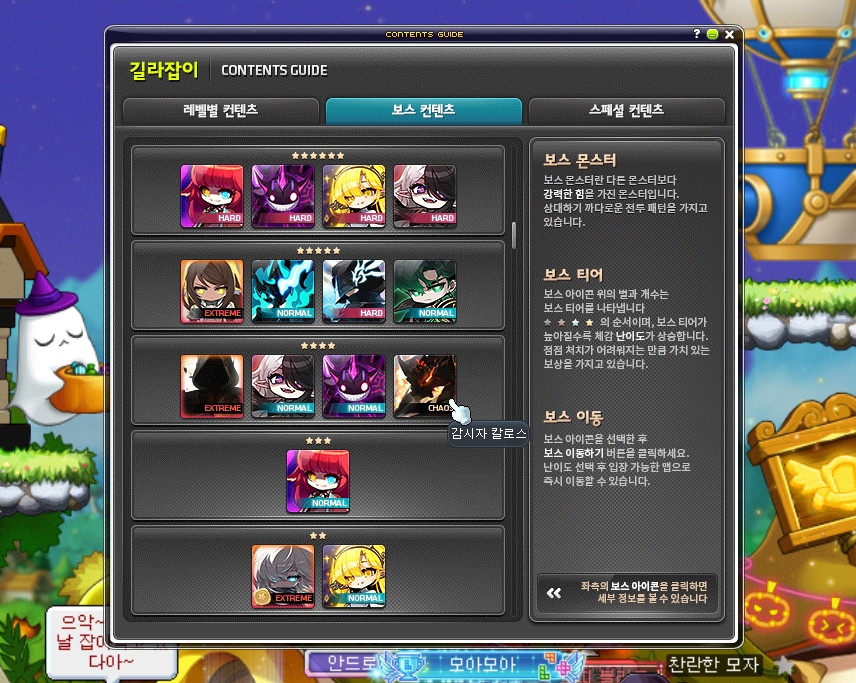
In MapleStory, players usually form parties to tackle higher-tier bosses. Party bossing is worth considering when a boss is difficult to defeat alone but manageable as a group, and the benefits make the challenge worthwhile even after splitting the rewards.
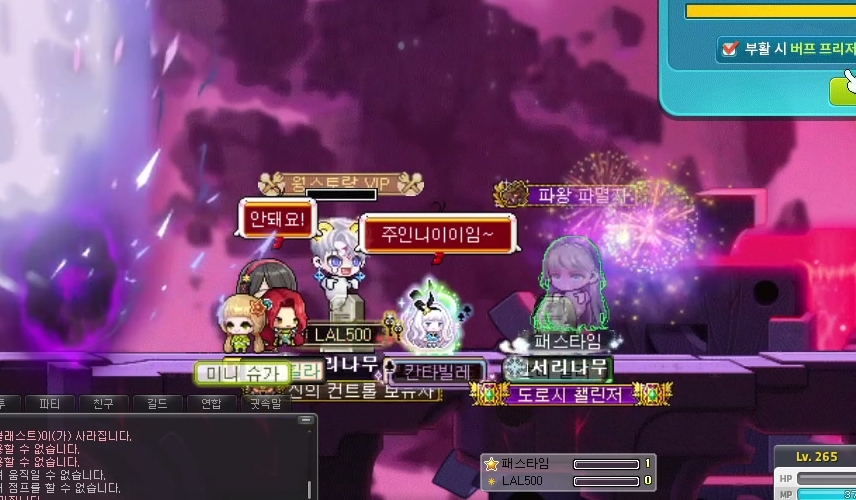
Beyond the rewards, there is also the satisfaction of defeating a difficult boss for the first time after practicing together. I think this is a good fit for anyone seeking a different sense of achievement from solo attempts or looking to work toward a shared goal with friends.
However, party bossing often involves more than a single clear. Weekly bosses bring you together every week, while bosses such as the Black Mage are tackled monthly. That makes a compatible schedule and a commitment to consistent participation just as important as combat skills.
2. Study Boss Mechanics in Advance

If you are attempting a boss for the first time, review its main mechanics and survival strategies through video or written guides beforehand. Of course, watching a guide does not mean you will handle every mechanic perfectly. A fight may seem straightforward in a video, but you can still get flustered and make mistakes once you enter, or struggle to move as planned when several mechanics overlap.
Still, knowing which attacks are dangerous and how to respond in specific situations makes practicing together much easier. It also helps you follow explanations by recognizing the part of the fight being discussed. Once you have reviewed a guide, you will need to get familiar with the fight by attempting it with your party.
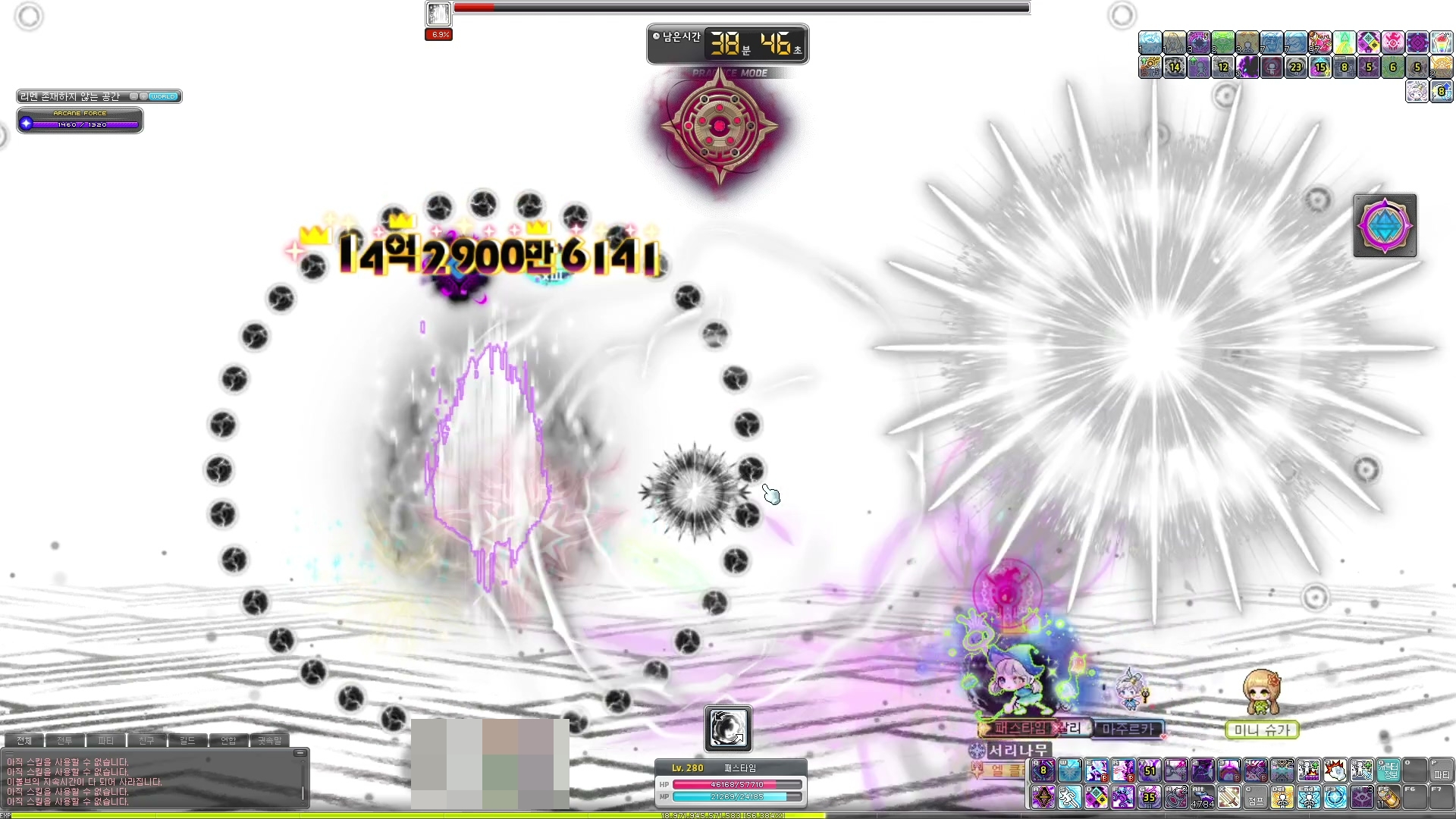
My friends and I had our share of difficulties before our first Black Mage clear. The fight was harder back then than it is now, and he was not an easy boss to defeat. After all the effort every party member put in, finally defeating him for the first time was a genuinely happy moment.
3. Always Show Up on Time
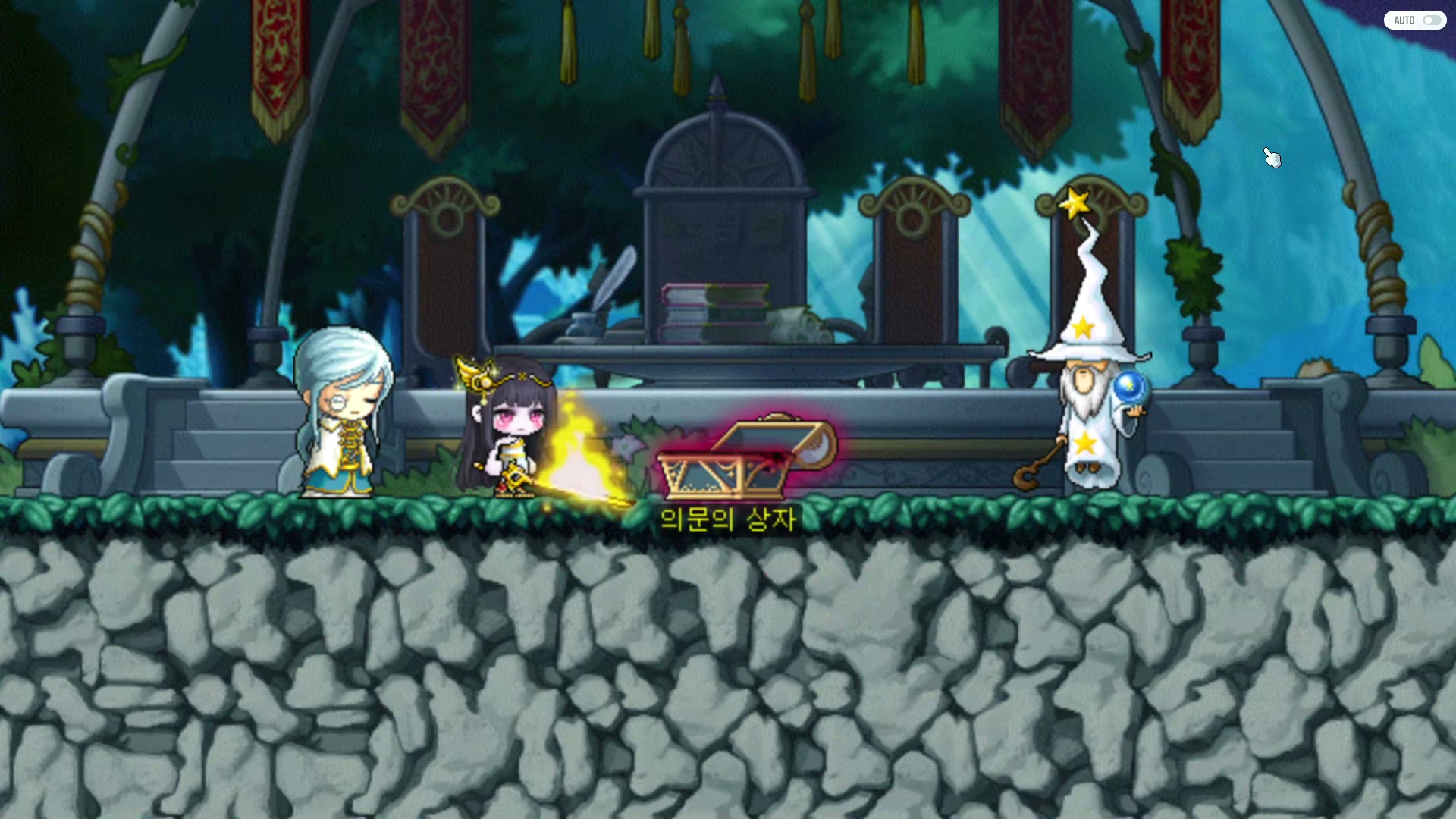
A first clear, however, does not mean the process is over. When I was working toward liberation, I had to defeat the Black Mage and complete quests over 8 months to liberate my Genesis weapon. The process was different from what it is now, so coordinating a long-term schedule with the party was important.

Everyone participated consistently at first, but after about four or five months, one party member stopped showing up on time. They would log in 20 minutes after the agreed time and were slow to check messages, leaving everyone else waiting.
When one member of a 6-person party is 20 minutes late, the other five spend a combined 100 minutes waiting. It may seem like a short delay to the person who is late, but everyone else has adjusted their own schedule to be there. That is important to remember.
Of course, unexpected commitments can make you late or prevent you from attending. Letting the others know as soon as possible gives them a chance to adjust their schedules or consider alternatives. In my view, leaving them waiting without any notice is a different matter.

In the final month, when we were due to complete liberation, that party member did not show up at all. Fortunately, the rest of us had grown much stronger by then, so we were able to clear the boss without much difficulty as a group of five.
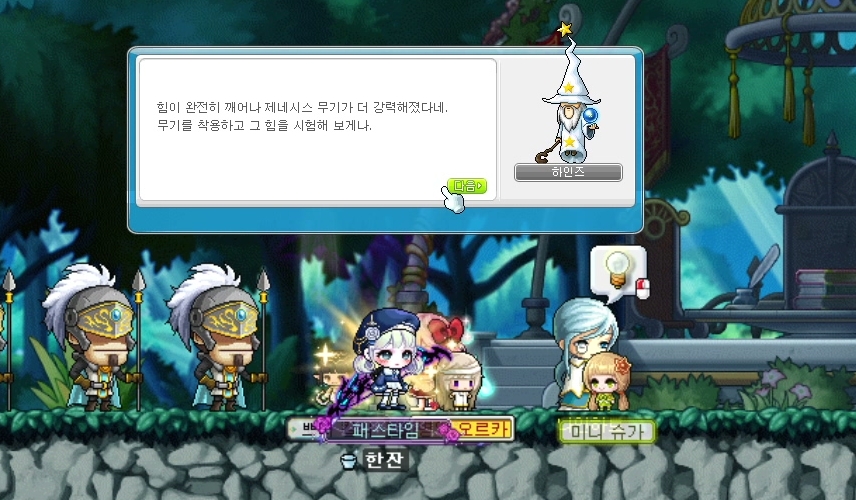
I was happy to have completed liberation, but I was also disappointed that the six of us who had started together could not finish together.
That experience made punctuality in party play especially important to me. Even if you know someone through a game, they have set aside time for your plans together, just as someone you meet in person would.
4. A Checklist Before Forming a Party
|
What to Check |
What to Do |
|---|---|
|
Knowledge of boss mechanics |
Review the main mechanics and survival strategies using video or written guides |
|
Experience level |
Let the party know in advance if this is your first attempt or if you need more practice with any part of the fight |
|
Availability |
Confirm which days and times you can attend regularly |
|
Readiness to enter |
Log in and finish preparing so you can start at the agreed time |
|
Communication about changes |
Let others know as soon as possible if you expect to be late or absent |
|
Basic etiquette |
Discuss what to improve for the next attempt rather than criticizing mistakes |
|
Reward distribution |
Agree on which rewards will be shared and how before starting |
Use this checklist when forming a boss party. If you are practicing together for the first time, it is especially helpful to agree that failed attempts are part of the process. When someone makes a mistake, discussing what they found difficult rather than simply assigning blame will help the party improve on its next attempt.
If your party is already comfortable clearing the boss, do not let familiarity become a reason to neglect preparation or punctuality. Even when you defeat a boss regularly, you are still coordinating your time with other people.
Party play in MapleStory offers the satisfaction of overcoming bosses that are difficult to defeat alone and achieving goals together.
To keep that shared experience enjoyable from start to finish, everyone needs to make an effort to learn the mechanics and respect each other's time. Paying attention to basic gaming etiquette helps ensure that every party member is happy to make plans for the next attempt.