MapleStory Wealth-Building Tips: How I Save Up In-Game Currency
피스타임

|
This post was created as part of Nexon PEAK activities. |
Hello!
I'm 피스타임, a Nexon PEAK creator.

There are several ways to build up in-game currency in MapleStory. My approach is Maple investing: buying limited-time collaboration items and selling them after their prices rise. Once sales end, these items are unlikely to return, leaving a fixed supply. Meanwhile, fans of the original IP join the pool of buyers, increasing demand over time.
Today, I'll explain the basics of Maple investing, look at where it can go wrong, and share why I recommend collaboration items.
|
Contents |
|---|
|
1. What Is Maple Investing? How Scarcity Drives Prices |
|
2. Why I Recommend Collaboration Items for Maple Investing |
|
3. Why I'm Watching the Next Collaboration: Blue Archive |
1. What Is Maple Investing? How Scarcity Drives Prices
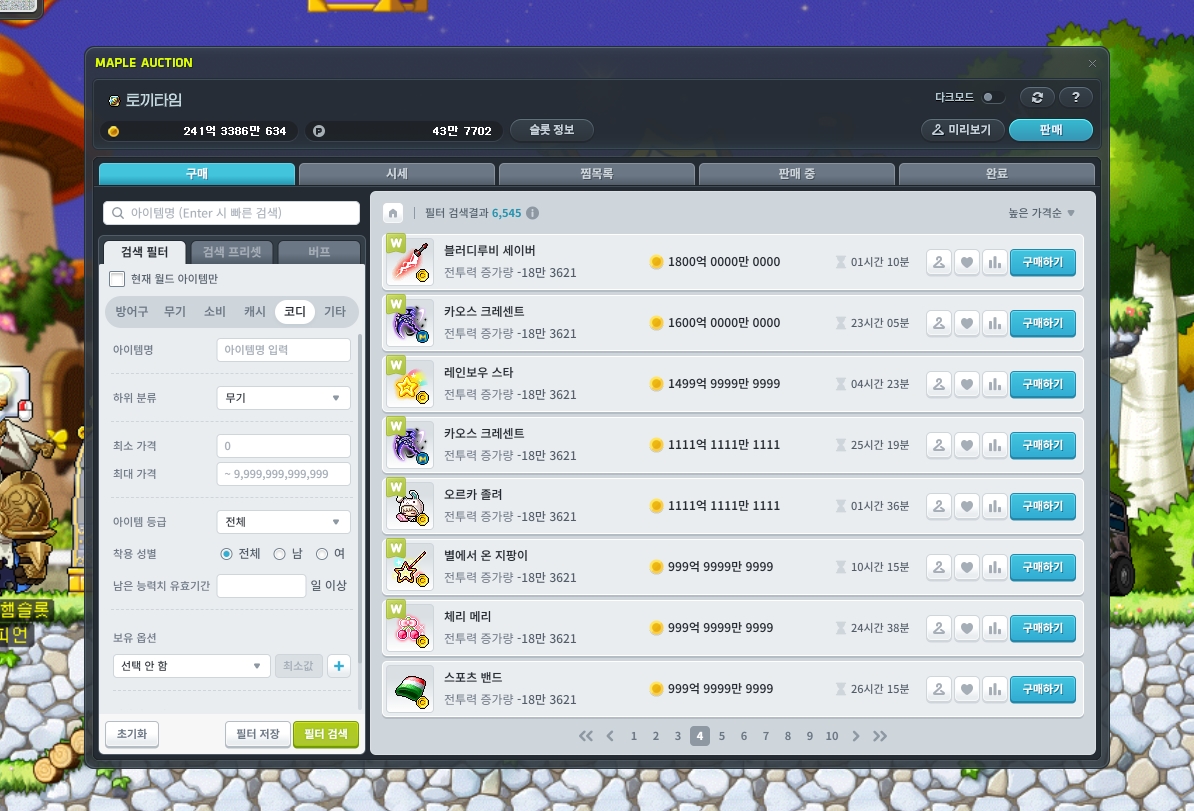
Maple investing, or “메테크,” combines the Korean words for “Maple” and “financial investing.” It generally means buying limited-time cosmetic items, then reselling them once sales end and prices rise.
The principle is simple. Once an item is no longer being produced, fewer listings appear over time, and its price rises as long as people still want it. The same market principles that make scarcity a source of value in the real world also apply in MapleStory.
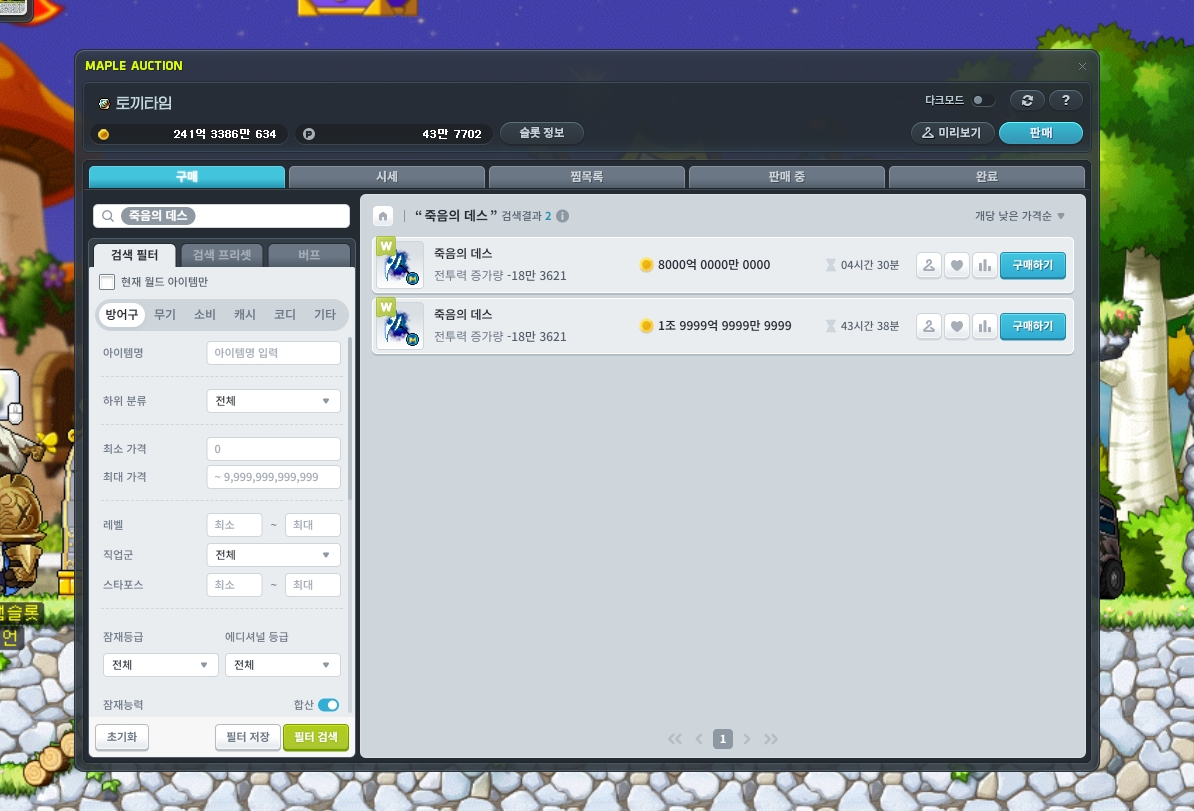
A prime example is the cosmetic weapon 죽음의 데스. Even finding a listing in the Auction House is difficult. Its price is so high that it effectively never sells.
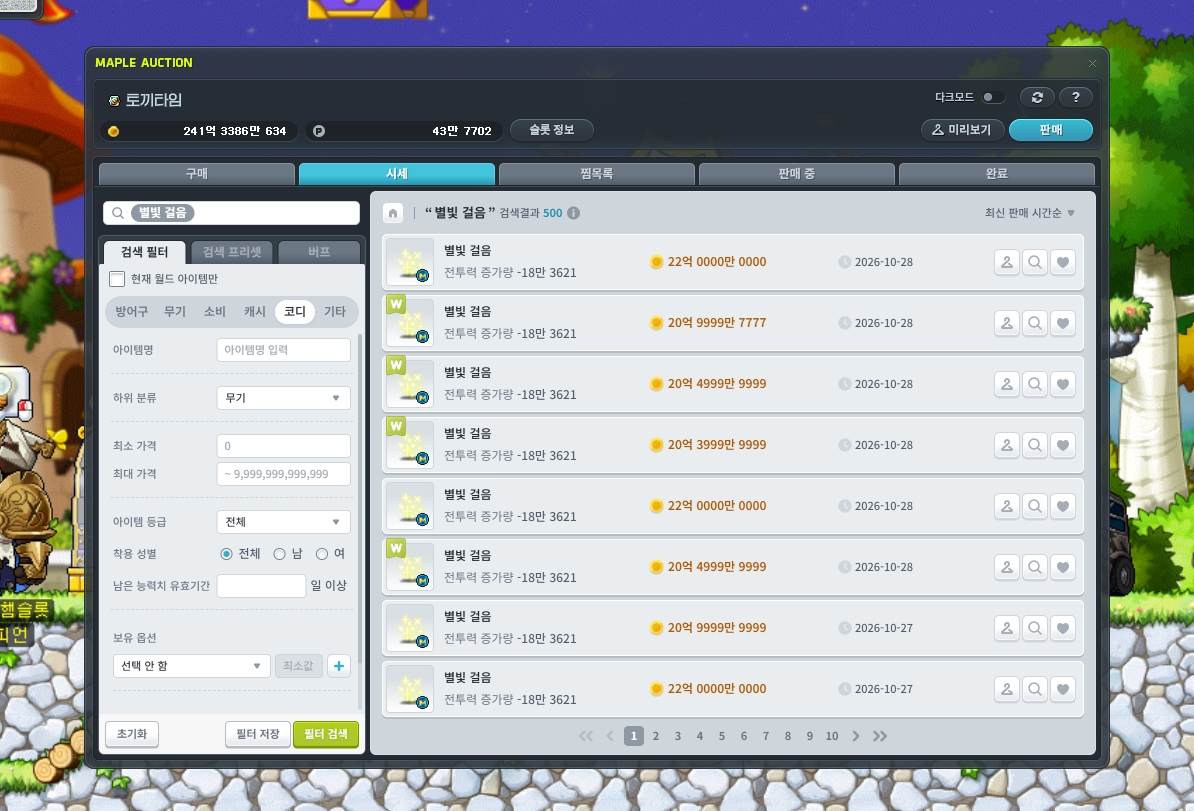
However, an attractive, popular item isn't guaranteed to rise in price. A notable example is 별빛걸음.

별빛걸음 is the shoe item from the 11th Master Label set, “마스터 별의 전령.” It was the first Master Label item to feature a floating effect, and its transparent design made it a good match for any outfit.
At release, many players bought and held onto 별빛걸음, expecting its price to rise significantly. The problem was that everyone had the same idea. Players stockpiled large quantities, and many more cosmetic items with floating effects were later released. As a result, its price didn't rise as much as expected.
An item everyone finds attractive is also an item everyone holds onto. That's why Maple investing means considering supply and alternatives alongside popularity.
2. Why I Recommend Collaboration Items for Maple Investing

With that in mind, I recommend focusing on collaboration items. Over the past few years, MapleStory has collaborated with major IPs such as Demon Slayer: Kimetsu no Yaiba, Frieren: Beyond Journey's End, and Catch! Teenieping. Most collaboration items have risen significantly in price after their sales ended.
|
Collaboration |
Featured Item |
Current Market Price |
|---|---|---|
|
Demon Slayer: Kimetsu no Yaiba |
Collaboration-exclusive magnet pets |
23 billion or more as of October 2026 |
|
Frieren: Beyond Journey's End |
Collaboration-exclusive magnet pets |
35 billion or more as of October 2026 |
Collaboration items perform well for two reasons. First, once the sales period ends, it's difficult to obtain the same items again. Fans of the original IP also join the pool of buyers, creating demand beyond what MapleStory's own player base would generate.
There's an interesting detail here, though. The Demon Slayer: Kimetsu no Yaiba collaboration took place in 2024, and the series is more popular in Korea than Frieren: Beyond Journey's End. Yet its magnet pets are cheaper.
Greater popularity means greater demand, but it also means more items are held for resale. Ultimately, prices depend less on popularity itself than on the supply available relative to demand.
In fact, among the Demon Slayer: Kimetsu no Yaiba magnet pets, Petite Nezuko was more expensive than Tanjiro and Zenitsu at release, but now sells for the lowest price.
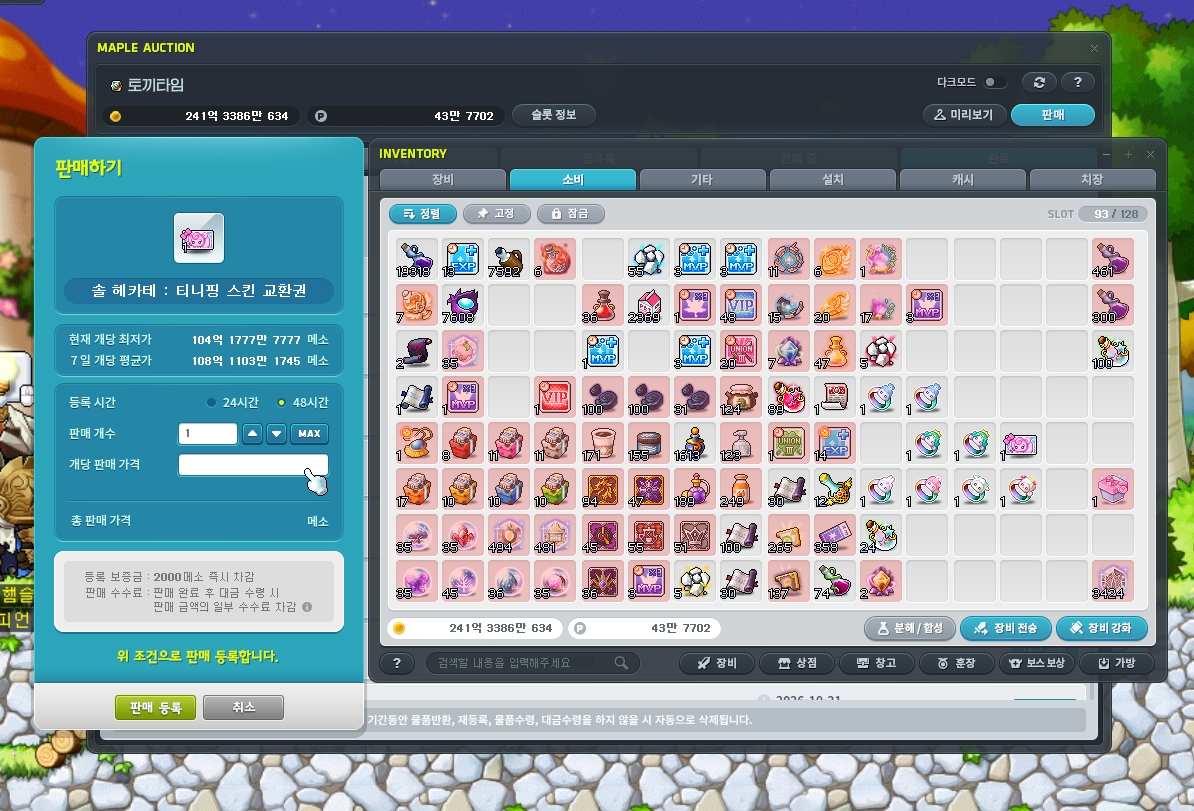
During the Catch! Teenieping collaboration, I bought a Sol Hecate Teenieping Skin Coupon to hold onto. The coupon cost 5 billion mesos during the event and has since risen to 10 billion mesos, making it a successful Maple investment.
By contrast, the Illusion Ring from the same collaboration didn't rise much in price. From what I've observed, items with a higher starting price tend to see larger increases. I suspect their smaller overall supply is part of the reason.
Based on my experience so far, here's what I check before buying collaboration items.
|
What to Check |
Why It Matters |
|---|---|
|
Is there a fixed sales period? |
Sales must end before supply becomes fixed and scarcity develops |
|
Does the original IP have a strong fan base? |
The pool of buyers expands to include fans outside MapleStory |
|
Does the item already have a high value? |
High-demand items with high starting prices, such as magnet pets, tend to see larger price increases |
|
Are alternatives unlikely to become readily available? |
If more similar items become available, prices may stagnate, as with 별빛걸음 |
3. Why I'm Watching the Next Collaboration: Blue Archive

MapleStory's next collaboration is with Blue Archive. The official “메이플 나우” livestream on September 10 announced that the collaboration would begin on November 19, 2026. It's attracting even more attention because it coincides with the 5th anniversary of Blue Archive's Korean launch.
As of October 28, the full lineup of collaboration items has not yet been revealed. Based on past collaborations, however, I expect magnet pets and a variety of cosmetic items this time as well.
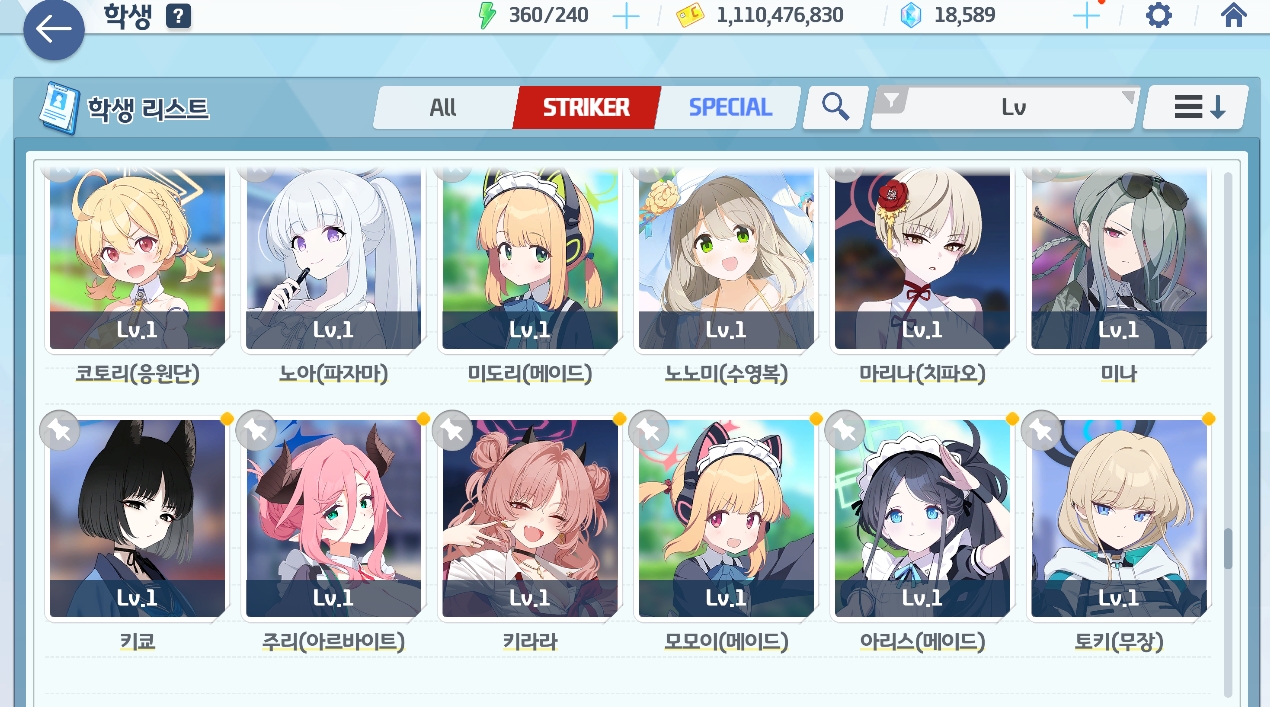
Blue Archive features a wide range of distinctive, appealing female characters and has a strong fan base of its own. For its 4th anniversary festival in November 2025, all 14,000 tickets sold out within 10 minutes of going on sale. With potential demand from both MapleStory players and fans of the original game, I think its items are well suited to a buy-and-hold approach.
Of course, plenty of people will likely have the same idea and hold onto collaboration items. That could leave a large supply, as it did with 별빛걸음. Still, considering that collaboration items have yet to fail as investments, there's good reason to look forward to this collaboration too.
For me, the key to Maple investing isn't simply buying attractive items. It's finding items that are difficult to obtain again and have steady demand. In that respect, major IP collaboration items have been the most reliable option so far.
I recommend Maple investing to players who have spare mesos from sources such as boss earnings and can wait at least a few months. If you need mesos to strengthen your character right away, however, it's better to invest in progression first.

When the Blue Archive collaboration begins on November 19, I plan to look at the magnet pets and cosmetic items first. Blue Archive is a game I've enjoyed for a long time and grown fond of, and its items also seem to have solid potential as Maple investments. Will my next Maple investment be another success?