Mabinogi Mobile Scarecrow Guide: From Skill Rotations to Damage Testing
곤류

This post was created as part of Nexon PEAK activities.

To improve your combat skills in Mabinogi Mobile,
managing your skills is just as important as choosing your gear and setting up your runes.
Your skill order and resource management can make a difference to the outcome.
The game also provides practice targets where you can develop a damage rotation that suits you
and check your damage output.
This guide covers the training dummies at Tir Chonaill School,
along with the scarecrow crew member and punching ball on guild ships,
and explains how I used them to develop a damage rotation for my Musician alt.
📋 Practice Targets at a Glance
|
Practice Target |
Main Use |
Features |
|
Tir Chonaill Training Dummies |
Checking skill range |
Lets you hit multiple targets at once |
|
Ship Scarecrow Crew Member |
Practicing damage rotations |
Lets you practice skills without Break interruptions |
|
Ship Punching Ball |
Checking maximum damage |
Displays your highest damage value |
All three targets are useful for combat practice, but each has different features and uses.
Choose a target based on the skills you want to practice and what you want to test.
🎯 Testing Skill Range: Tir Chonaill Training Dummies
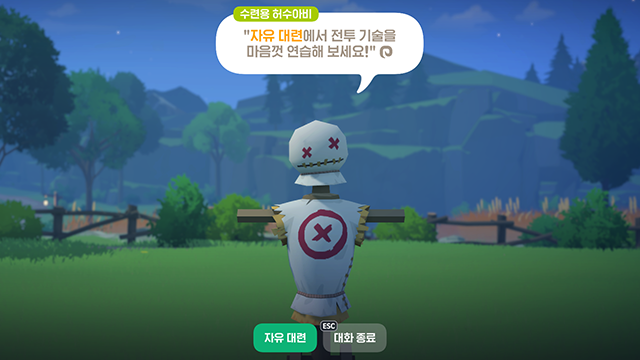
There are 6 training dummies at Tir Chonaill School.
Interact with the training dummy in front of the NPC Ranald,
then select 'Free Sparring' to begin combat practice.
Only one dummy is interactive,
so you do not need to worry about selecting the wrong one.
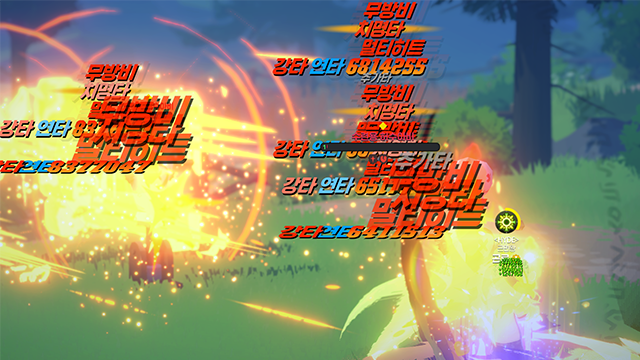
When you enter Free Sparring, 6 training dummies appear.
Your skills can target all of them,
making this a good place to test the range of AoE skills that hit multiple targets at once.
You can check how far your skills reach
and how wide an area they cover against multiple enemies.
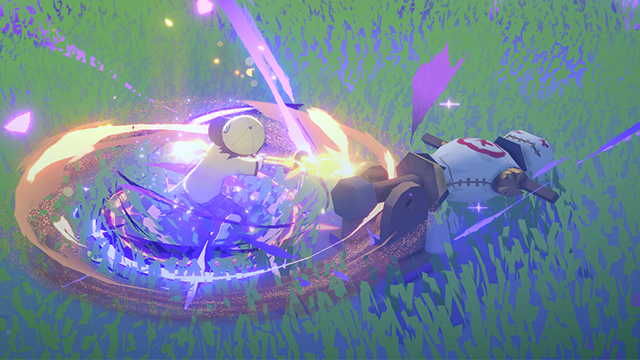
However, these dummies are less useful for developing a damage rotation or measuring realistic combat damage.
Their small Break gauges mean they fall over easily under sustained attacks,
and damage tends to be higher than in actual combat, possibly because their defense is low.
If Break interrupts your class's skill sequence, it can be difficult to assess your damage rotation accurately.
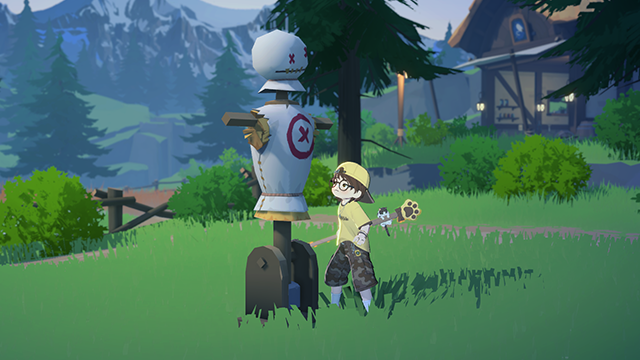
The Tir Chonaill training dummies are therefore better suited to checking skill ranges
and getting a basic feel for your skills than to refining a damage rotation.
🚢 Practicing Without Break: The Ship Scarecrow Crew Member
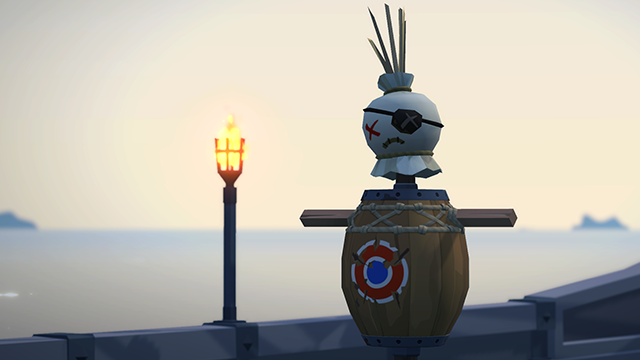
The scarecrow crew member on a guild ship is a good target for practicing damage rotations.
You can find it aboard a guild ship that has reached construction stage 1.
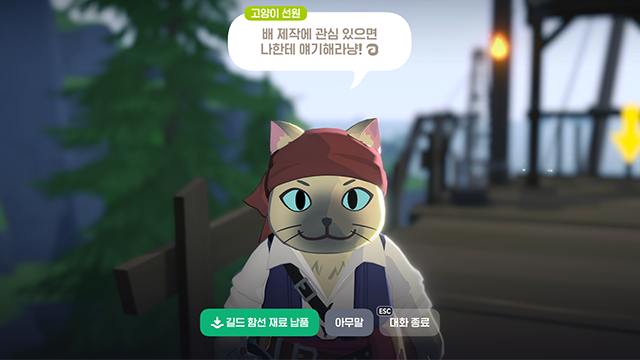
Guild members build guild ships by gathering materials together.
Getting access may be difficult if your guild does not have one,
but you can also board other guilds' ships.
Asking a guild that owns a ship for help is another way to use these practice targets.
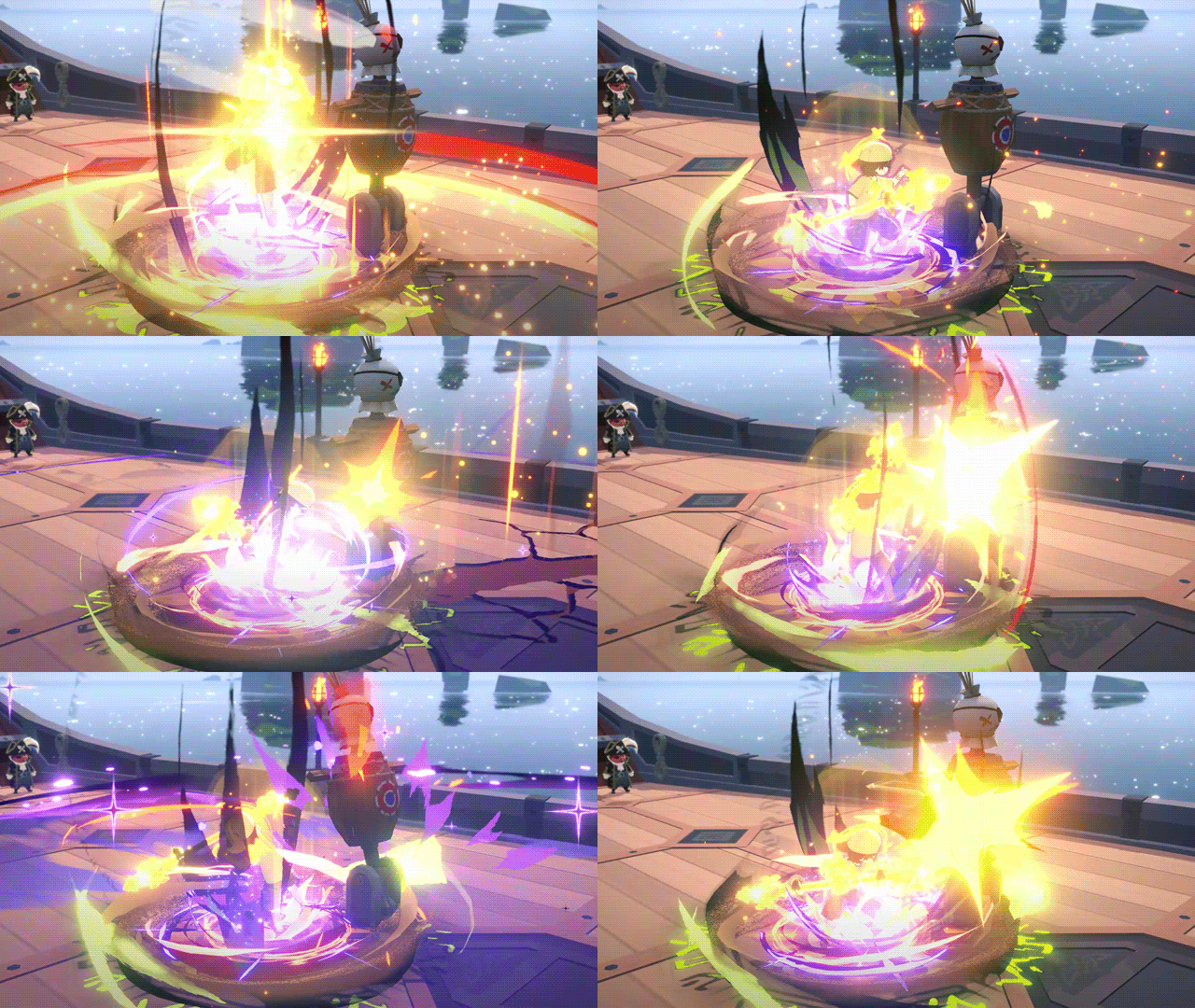
The scarecrow crew member's main advantage
is that it has no Break gauge and cannot be Broken.
In Tir Chonaill, dummies frequently fall over, which can interrupt your skill sequence.
Aboard a ship, you can repeat your damage rotation without this disruption.
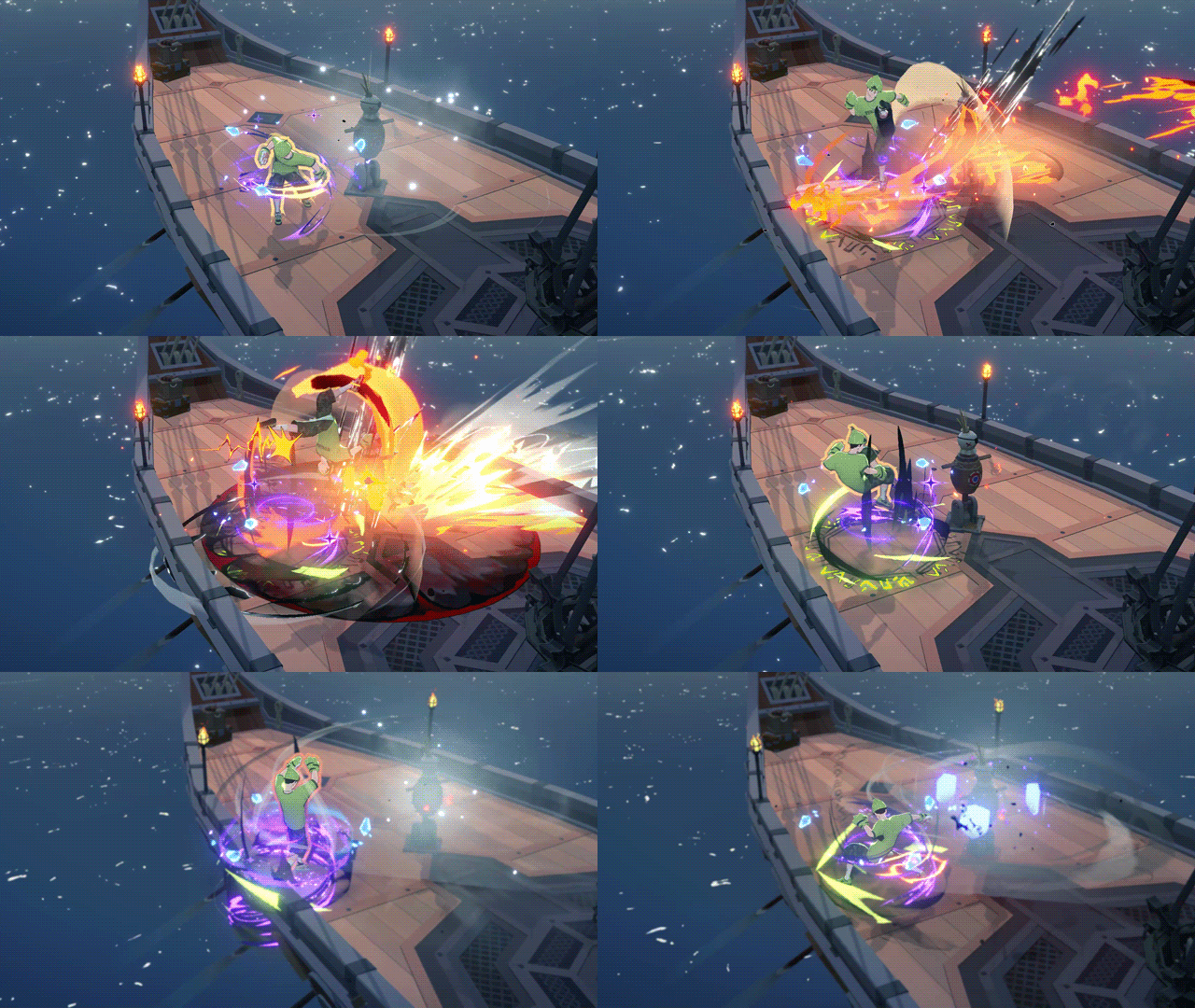
The confined space inside the ship is another advantage.
Classes with movement skills or skills that send them traveling long distances
can test them without worrying about moving out into a wide-open area.
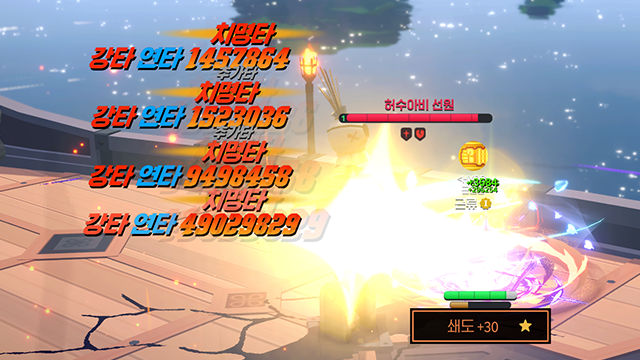
Damage tends to be lower than in Tir Chonaill,
making this target useful for getting readings closer to those in actual combat.
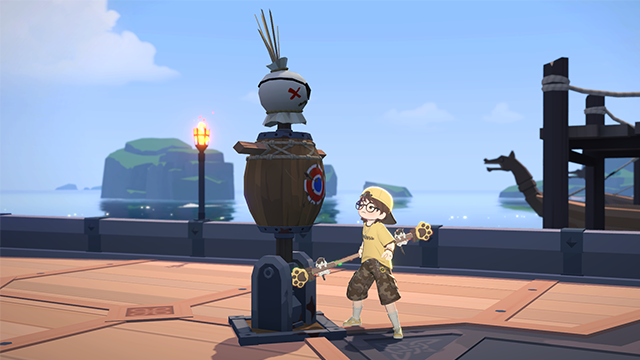
If you want to work out your skill order
or learn how to manage your class's resources,
try practicing on the ship's scarecrow crew member.
👊 How High Is Your Damage? The Ship Punching Ball
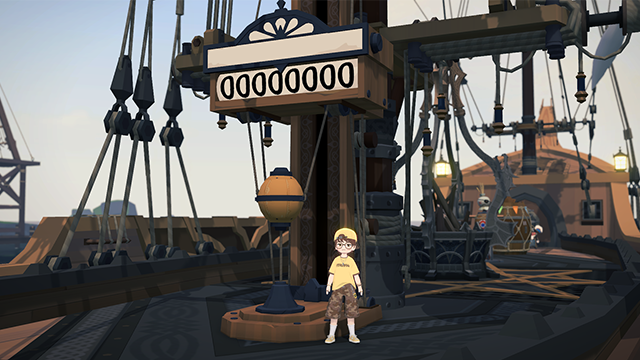
The punching ball is an object found on stage 3 guild ships.
As the name suggests, you hit it to record your damage,
and it displays the highest damage value you have dealt.
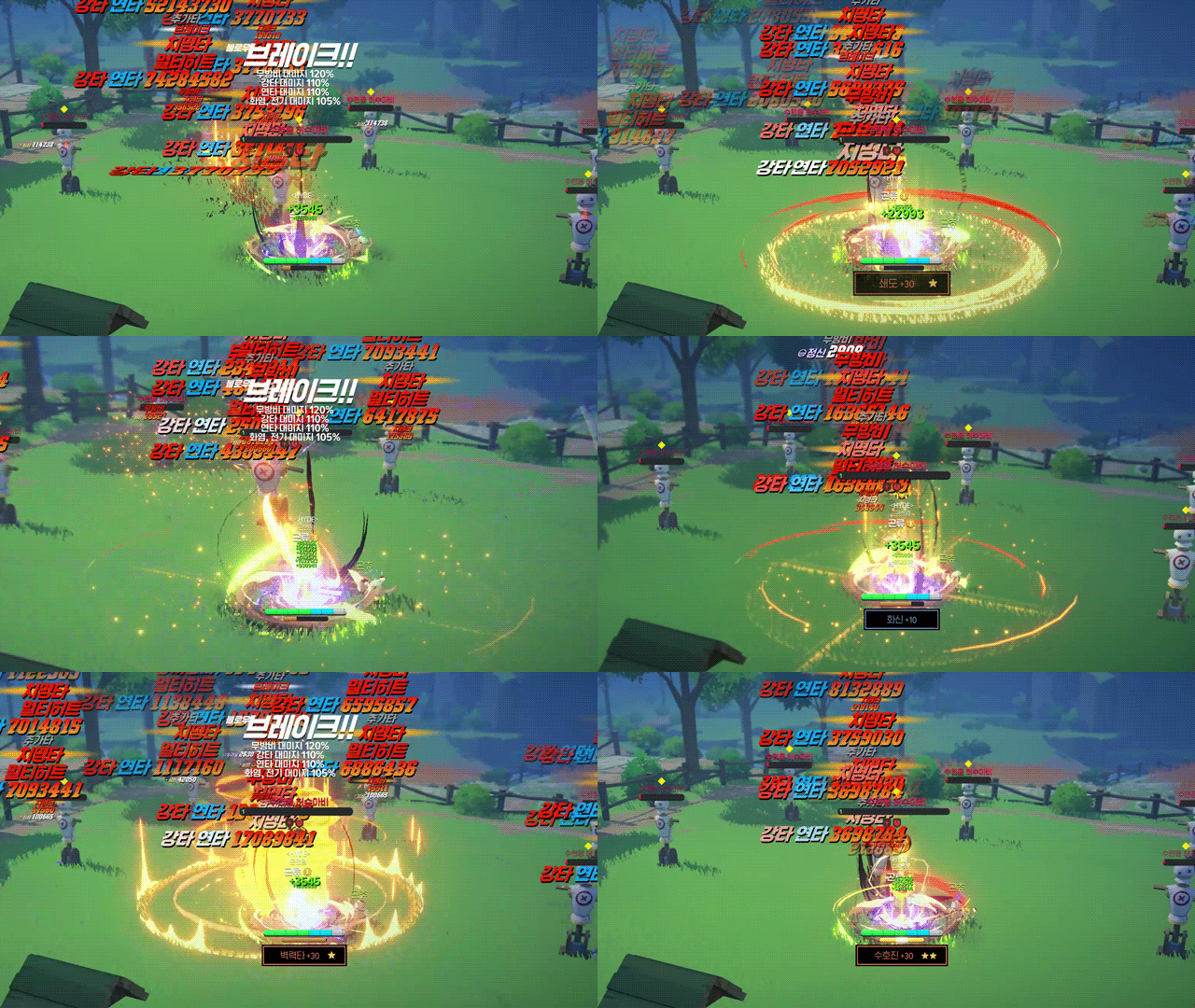
Classes that use multi-hit or AoE skills
often fill the screen with damage numbers,
making the exact values difficult to read.
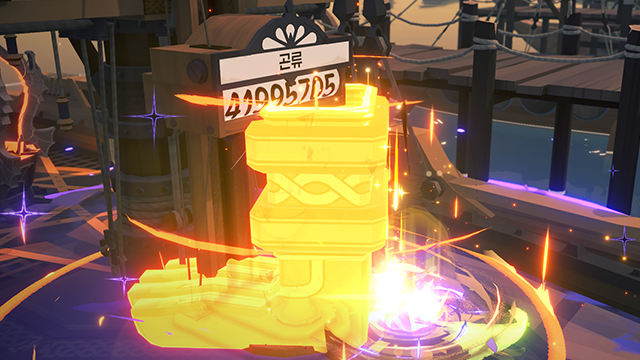
The punching ball saves you from searching
through all those damage numbers for the highest value,
making it a useful way to check your peak damage while testing skills.
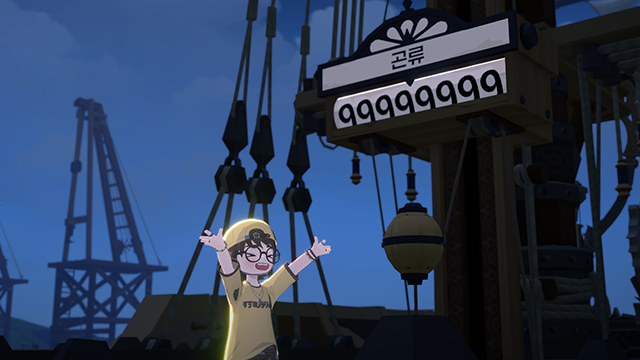
Keep in mind that you need a guild ship built up to stage 3 to use the punching ball.
Its display is also limited to 8 digits, so it cannot measure damage of 100 million or more.
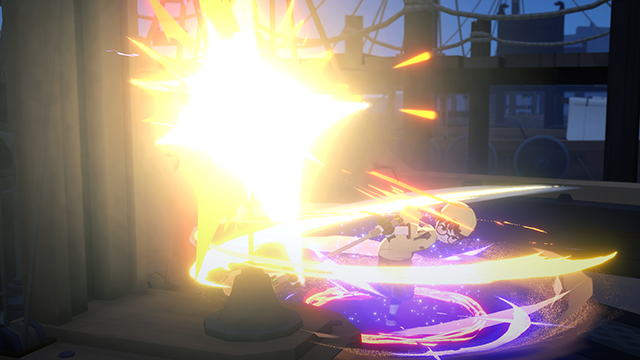
Rather than using it to practice the rotation itself, use it to check
how much your peak damage changes when you switch skills or rune combinations.
🎵 Developing My Musician Damage Rotation
My main reason for using practice targets was to develop my own damage rotation.
They were especially helpful while I was building my Musician alt.
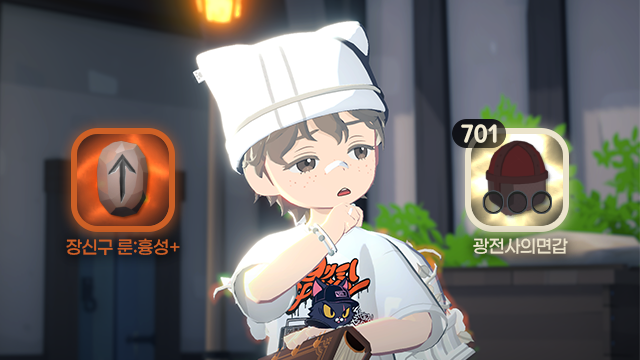
At the time, I wanted to try an accessory rune combination that other players rarely used,
and my Unique items also meant I used skills at a different speed.
I could not simply copy someone else's damage rotation,
so I had to find an approach that suited my own setup.
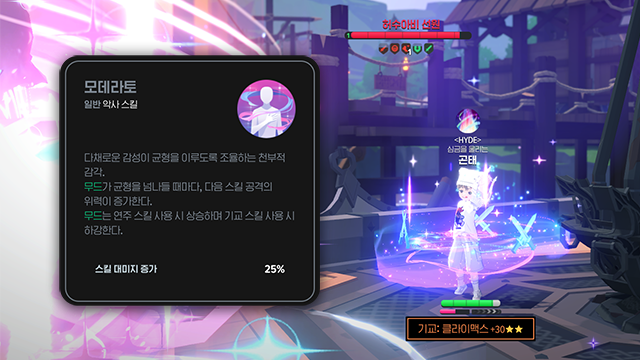
Managing a resource called Mood is important for Musicians.
Whenever Mood rises above or falls below 50, skills are enhanced and cooldowns are reduced.
This means your skill sequence depends on which skills you use first and when you weave in basic attacks.
I had to choose a skill order that accounted for how I built up and spent Mood,
so developing the rotation took quite some time.
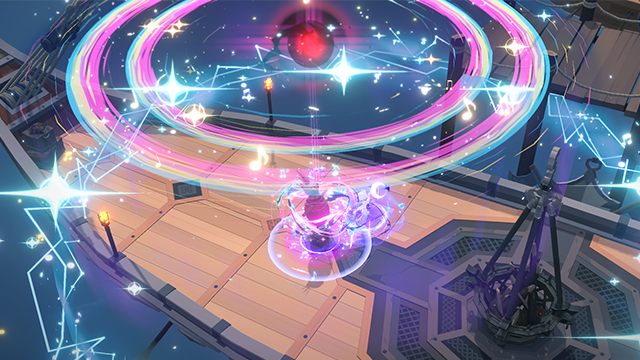
This is where the ship's scarecrow crew member proved useful.
I attacked it repeatedly, changing my skill order and adjusting when I wove in basic attacks.
Building a rotation around your setup and then checking its damage on the punching ball
makes it easier to compare rune combinations and approaches to skill management.
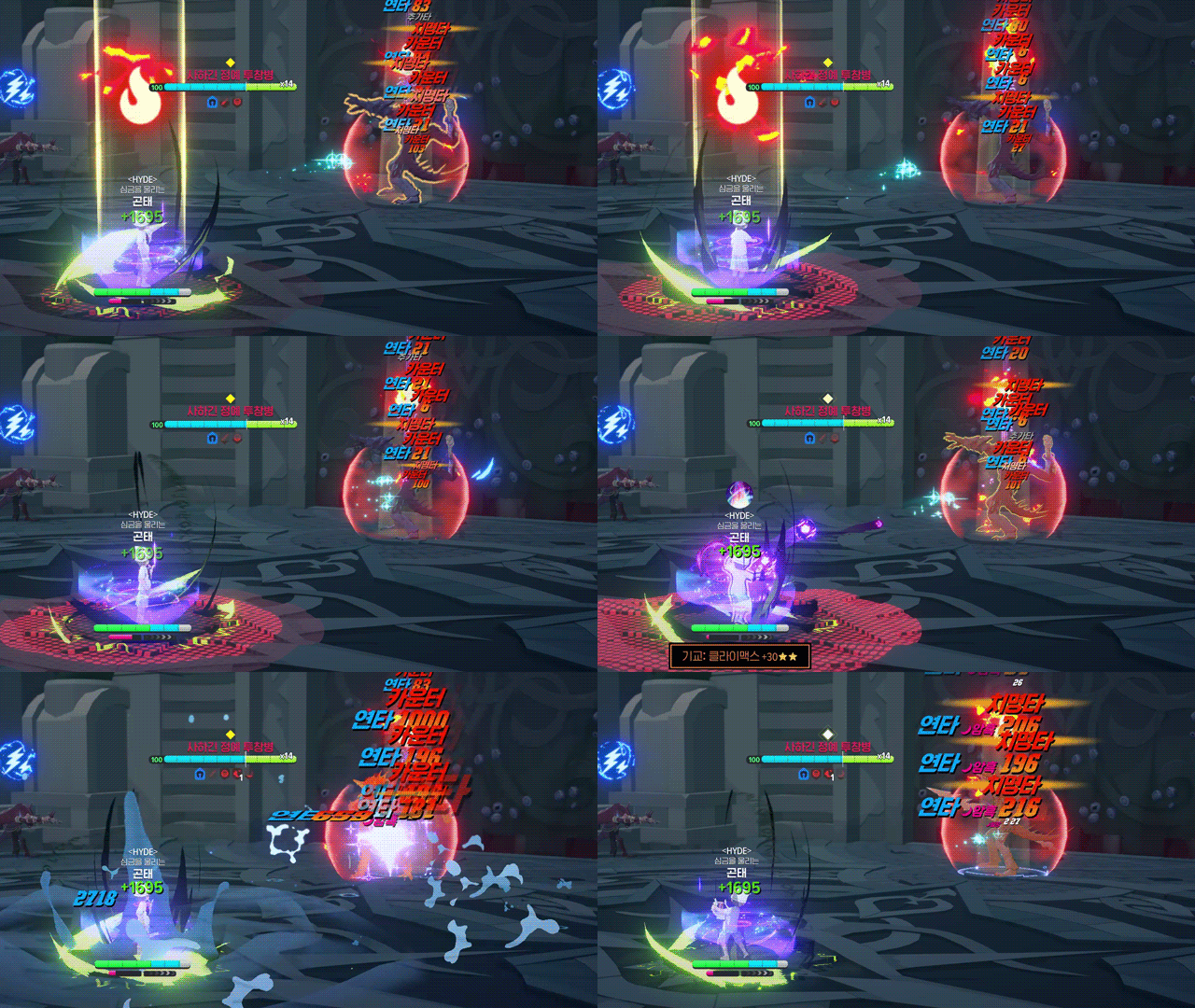
Of course, the rotation I developed in practice did not translate directly to actual combat.
Musicians are a ranged class, and their basic attacks count as projectiles,
so there is a delay between starting an attack and the hit landing.
I practiced on the ship's scarecrow from right next to the target,
but in actual combat, I was farther from monsters, which changed when my basic attacks landed.
As a result, I had to adjust both the number of basic attacks I used and the timing of follow-up skills.
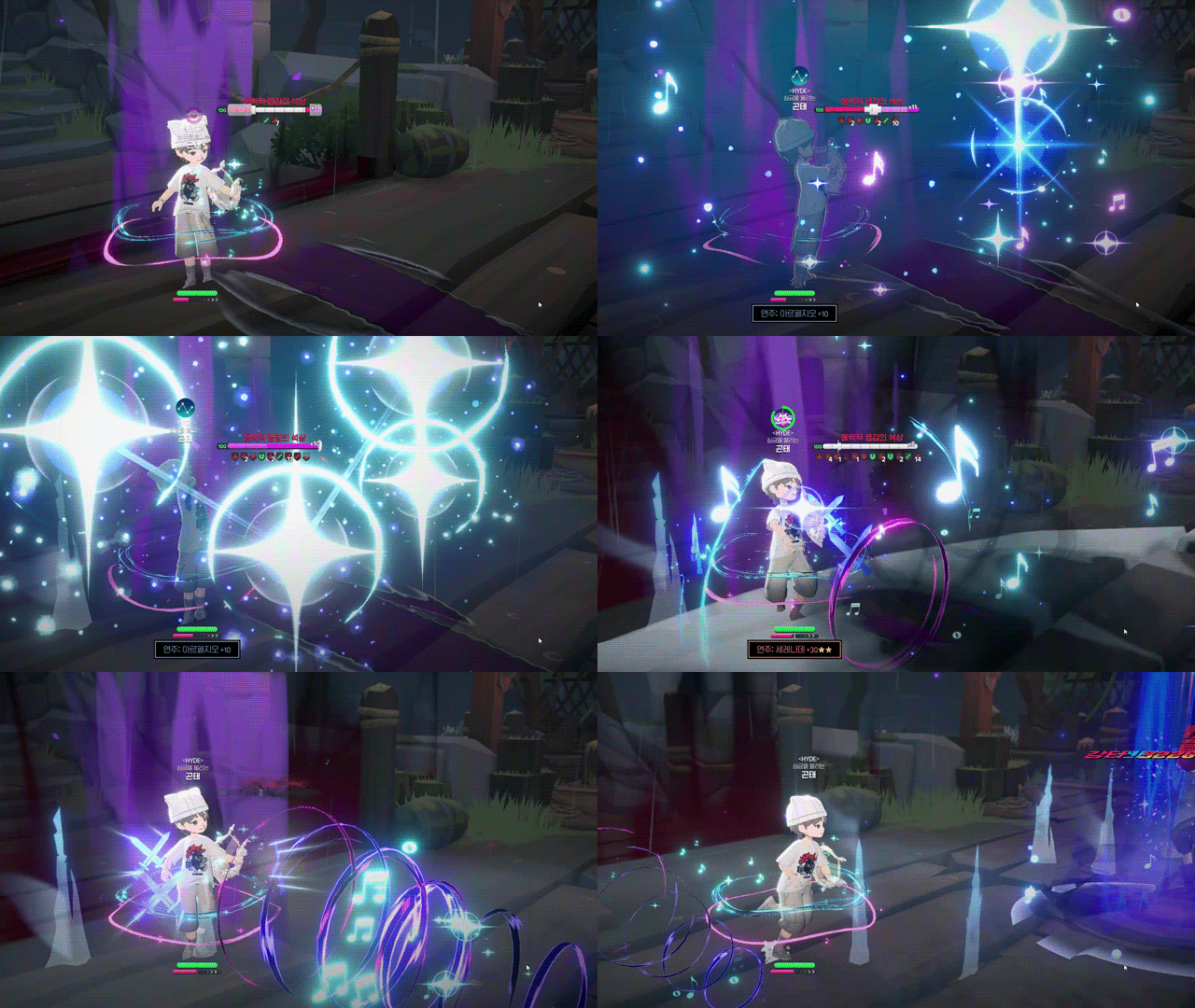
The skill Performance: Serenade introduced another variable.
It ends automatically when the monster dies,
so using it against actual monsters differed from practicing on a dummy,
both in how I managed the skill and how much of my resource I had left.
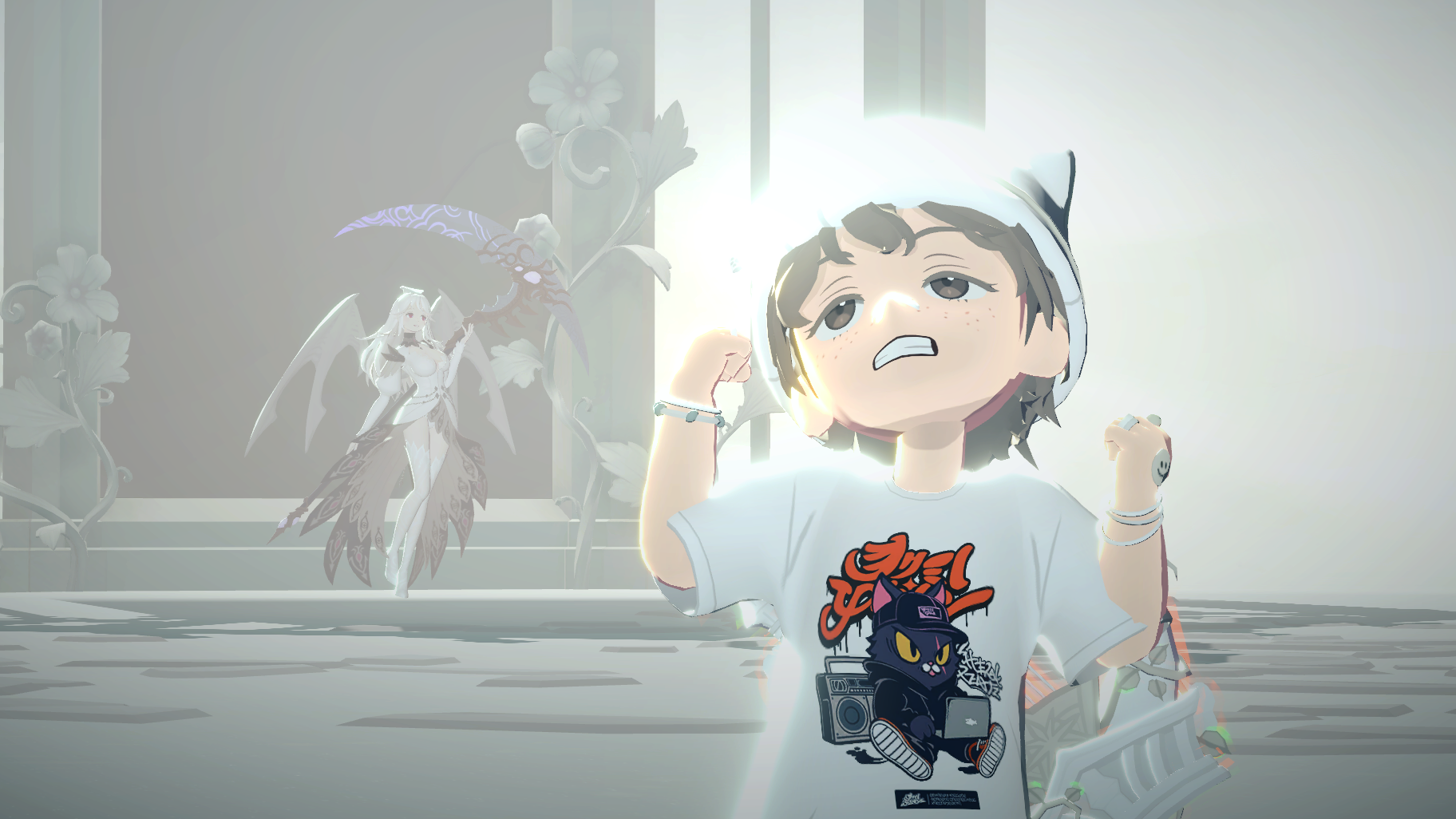
Ultimately, refining a damage rotation in practice was only part of the process.
After learning the skill order and resource management on a dummy,
I still had to account for monsters' positions and whether they were still alive during actual combat.
✨ Closing Thoughts: Practice Pays Off
Each practice target in Mabinogi Mobile serves a different purpose.
Use the Tir Chonaill training dummies to check skill ranges
and the ship's scarecrow crew member to develop damage rotations without worrying about Break.
The punching ball is useful for comparing peak damage across skills and rune combinations.
Practicing my Musician's damage rotation on the ship's scarecrow
helped me find an approach that suited my equipment and rune setup.
However, I still needed to test and adjust that rotation in actual combat.
If you want to improve your combat skills, manual combat rather than Assist Mode is key.
Training dummies are a useful way to learn how to manage your skills and put them together in the right order.