Baramue Nara 30th-anniversary exhibition supporting emerging artists — “The Wind at Thirty, Carrying on Tradition”
네오필

If you are looking for a program or exhibition that supports emerging artists, Nexon Foundation’s “Borderless” is worth exploring. This social contribution project provides game worlds and characters as creative source material and supports artists as they reinterpret them into original works.
Currently, the exhibition <Wind of Standing Tall, Carrying on Tradition>, commemorating the 30th anniversary of Baram Nara, is on view at Gyejodang Hall in Gyeongbokgung Palace. Drawing on official materials, this article looks at the exhibition’s purpose and key works, focusing on how familiar figures such as the squirrel and the Four Guardian Deities have been reimagined through traditional craft.
Baram Nara 30th Anniversary Exhibition

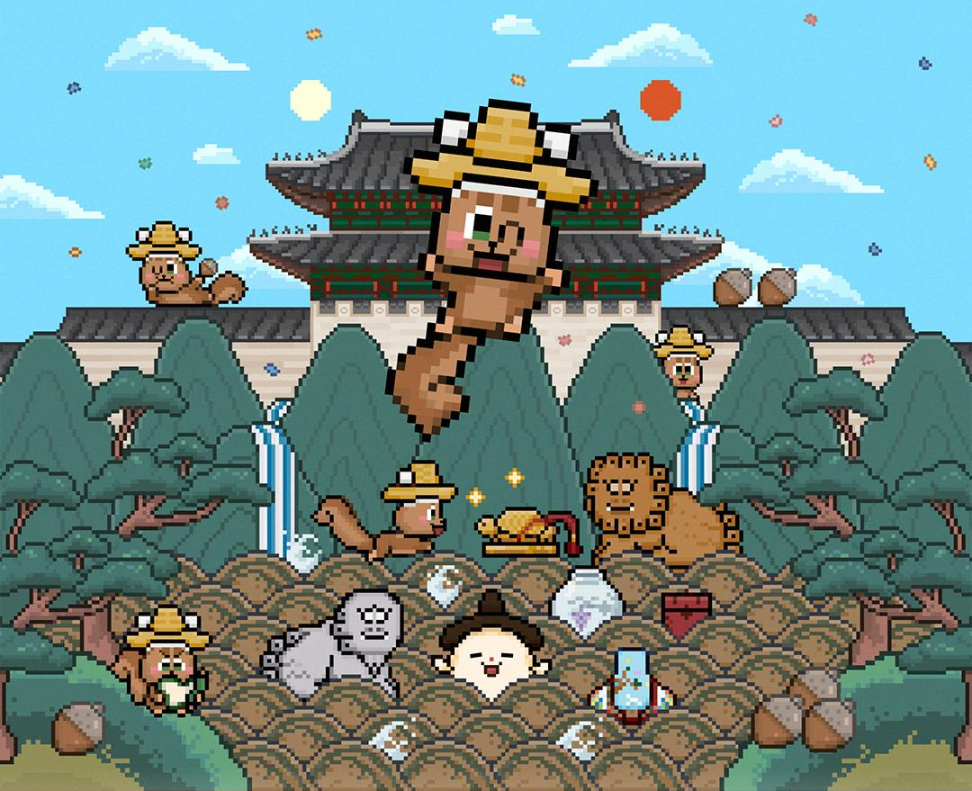
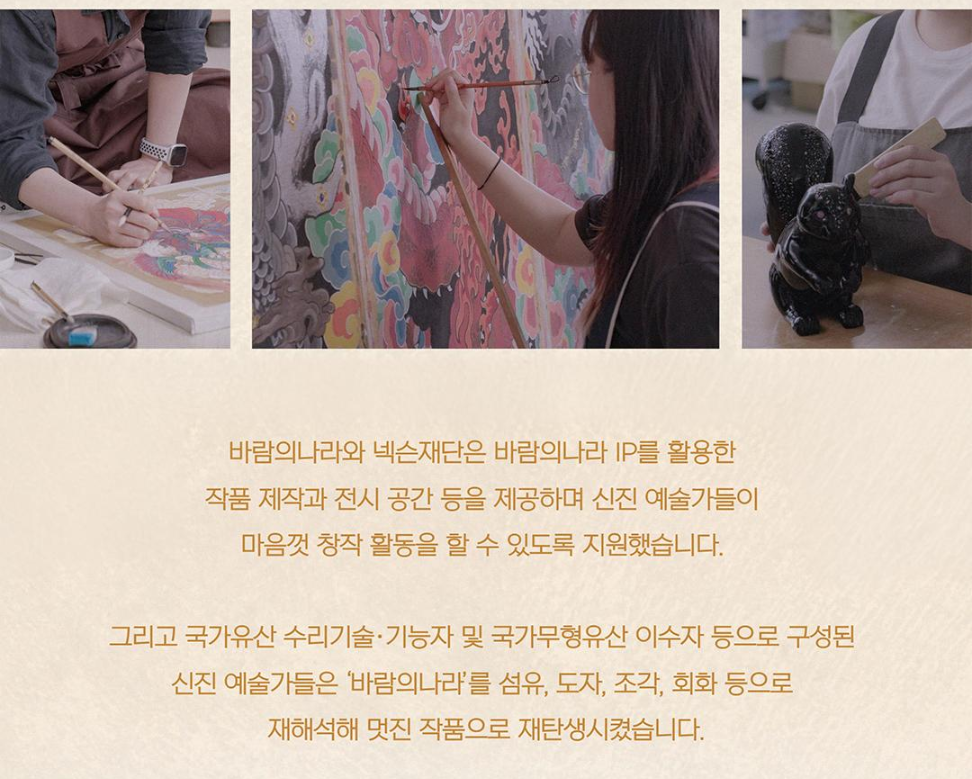

This exhibition marks Baram Nara’s 30th anniversary through a collaboration between Baram Nara, Nexon Foundation Borderless, and the Korea National University of Cultural Heritage. A game built on Korean traditional culture and sensibilities is being reinterpreted through the perspective of emerging traditional craft artists.
Borderless provides game IP and supports the creative work of emerging traditional craft artists. For the artists, it is an opportunity to apply their techniques and modes of expression to new subject matter; for visitors, it offers a way to encounter traditional craft through games.
Some of the participating artists hold qualifications as National Heritage Repair Technicians, while others are active as certified trainees of National Intangible Cultural Heritage. Working from specialties such as lacquerware, ceramics, traditional painting, dancheong, and embroidery, they have brought Baram Nara into their pieces.
For players, familiar characters can be an accessible entry point into the works. Beyond that, one of the exhibition’s main points of interest is that by looking closely at the materials and techniques used, visitors can also gain insight into the artistic world of the creators behind each piece.
Preview of 5 Works
Rogue, Riding the Wind
The first of the five collaborative works introduced here is “Rogue, Riding the Wind” by artists Yang Ho-seong, Choi Hyo-ryeong, and Han Hye-in.
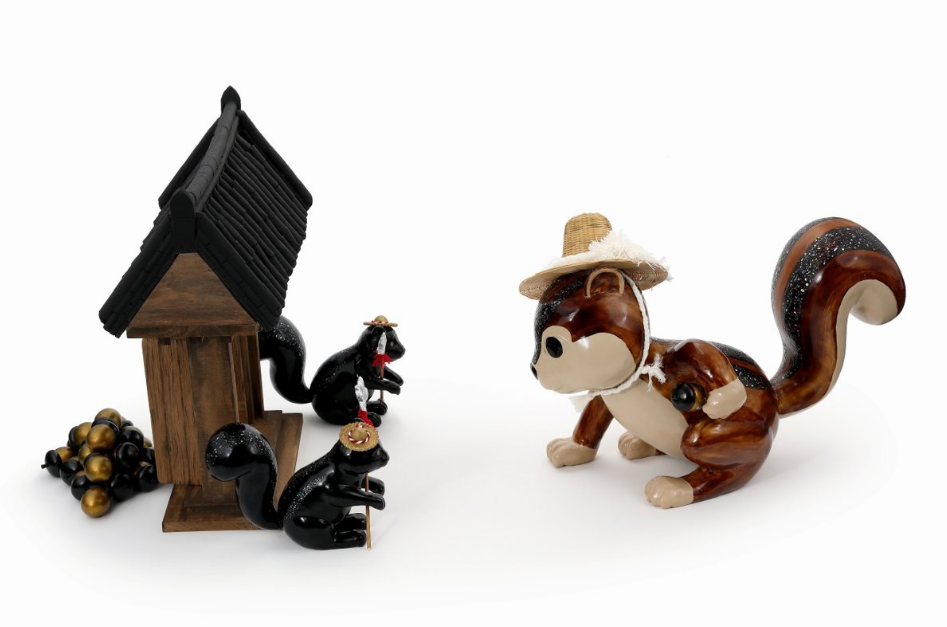
The piece combines the rogue, one of Baram Nara’s signature classes, with the squirrel. It depicts a rogue squirrel facing off as it prepares to raid the granary of a corrupt official, expressed through traditional geonchil and lacquer craft techniques.
In the official photos, the composition is especially striking: a squirrel in a satgat faces black squirrels gathered around the granary. By pairing a cute character with the scenario of robbing a storehouse, the work gives the impression of a short narrative unfolding within the scene.
The piece uses a range of lacquer techniques, along with materials such as mother-of-pearl, paulownia wood, and brass. In particular, it is worth noting the mother-of-pearl used to decorate the squirrel’s stripes and the color of the lacquer itself. It is a work that adds the pleasure of observing materials to the fun of recognizing a familiar character form.
Artist Yang Ho-seong holds the Chilgong qualification as a National Heritage Repair Technician and primarily works in geonchil sculpture. Artist Choi Hyo-ryeong holds qualifications in chilgong, metal plating, and conservation treatment, and works with a variety of materials centered on metal and cloisonné. Artist Han Hye-in applies traditional lacquer techniques to contemporary figure and character sculpture.
With that understanding of the three artists’ practices, viewers can approach the work while considering how a familiar game character was transformed into a finished craft piece.
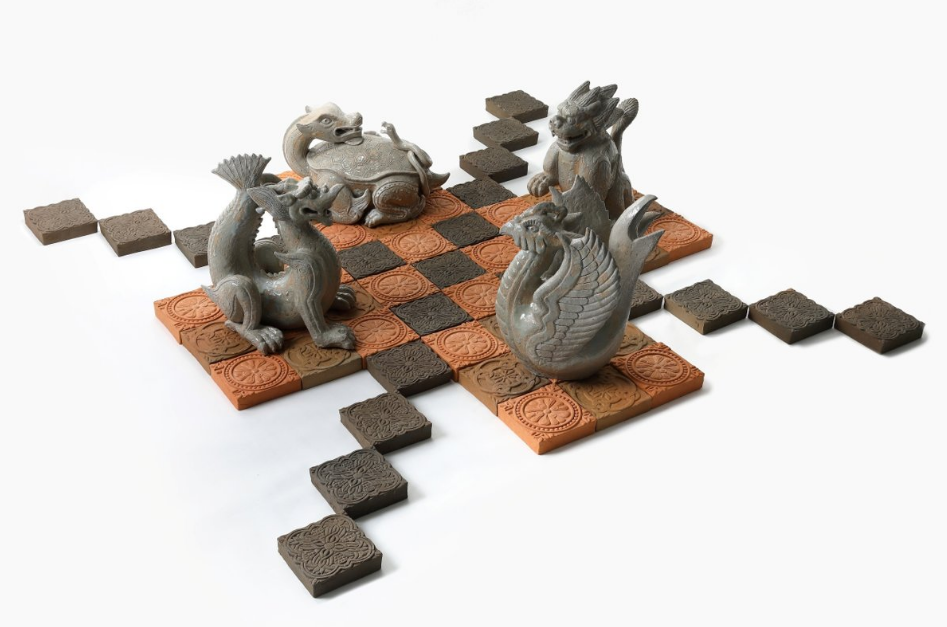
Guardian Divine Beasts Pedestal
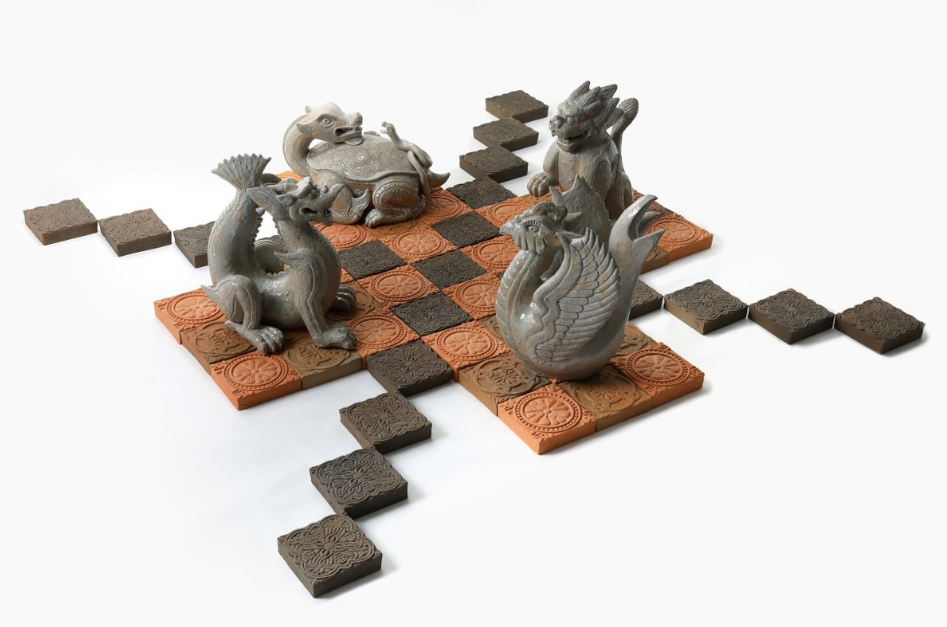
“Guardian Divine Beasts Pedestal” by artists Lee Sol-chan and Kim Jeong-woo expresses the hope that the Four Guardian Deities, who protect beginners in Baram Nara, might also protect us in the real world.
The work takes the Four Guardian Deity murals of Goguryeo tombs as its motif and combines traditional roof-tile japsang figures with ceramic sculpture. In addition to the Four Guardian Deities themselves, the jeondol, or traditional bricks placed beneath them, are also part of the composition.
The floor was inspired by the tiles in the space where the Four Guardian Deities reside in Baram Nara. According to the official explanation, the three patterns and colors seen in the game were translated into the form of traditional bricks, with different types of clay and firing methods used to create the colors and textures.
The Four Guardian Deities naturally draw the eye first, but it is equally interesting that the floor also reinterprets a space from the game. In that sense, the work translates not only the characters but also their surrounding environment into craft.
When viewing the piece, it is worth comparing the forms of the Four Guardian Deities with the restrained tones of white porcelain, the rough sandy texture of roof-tile clay, and the traces of hand shaping. This is where viewers can see how an image from the screen changes when it is reworked through clay.
Artist Lee Sol-chan is a certified trainee of the National Intangible Cultural Heritage Sagijang and creates ceramic works using clay as a medium. Artist Kim Jeong-woo is a certified trainee of National Intangible Cultural Heritage Jewajang and is a ceramic artist whose practice is based on the materials and production methods of traditional roof tiles. The two artists’ specialties come together here through the Four Guardian Deities and the traditional bricks.
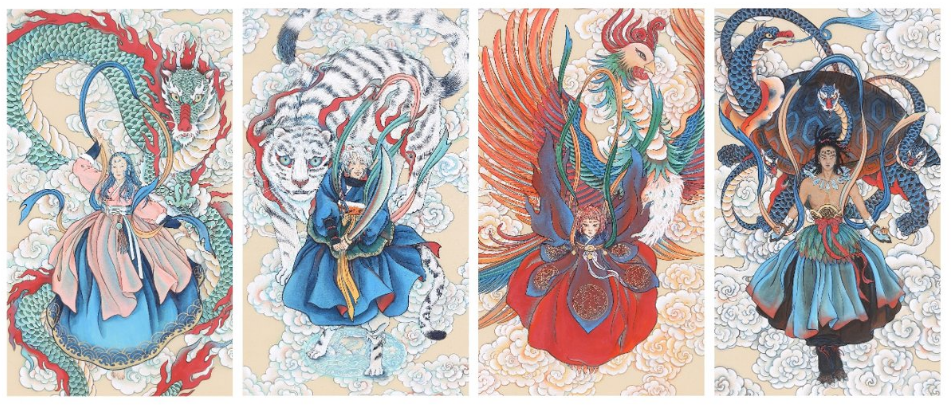
Collars Holding the Wind
Dragon Legend Ten Thousand Forms
Pouches Bearing the Wishes of the Squirrel and Rabbit
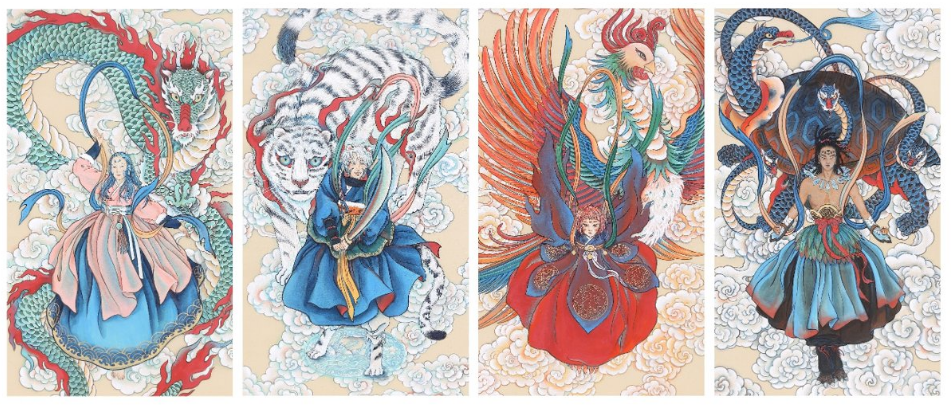
Also on view, “Collars Holding the Wind” by artist Kim Hee-sun personifies the Four Guardian Deities as figures dressed in traditional attire. One point of interest is comparing the different colors and flowing garments assigned to each deity.
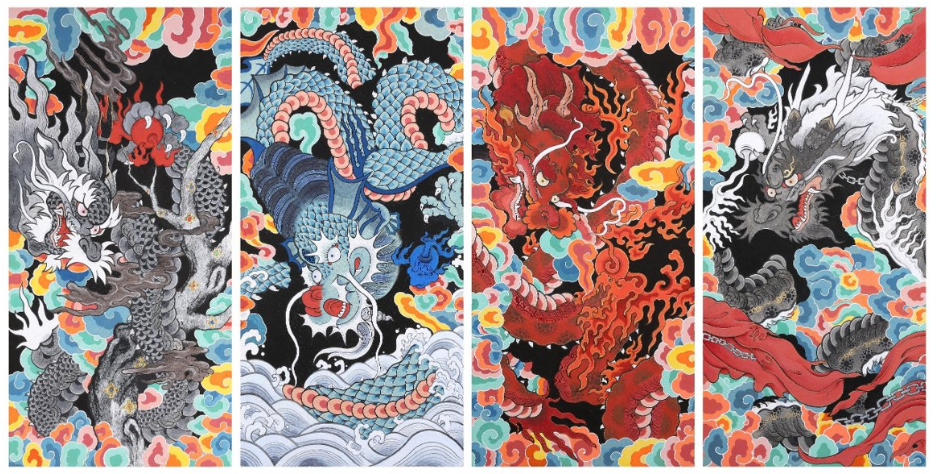
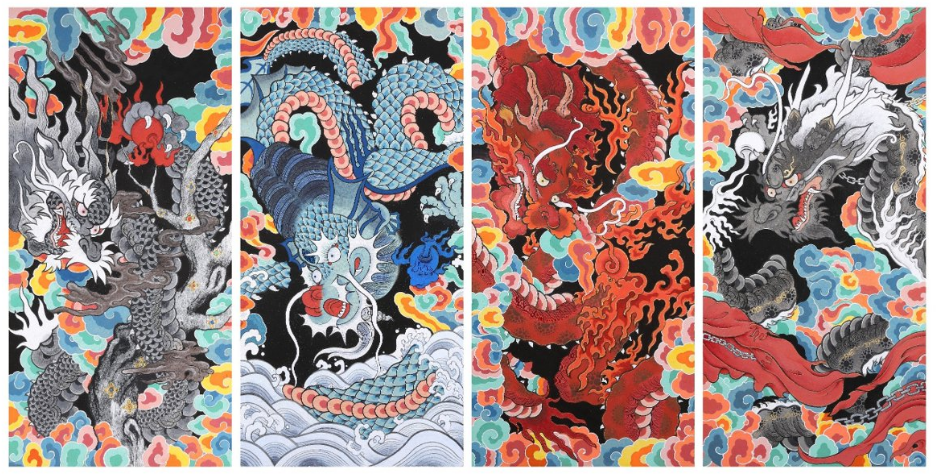
“Dragon Legend Ten Thousand Forms” by artists Ahn Yu-jin and Lee Dong-min reinterprets the four dragons from the game through dancheong and traditional painting techniques.
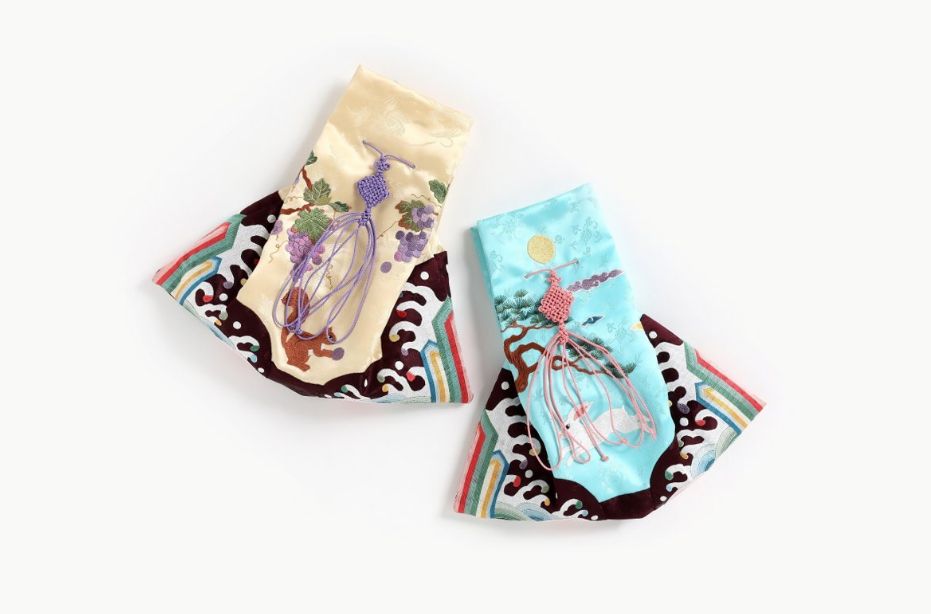
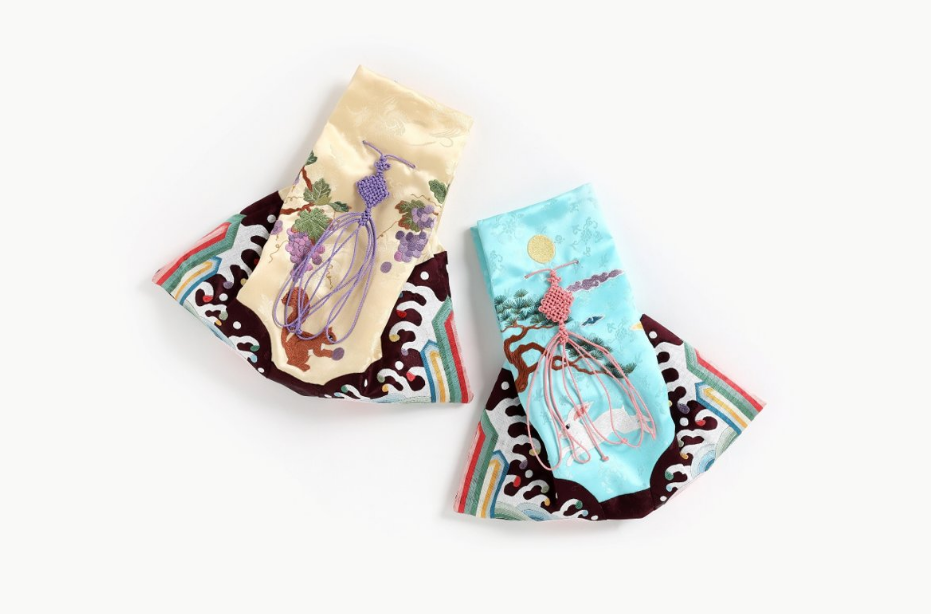
“Pouches Bearing the Wishes of the Squirrel and Rabbit” by artist Ahn Eun-jeong renders familiar characters in traditional embroidery and conveys the hope that Baram Nara will continue to be loved for a long time, carrying meanings of prosperity and longevity.
Exhibition Schedule and Visitor Information
|
Category |
Details |
|
Exhibition Title |
Wind of Standing Tall, Carrying on Tradition |
|
Exhibition Period |
September 9, 2026–September 21, 2026 |
|
Venue |
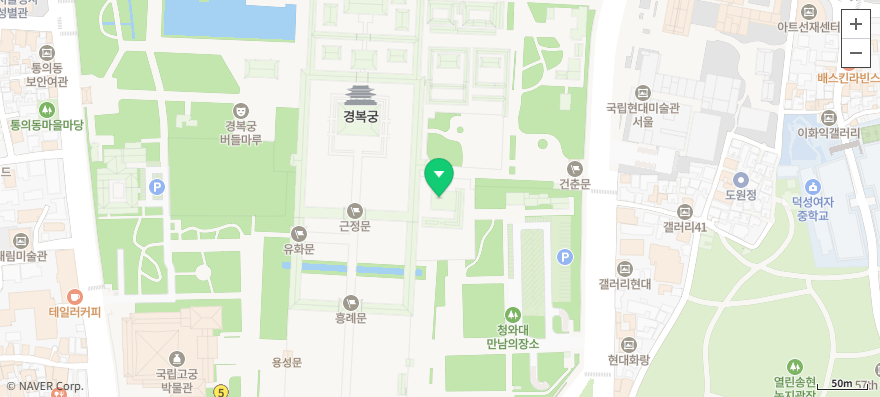
Gyejodang Hall, Gyeongbokgung Palace |
|
Viewing Hours |
9:30 AM–5:30 PM |
|
Last Entry to Gyeongbokgung Palace |
5:00 PM |
|
Closed |
Gyeongbokgung Palace is closed on Tuesdays |
|
Exhibition Admission |
Free |
|
Gyeongbokgung Palace Admission |
Separate fee of 3,000 won, free for youth aged 24 and under |
The exhibition itself is free, but admission to Gyeongbokgung Palace is charged separately.
During the exhibition period, Tuesday, September 15, is a palace closure day, so visitors may want to keep that in mind when planning a visit.

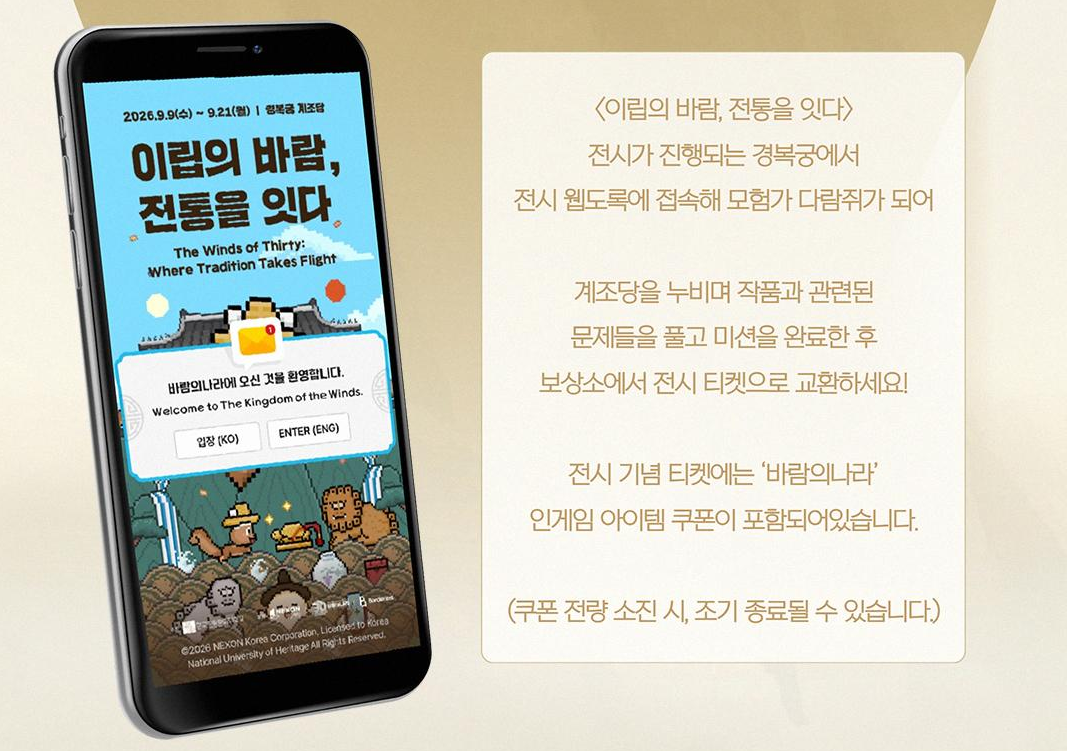
Visitors on site can also access a web guidebook via QR code. In it, the viewer takes on the role of a peddler squirrel, explores the palace, and completes missions related to the works.
After completing the web guidebook missions, visitors can receive a commemorative exhibition ticket containing an in-game item coupon at the reward station in front of Gyejodang Hall. It adds a game-like layer to the exhibition experience, making it worth trying while viewing the works.
Exhibition Goods Available for Purchase on idus


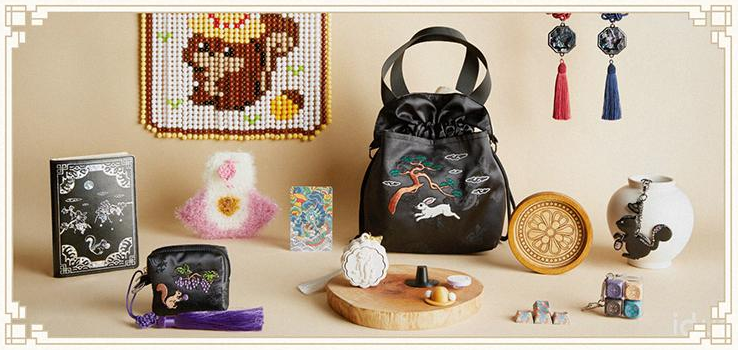
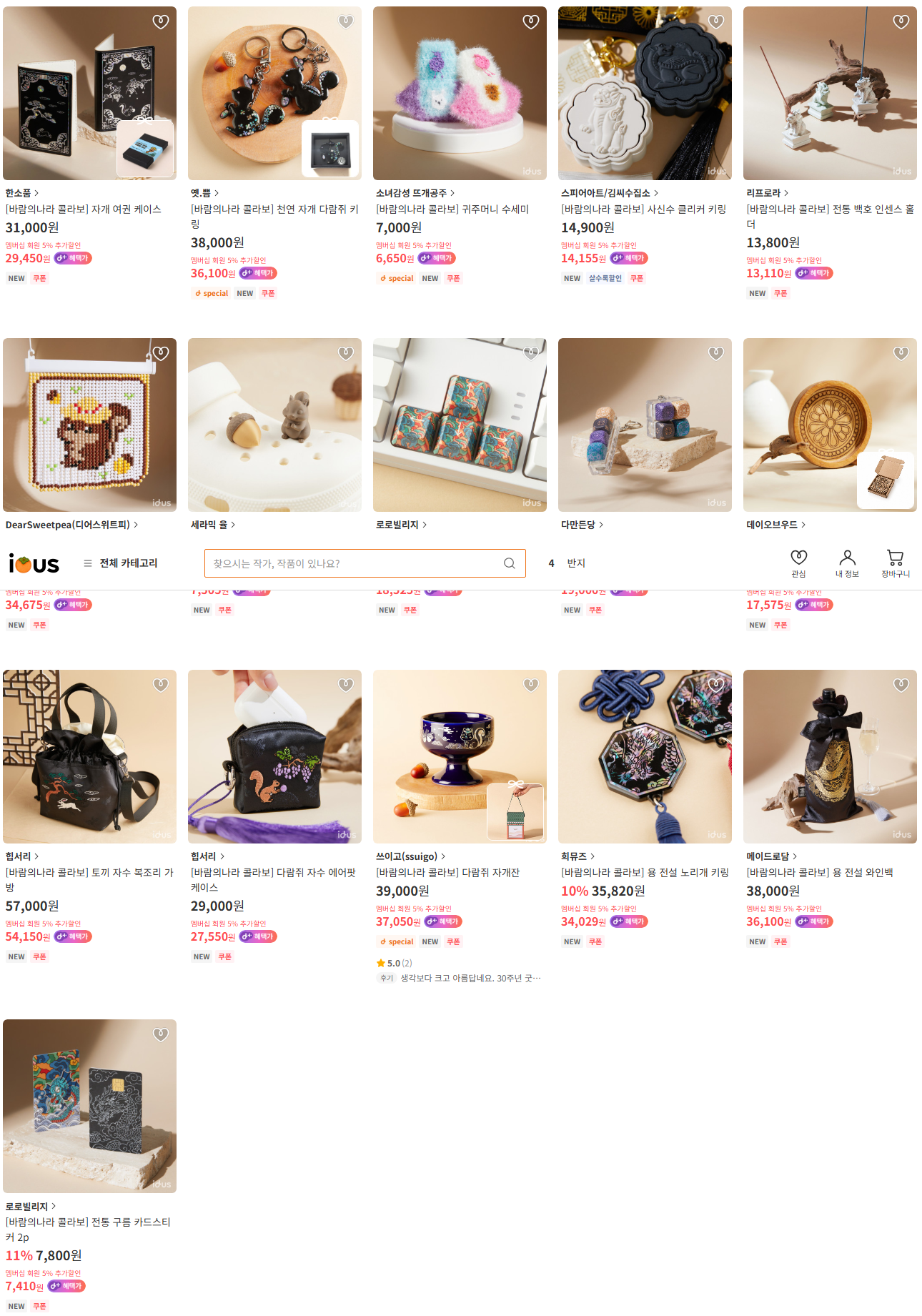
Source: idus
Borderless goods inspired by the traditional craft works on display can be viewed in person at “Walsuk’s General Store” at the venue.
However, they are not available for purchase on site. If you would like to buy them, check the idus website, where they have been available since September 9.
Part of the proceeds from the goods will go toward supporting the continued creative work of the artists participating in Borderless. In other words, the project does not stop at introducing the works through the exhibition; purchases of the goods also help support the artists’ future practice.
Closing Thoughts
For Baram Nara players, the exhibition offers a chance to compare how familiar motifs such as the squirrel and the Four Guardian Deities have been transformed through lacquer and ceramics. Even for visitors who do not know the game well, it can be appreciated by focusing on the materials and methods of expression if they are interested in traditional craft or character design.
It is also a worthwhile exhibition for anyone curious about what support programs for emerging artists can produce in practice. Looking at the artist names and fields listed beside each work may also lead visitors from a favorite piece to a broader interest in that artist’s other activities.
The exhibition runs through September 21. Before visiting, it is worth checking the schedule and visitor information, and taking note of the materials and in-game motifs behind the five works introduced above.
#신진예술가 #보더리스 #예술가지원 #바람의나라30주년 #바람의나라전시 #넥슨재단



![[바람의 나라 30주년 기념 전시] 이립의 바람, 전통을 잇다. (feat. 경복궁 가을 나들이)](https://peak-file.nexon.com/uploads/20260912_0101_795ad5f2.png)