[PEAK Challenge] How ITZY Characters Rekindled Fan Enthusiasm in Sudden Attack’s K-POP Collaboration
Tuanzebe
[Participating in the Nexon PEAK Post Challenge]
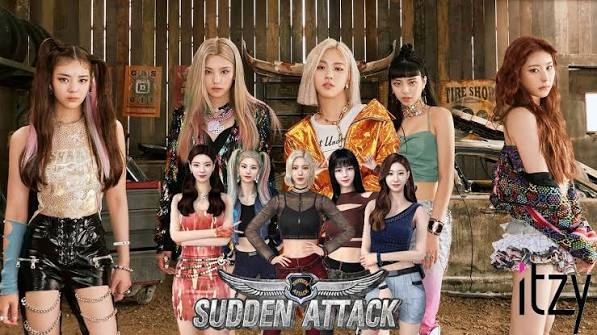
The K-POP gaming collaboration that impressed me most was the Sudden Attack and ITZY character collaboration.
In this post, I want to explore why players responded so positively to K-POP artists becoming playable characters, and why the character collection and fan merchandise events felt so special.
I think collaborations between games and K-POP are more memorable when players can experience them in the game, rather than through events that simply borrow an artist's name. That was what made the Sudden Attack and ITZY collaboration stand out to me. The artists were not just featured in promotional images; players could actually encounter them as in-game characters.
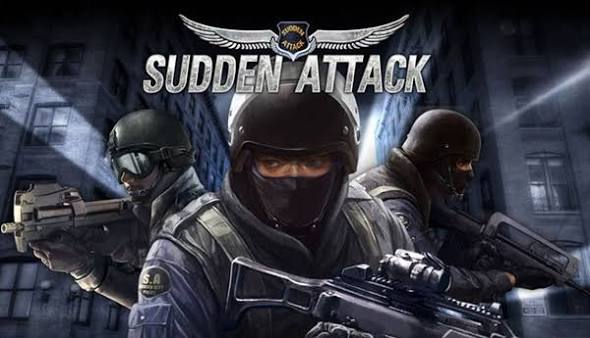
Sudden Attack is an FPS game that lets players choose which character to play as. That makes character collaborations more noticeable than they might be in other genres. Your chosen character appears in the game, and each new round reinforces the feeling of playing as that character. I think this is why a K-POP artist collaboration was such a natural fit for Sudden Attack.
The ITZY collaboration stayed with me because it brought fandom and gameplay together naturally. K-POP fans had a reason to seek out their favorite member's character, while Sudden Attack players had new characters to collect. It gave the game's players and the group's fans a shared point of interest.
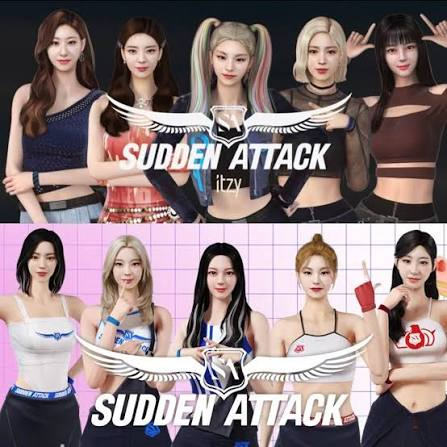
I particularly liked that the characters were released as sets. Instead of just looking at an event banner, players could enjoy exploring and collecting each member's characters. In an FPS game, a character is more than a visual design; it is something you continue to see as you play. That makes seeing a favorite artist as a character feel all the more significant.
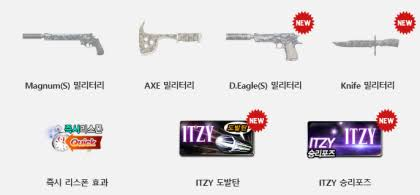
The official Sudden Attack update announced a character collection event alongside the ITZY character release. Collecting ITZY character sets with a combined duration that met the requirement earned players a permanent character selection voucher. Fan events, including a prize draw for signed mouse pads, ran alongside it. This combined the fun of collecting in-game with the anticipation of fan merchandise outside the game.
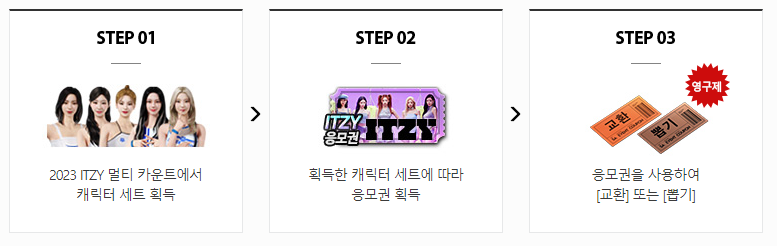
I think there are clear reasons why players responded well to this kind of collaboration. First, it lets them encounter K-POP artists directly in the game. Second, collecting characters gives them a goal to work toward. Third, accompanying events with signed merchandise give fans their own reason to participate.
For me, the highlights were collecting characters and earning a permanent character selection voucher. Collaboration characters can seem difficult to obtain again once an event ends, so collecting them becomes a goal in itself.
If you have a favorite member, it is only natural to want to keep playing as that member's character for a long time.
The signed merchandise events were another element that felt especially fitting for a K-POP collaboration. Regular in-game rewards are welcome, but merchandise connected directly to the artists adds something special. Rewards such as signed CDs, signed Polaroids, and signed mouse pads are meaningful to fans as well as players.
Sudden Attack also has a long history of attracting attention with celebrity characters. Because players directly control their characters in an FPS, turning celebrities into playable characters makes a particularly strong impression. To me, a key strength of Sudden Attack collaborations is that these characters are not confined to the lobby; players can use them in actual matches.
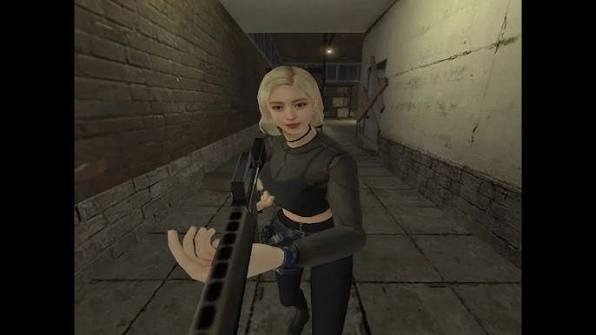
For a K-POP collaboration to succeed in a game, the artist's image needs to fit naturally with the game's content. I felt that ITZY's bold, confident image suited Sudden Attack's fast-paced combat. Their appearance as characters felt like a collaboration that belonged in the game, rather than simply a set of attractive skins.
Collaborations like this can also give players who have taken a break a reason to return. Even someone who has not been playing Sudden Attack regularly might log in to explore an event featuring a favorite K-POP artist. The connection can work the other way, too: Sudden Attack players may discover an interest in an artist through the collaboration.

I think this is the greatest strength of collaborations between games and K-POP. The game gains new characters and events, while the artist's fans take an interest from outside the game. Bringing these different interests together in a single event draws more attention to it.
The Sudden Attack × ITZY collaboration was a particularly strong example of three elements working well together: characters, collecting, and merchandise. Players could collect the members' characters in the game and look forward to signed merchandise events outside it. That gave them clearer reasons to participate than a purely promotional collaboration would have.
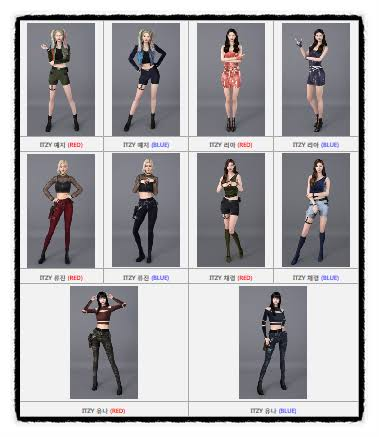
This also explains why the collaboration was bound to resonate with players. The characters' limited availability makes them appealing to collectors, while the artists' name recognition draws attention to the event itself. Being able to use the characters in matches also turns that interest into gameplay, rather than leaving players simply looking at an event.
I also liked the temporary change these collaborations brought to the game's atmosphere. Sudden Attack is fundamentally a tense FPS game, but during a K-POP character event, the lobby and community become a little more focused on discussing the collaboration. Conversations about the latest character releases and which member's character people like emerge naturally.
What particularly impressed me was that a K-POP collaboration could appeal to more than just fans. Fans could be drawn to the artist characters and merchandise, while existing Sudden Attack players could enjoy the new characters and collection events. I liked that the same event gave people different reasons to take part.
Of course, a K-POP collaboration also depends on how well it represents the artists. The character designs and names, the feel of the event page, and the reward selection all need to meet fans' expectations. When those elements come together, players see it as more than just another event: it becomes a memorable collaboration.
Over its long history, Sudden Attack has attracted attention through a wide variety of characters and events. Its K-POP artist collaborations are especially notable for connecting the game with popular culture beyond gaming. Someone unfamiliar with the game might take an interest after seeing an artist's name, while existing players get to enjoy new characters in the game.
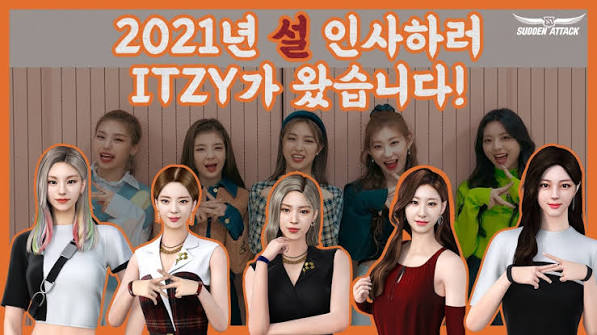
What impressed me about the Sudden Attack × ITZY collaboration was that it offered something to enjoy both inside and outside the game. Players could collect characters and play as them, while signed merchandise events appealed to their enthusiasm as fans beyond the game. It showed why K-POP collaborations attract so much attention.
For future collaborations like this, I hope the focus stays on content players can experience through gameplay, rather than simple promotional banners. Characters, skins, voices, lobby presentations, missions, and merchandise events can all help connect experiences inside and outside the game. I think the more of these connections a collaboration offers, the more special it will feel to players.
For me, Sudden Attack × ITZY was the most memorable K-POP gaming collaboration. It brought K-POP artists into an FPS as playable characters, while collection events and fan merchandise gave both players and fans something to talk about.
Here are the key points from today's post.
The Sudden Attack × ITZY collaboration stood out by bringing K-POP artists into the game as characters.
Choosing a character and playing as them directly in an FPS made the collaboration feel more tangible.
Collecting characters and earning a permanent character selection voucher gave players clear goals to work toward.
Signed merchandise events gave K-POP fans a special reason to participate, too.
The connection between gameplay and fandom outside the game made this collaboration particularly impressive.
Which K-POP gaming collaboration was most memorable for you? Whether it involved characters, skins, an OST, or events, share the collaborations that left an impression on you in the comments.