[PEAK Challenge] Mabinogi Mobile’s 망령의 탑: All the More Unsettling in the Bright World of Erinn
Tuanzebe
![[PEAK Challenge] Mabinogi Mobile’s 망령의 탑: All the More Unsettling in the Bright World of Erinn](https://peak-file.nexon.com/uploads/20260713_0303_fd074f85.jpg)
[Participating in the Nexon PEAK Post Challenge]
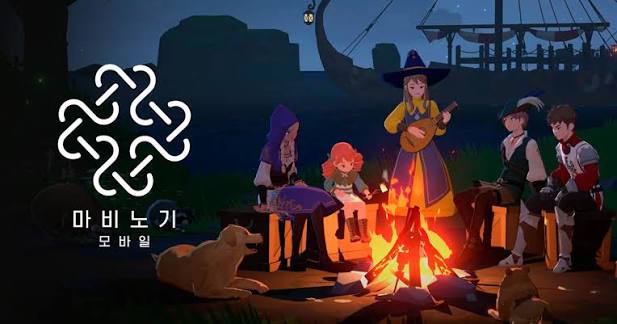
The moment in Mabinogi Mobile that felt most like a ghost story to me was my first encounter with the Tower of Wraiths.
In this post, I want to reflect on why the tower stayed with me for so long—unsettling from its name alone, and so different from the warmth I usually associated with Erinn.
I do not think ghost stories in games need an explicitly frightening scene to be memorable. Sometimes an unfamiliar atmosphere, a name, background sounds, and the feel of a place come together to let players imagine things for themselves. Those moments can linger longer than a sudden jump scare.
I had always strongly associated Mabinogi Mobile with warmth. I thought first of wandering through towns, enjoying life-skill activities, customizing my character, and exploring Erinn with other players. I never expected to find something in this game that felt like a ghost story.
But when I saw the name Tower of Wraiths, the mood shifted a little. The word “wraith” alone felt at odds with the bright Erinn I knew. It suggested more than a challenge filled with powerful monsters. It made me imagine beings left behind somewhere, still waiting.
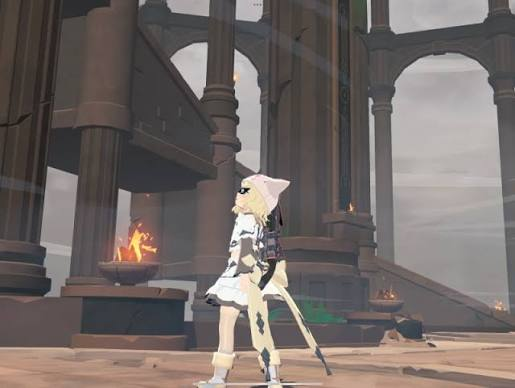
Before I first entered the Tower of Wraiths, its name alone made me a little tense. Unlike the familiar towns and fields of Mabinogi Mobile, the tower left me uncertain about what I would find as I climbed higher. When I felt as though I was facing the challenge alone, it seemed especially quiet and unsettling, more so than an ordinary dungeon.
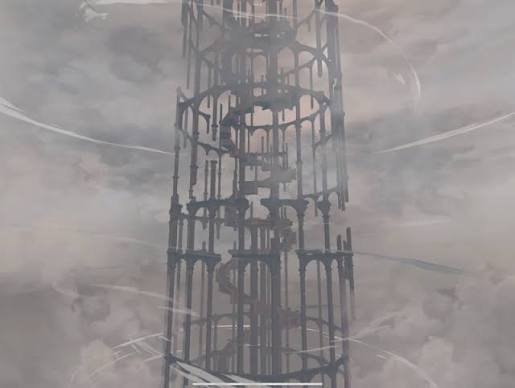
I do not remember this moment as a ghost story because a frightening ghost suddenly appeared. Rather, the unexplained atmosphere left room for my imagination. I kept wondering why this place was called the Tower of Wraiths, what beings remained inside, and what I would encounter on the upper floors.
The usually bright atmosphere of Mabinogi Mobile made darker content like this stand out all the more. In a game that was always dark and frightening, the Tower of Wraiths would probably have felt like just another dungeon, a natural part of its world. But after spending time in welcoming towns and enjoying life-skill activities, encountering a name like Tower of Wraiths made the contrast much more pronounced.
I think that contrast is part of the appeal of ghost stories in games. When a dark, inexplicable place suddenly appears in a world we normally pass through without a second thought, we begin to imagine the stories behind it. That was how the Tower of Wraiths in Mabinogi Mobile felt to me.
The climb itself added to the eerie atmosphere. Overcoming trials one floor at a time seemed like a way to grow stronger, but it also felt like venturing further into a place with no end in sight. I wondered what enemies would appear on the next floor, and whether the atmosphere would grow darker still.
The word “wraith,” in particular, suggests a being with a history rather than just a monster. Even during combat, I found myself wondering what stories and traces of the past remained in the tower, instead of seeing its enemies only as things to fight. It struck me that a name alone could inspire those thoughts, even though I did not know all the lore.
In other games, ghost stories often linger in memory as hidden rooms, strange NPCs, or Easter eggs that appear only at certain times. In Mabinogi Mobile, though, that feeling came more from atmosphere and imagination than from such explicit devices. It was like suddenly discovering a shadowed place within a bright fantasy world.
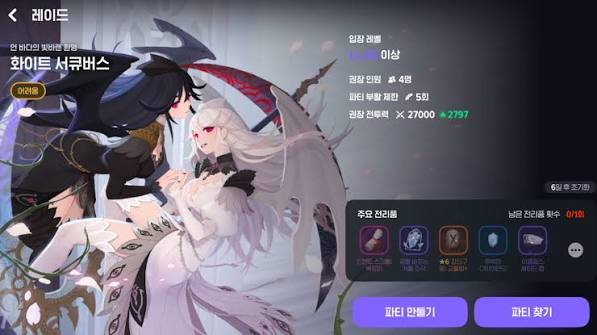
The White Succubus raid and the darker story titles in Advent of the Goddess created a similar atmosphere. Titles such as “Whispers of Illusion,” “Shadow of the Goddess,” “Pale Echoes,” and “Light and Darkness” alone suggested stories a little more ominous than a straightforward adventure. They made me feel that, beneath its bright appearance, Mabinogi Mobile also has elements scattered throughout that invite us to imagine something darker.
The Tower of Wraiths stands out as my most memorable brush with that ghost-story feeling because it showed me another side of Mabinogi Mobile. Erinn, usually such a warm and comfortable place, suddenly seemed quiet and unfamiliar. I found it interesting that the atmosphere could change so much within the same game.
I do not usually seek out frightening games, but I enjoy a touch of eeriness woven into a fantasy game like this. It was not horror designed to startle me outright, just enough to make me wonder, “What might have happened in this place?” That made it easier to enjoy without feeling too uneasy.
That is how the Tower of Wraiths stayed with me. I cannot quite call it an actual ghost story, but its name and atmosphere were enough to make it feel like one. The contrast with the brightness of Mabinogi Mobile made that impression all the more lasting.
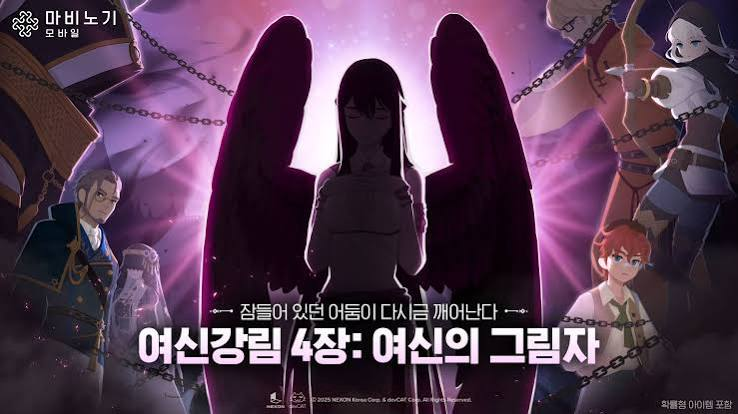
Ultimately, I think the appeal of ghost stories in games lies in leaving some questions unanswered. When players can fill in the gaps themselves and imagine stories from a place’s name and atmosphere, the experience stays with them longer. The Tower of Wraiths in Mabinogi Mobile encouraged that kind of imagination.
To sum up the main points of this post:
The place in Mabinogi Mobile that felt most like a ghost story to me was the Tower of Wraiths.
In contrast to the bright, warm atmosphere of Erinn, the Tower of Wraiths felt unsettling from its name alone.
Its name and atmosphere, rather than explicit horror effects, stirred my imagination.
Elements such as White Succubus, Shadow of the Goddess, and Pale Echoes also suggested a darker atmosphere.
That is why I remember the Tower of Wraiths as an eerie place that revealed another side of Mabinogi Mobile.
Have you ever found a place in a game that felt so different from its usual atmosphere that it seemed like a ghost story? If an eerie location or a hidden story has stayed with you, please share it in the comments.
![[피크챌린지]시간을 들일수록 진가를 발휘하는 '내실과 칭호'의 미학](https://peak-file.nexon.com/uploads/20260809_0239_dbeb4d27.png)
![[피크 챌린지] 게임과 음악이 만났을 때, 마비노기 모바일이 더 특별했던 이유 by 케이팝 아티스트](https://peak-file.nexon.com/uploads/20260807_0345_a253dd54.png)
![[피크 챌린지] 하루 끝에 낚시와 풍경으로 쉬어가는 마비노기 모바일](https://peak-file.nexon.com/uploads/20260726_0447_15db4bc7.jpg)
![[피크 챌린지] 걷기부터 감정 표현까지, 살아있는 캐릭터의 움직임이 매력적인 넥슨 '마비노기 모바일' & '퍼스트 디센던트'](https://peak-file.nexon.com/uploads/20260707_0837_7b7ac014.webp)