[PEAK Challenge] Mabinogi Mobile Feels Alive Even Outside Combat
Tuanzebe
![[PEAK Challenge] Mabinogi Mobile Feels Alive Even Outside Combat](https://peak-file.nexon.com/uploads/20260705_0716_1bf26b6f.jpg)
Participating in the Nexon PEAK Post Challenge
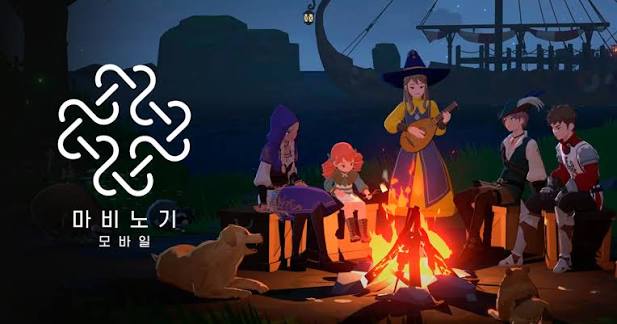
Mabinogi Mobile is the game that has impressed me most with its character animations.
In this article, I want to reflect on the moments when its characters felt alive, not just in combat, but also while walking, using emotes, taking part in everyday activities, and interacting with others.
Character animation in games usually brings to mind flashy attack skills and boss battle sequences. At first, I also paid more attention to which class had the most impressive skills and how quickly and satisfyingly its attacks flowed together. As I continued playing Mabinogi Mobile, though, I found that ordinary walks and everyday activities drew my attention to the characters' movements more than combat did.
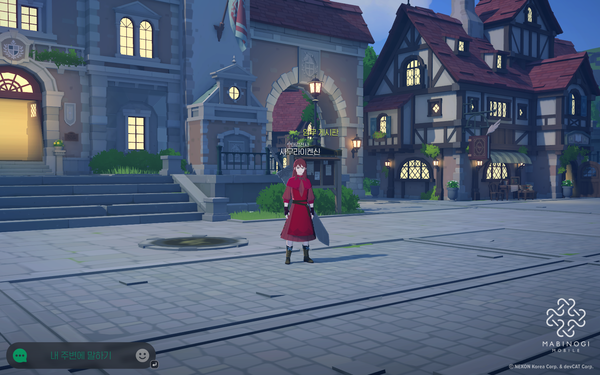
The first thing that stood out to me in Mabinogi Mobile was how my character moved from place to place. A slow walk through town had a different feel from a quick journey across the field, and when my character changed direction, their body seemed to follow naturally rather than turn abruptly. Even a simple trip to a quest destination made it seem as though my character was really making their way through Erinn.
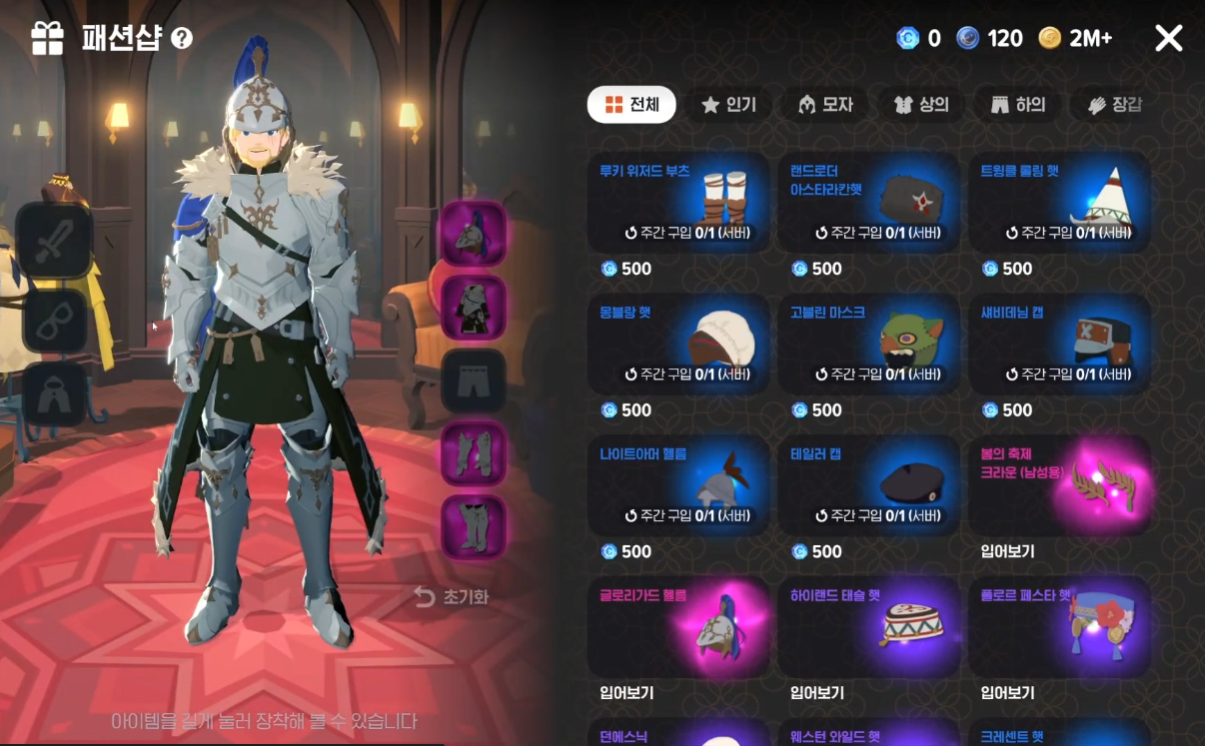
I also enjoyed seeing my character in motion after customizing their appearance. A new outfit and hairstyle were easier to appreciate while walking and running through town than while standing still. When the look of the clothing complemented my character's movements, it offered a different kind of satisfaction from simply raising stats, as though the character I had styled was going about their life on screen.
What I appreciated about the combat animations was how distinct each skill's movements felt. Even against the same enemy, a class that landed several quick strikes felt different from one that settled into a stance before delivering a single heavy blow. The differences went beyond skill effects to the way characters prepared an attack and swung their weapons, so switching classes felt like controlling a different character.
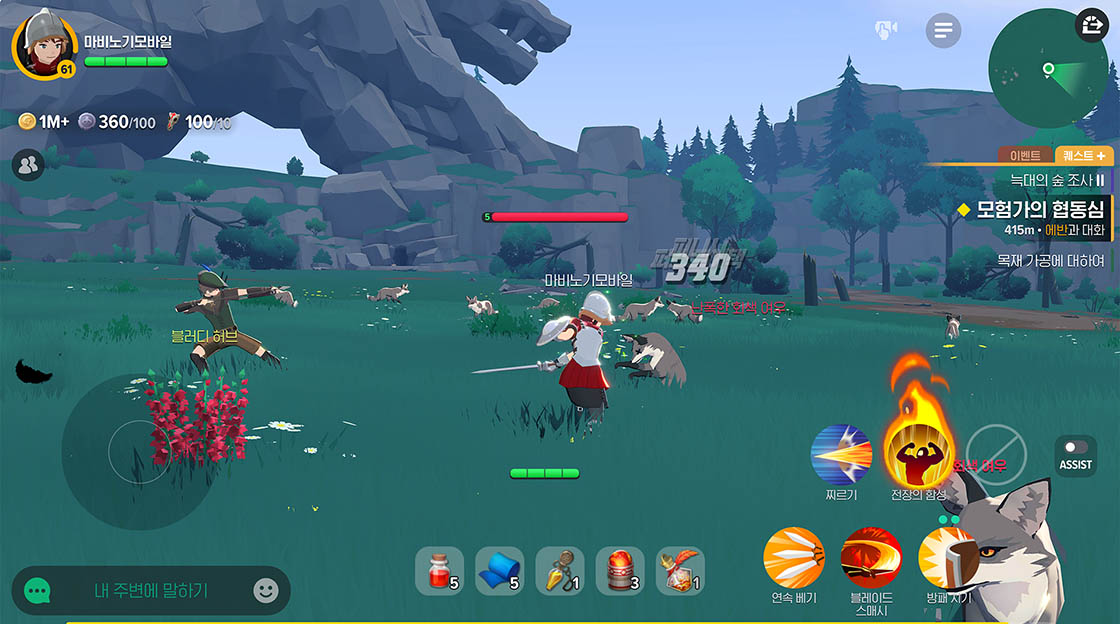
The controls were especially satisfying when an attack flowed naturally into the next movement. Rather than stopping completely after a skill, my character could move to another position or follow up with a different attack, giving combat a continuous flow. Dodging an enemy's attack, turning, and striking again also gave me a clear sense of directly controlling my character's movements.
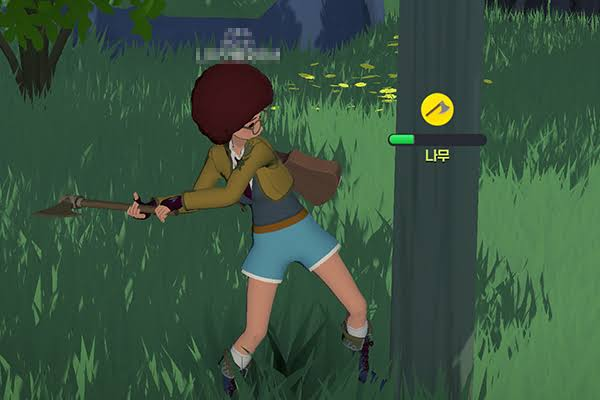
Still, the animations I appreciated most in Mabinogi Mobile were those outside combat. Even activities that were not essential to fighting had their own animations, whether my character was gathering, handling objects, spending time near a campfire, or playing an instrument. Watching these moments made my character feel less like someone who did nothing but fight and more like an adventurer living in Erinn.
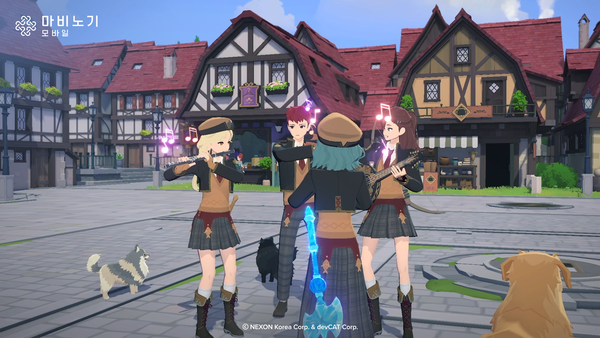
Playing instruments was particularly memorable. The music did not simply play in the background; my character held an instrument and took up a playing position, changing the atmosphere of the scene. Watching several characters perform together or gather nearby made me feel that I could fully enjoy the game without taking part in combat.
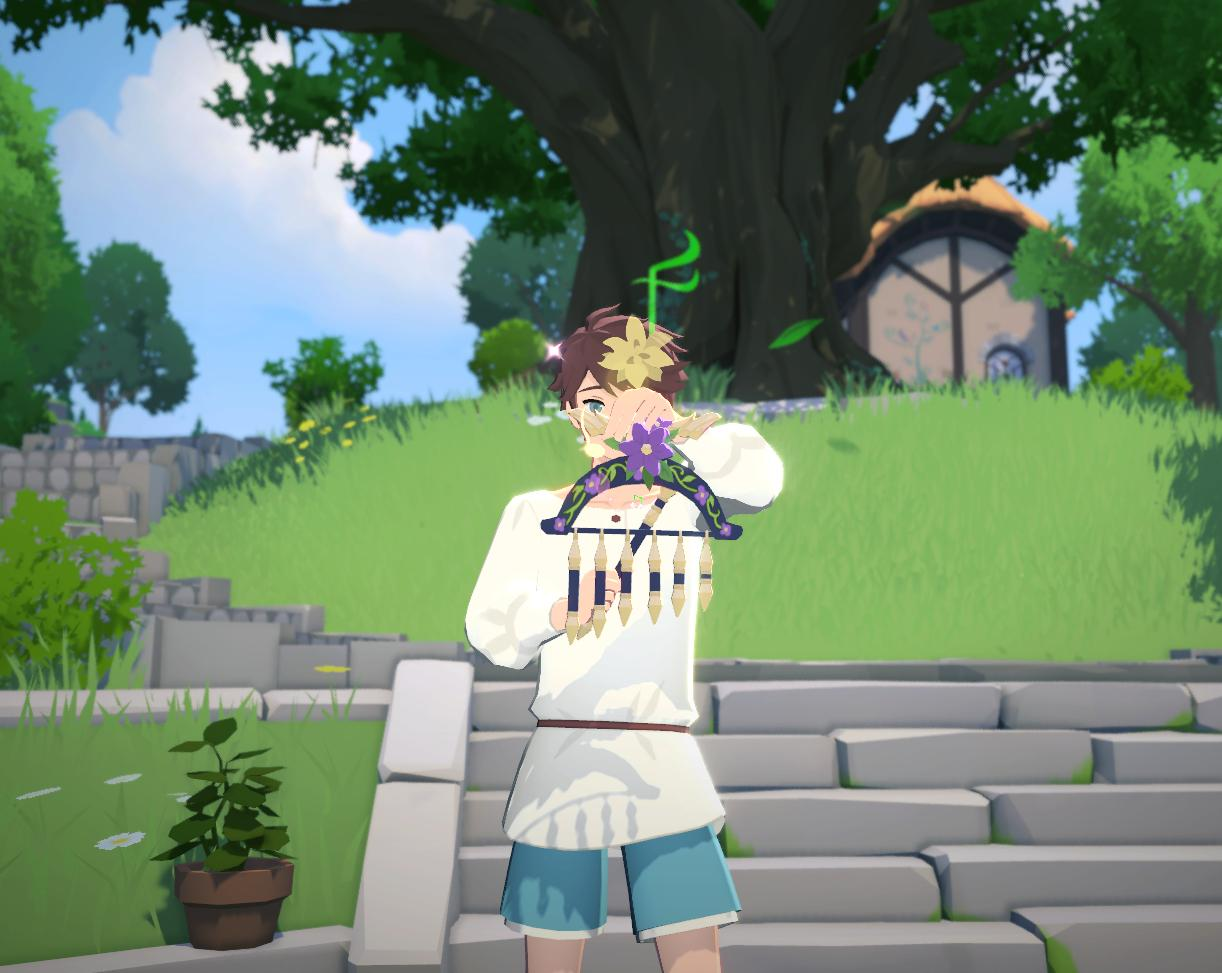
Emotes also helped me grow attached to my character. Seeing them express joy, greet someone, or behave playfully felt like a way of shaping their personality myself. At times, a single emote conveyed the mood better than a short chat message could.
These animations felt especially valuable when I met other players. Instead of simply standing in the same place, we could greet one another or use emotes to create a brief moment of interaction. Being able to communicate informally through character movement alone, without forming a combat party, felt well suited to the atmosphere of Mabinogi Mobile.
Character animations also made solo play more immersive. Stopping in front of an NPC during a quest, walking through a new area, or spending a little time on an everyday activity felt like more than navigating menus. Seeing my character move and carry out each action gave me the sense that I was traveling through Erinn myself.
What stayed with me most was not an elaborate boss sequence, but the moments when I moved my character slowly through town. Sometimes, rather than rushing through quests, I would change outfits and wander around, or watch other players perform music and use emotes. Those moments made me realize that character animation contributed far more to the game's atmosphere than I had expected.
I do not think good character animation is only about realistic movement. It also needs to suit the game's atmosphere and the character's personality, while allowing players to feel the results of their actions immediately. The combination of flashy combat animation and relaxed everyday movement in Mabinogi Mobile gave its characters a greater sense of depth.
In combat, my character moved quickly and assertively, but back in town, that gave way to slow walks and everyday activities. The contrast kept them from looking like a doll repeating the same pose. For me, the greatest appeal of the animations in Mabinogi Mobile was how both the movement and the mood changed with the situation.
Ultimately, the character animations in Mabinogi Mobile stayed with me because they made spending time in its world feel like an experience in itself. I could watch my character carry out each action, from attacking and dodging to walking, playing music, using emotes, and interacting with others. Playing therefore gave me not only the feeling of controlling a character, but also of living in Erinn.
Here are the main points from these impressions:
In Mabinogi Mobile, even basic movements such as walking and changing direction felt natural.
Each class had distinct attack stances and skill animations, making combat enjoyable to watch.
Everyday activities such as gathering, playing music, and spending time around a campfire made the characters feel more alive.
Emotes and interactions offered a way to communicate with other players through movement.
What impressed me most was how the characters seemed to be living in Erinn even when they were not fighting.
Have a character's small movements ever made you feel more immersed in a game? If any game's combat animations or emotes have stayed with you, please share your experiences in the comments.
![[피크 챌린지] 인생게임추천 던파모바일 2.0 아케이드 쇼케이스 총정리|2026 하반기 마일스톤 한눈에 보기](https://peak-file.nexon.com/uploads/20260712_0107_c041d919.png)
![[피크 챌린지] 메이플스토리를 20년째 하는 이유, 파티플레이가 남긴 추억](https://peak-file.nexon.com/uploads/20260714_0959_96f31303.png)
![[피크 챌린지] 엘소드에 대해 모르겠으면 '가이드'를 가자](https://peak-file.nexon.com/uploads/20260715_0656_9d294c72.png)
![[피크 챌린지] 바쁜 날에도 짧게 성장할 수 있었던 메이플스토리](https://peak-file.nexon.com/uploads/20260713_0220_7d05635d.jpg)