[PEAK Challenge] My MapleStory Equipment Setup, Refined with Official Guides and Community Input
Tuanzebe
![[PEAK Challenge] My MapleStory Equipment Setup, Refined with Official Guides and Community Input](https://peak-file.nexon.com/uploads/20260705_0621_9e456448.jpg)
Participating in the Nexon PEAK Post Challenge

Putting together an equipment setup in MapleStory can feel complicated at first, but I found it much easier to plan my progression when I used the official guide alongside information on other players’ setups.
In this post, I’ll explain what information I looked for while choosing my MapleStory equipment and how it helped me as I progressed.
When I first started MapleStory, choosing my equipment was more difficult than I had expected. I thought I simply needed to equip items with high attack power, but there were many factors to consider beyond equipment type, including Star Force, Potential, bonus stats, and set effects. Even items with the same name could differ depending on their stats, and it was not immediately clear which equipment slots I should upgrade first to get the most out of my resources.
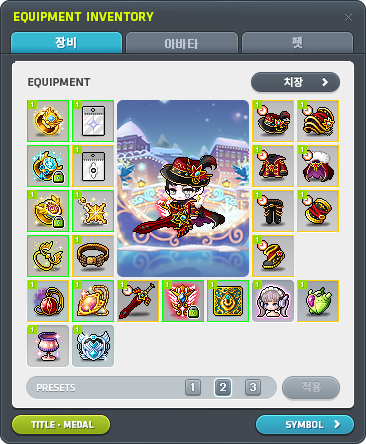
At first, I simply entered “MapleStory equipment setup” into a search engine and read through several posts. However, each guide recommended slightly different equipment and used different criteria, which sometimes left me more confused. Some described setups for players with large budgets, while others were aimed at those just starting out. I realized that rather than buying items simply because a guide named them, I needed to understand how each system worked first.
The first resource I turned to was the official MapleStory guide. It was useful for checking the basic rules of each system, such as how Star Force enhancement works and what can be carried over through equipment transfer. Community posts draw on firsthand experience, but their advice can vary depending on the game’s update cycle and the resources available to the player writing them. By comparison, I found the official guide a straightforward reference for understanding the underlying mechanics.
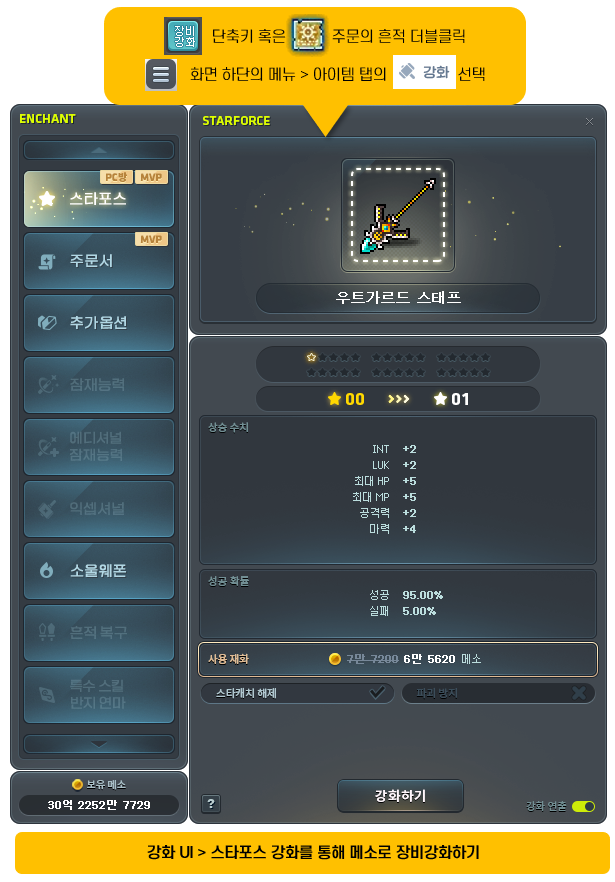
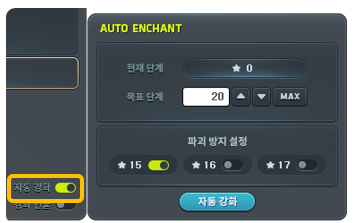
In particular, I began reading about Star Force before enhancing my equipment. I had initially assumed that more stars were always better, but I learned that enhancement costs and the possibility of failure also needed to be considered. Rather than trying to enhance every item to a high level without a plan, I began distinguishing between the equipment I needed to use now and the pieces I would replace later.
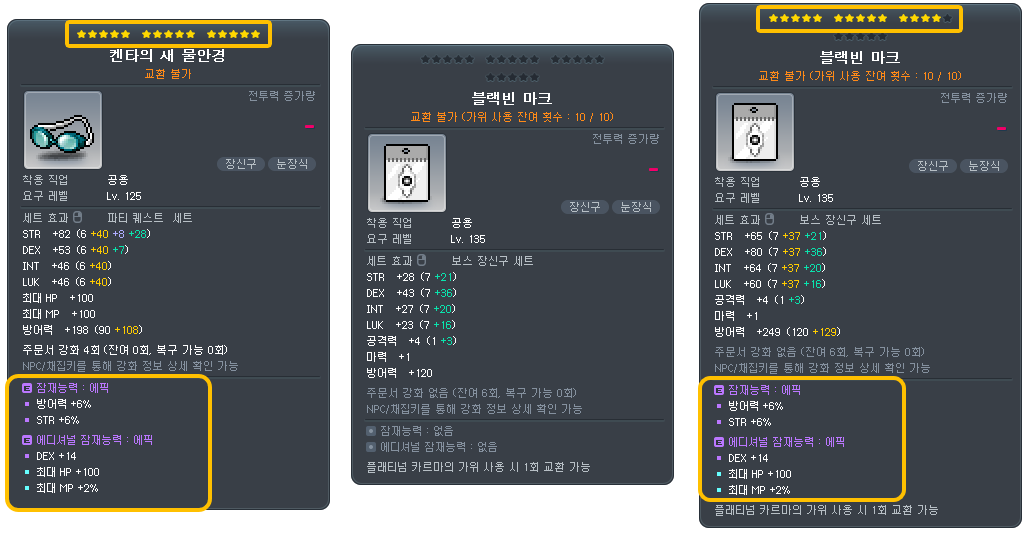
Learning about equipment transfer also helped. I had been reluctant to replace equipment I had put considerable effort into enhancing, since I thought upgrading to a higher-tier item would mean losing my entire investment. Once I learned that some enhancement values and stats could be carried over, the equipment progression path became easier to understand. From then on, I planned my setup around both the equipment I needed immediately and the items I would eventually move on to.
After learning the basic rules from the official guide, I turned to community resources and other players’ equipment. I compared the items commonly used by players of my class, the stats they prioritized on weapons and secondary weapons, and the slots they invested in first. Rather than copying one person’s setup exactly, I looked for common elements across several players’ equipment choices.
The most useful part of examining other players’ equipment was being able to compare it with my own and identify weaknesses. Instead of focusing only on Combat Power or stat totals, I could work through my equipment slot by slot, checking where Potential was lacking, whether set effects were active as intended, and which pieces were still at too low an enhancement level.
I also regularly read community posts asking for equipment advice. When players at a similar stage of progression shared screenshots of their equipment and asked what to replace next, the replies helped me understand which upgrades to prioritize. Even without asking questions myself, I learned a considerable amount from other players’ questions and the answers they received.
Still, I tried to judge community advice against my own circumstances rather than follow it exactly. Even players of the same class differ in their available mesos, current equipment, and the content they want to tackle. Someone aiming for higher-tier bosses needs a different setup from someone who prefers casual hunting and enjoying the story. I therefore compared several guides, identified their common recommendations, and started with the changes I could make using my available resources.
Previously, whenever I acquired mesos, I would replace whichever piece of equipment caught my attention or attempt an enhancement. Once I had done some research, however, I began setting priorities. I first checked slots that made a noticeable difference, such as my weapon, then looked for gaps in my set effects before reviewing Potential and Star Force in that order. Following a clear sequence made my character’s progress more noticeable, even with the same amount of resources.
Features such as equipment presets also made my setups easier to manage. Hunting and boss encounters can call for different equipment or settings, and preparing separate combinations in advance reduced the need to change everything individually each time. I knew little about these features at first, but learned about them through the official guide and examples of how other players used them.
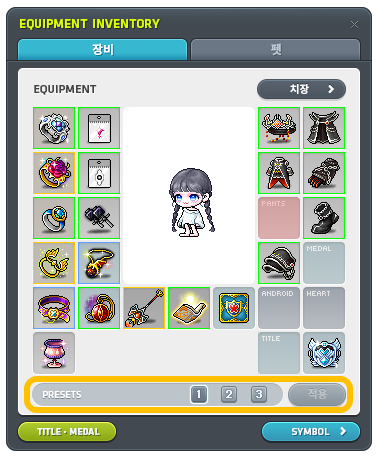
I found equipment information easy to look up in MapleStory, but not because any single website had every answer. The official guide explained the precise rules of each system, while character searches and community posts showed me how players applied those rules to their equipment choices. These sources served different purposes, which made them more useful together than on their own.
This experience taught me the value of researching first, particularly when equipment decisions involve both time and money. Had I bought or enhanced items without understanding them, I might have wasted resources replacing them later. By learning the basic principles from official information and comparing real examples of equipment setups, I could at least understand why I was choosing each item as I progressed.
Ultimately, the enjoyment of building an equipment setup in MapleStory was not limited to obtaining a good item. Researching what I needed, comparing my setup with other players’ choices, and making changes one piece at a time to suit my circumstances were also important parts of the experience. What stayed with me was the gradual understanding that came with that research, as a system that had initially seemed complicated began to make sense.
These are the main points from my experience.
The official guide was useful for checking the basic rules of systems such as Star Force and equipment transfer.
Comparing other players’ equipment helped me identify commonly used stats and approaches to building a setup.
Community equipment advice helped me understand which upgrades to prioritize at a similar stage of progression.
Adapting guides to my available resources and goals was more important than following them exactly.
Researching equipment before building my setup reduced unnecessary trial and error as I progressed.
When choosing equipment in a game, do you turn to official guides or community resources more often? If you have played a game where equipment information was particularly easy to find, or used a helpful guide website, please share your experience in the comments.
![[피크 챌린지] 짧게 접속해도 성장 흐름이 이어지는 메이플스토리](https://peak-file.nexon.com/uploads/20260726_0428_f8e72ba8.jpg)
![[피크 챌린지] 마비노기 모바일, 더운 날 떠오르는 춥지만 따끈했던 크리스마스 이벤트](https://peak-file.nexon.com/uploads/20260620_1125_fd058e5c.png)
![[피크 챌린지] 모비노기가 알찬게임이 됬으면 좋겠습니다.](https://peak-file.nexon.com/uploads/20260724_0842_02a5ab19.jpg)
![[피크 챌린지] 사냥보다 양털 깎다가 더 오래 머문 게임, 마비노기](https://peak-file.nexon.com/uploads/20260728_1239_269f724d.png)