[PEAK Challenge] The Claymore’s classic thrill—hit, wait, then chain two strikes back-to-back
자경씨
![[PEAK Challenge] The Claymore’s classic thrill—hit, wait, then chain two strikes back-to-back](https://peak-file.nexon.com/uploads/20260703_0509_d19b5c09.png)
This post is currently participating in the [Nexon PEAK Post Challenge].
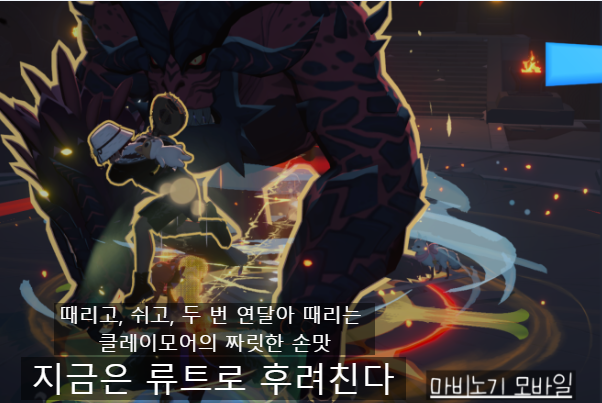
Hit once, wait a second, then swing again. If you did it right, even with the slow two-hit Claymore, you could squeeze out three hits. On top of that, the monster would get pushed back or knocked down. That was your cue—freeze them with Ice Bolt! Then bring the Claymore back up: one hit, pause, then two more hits. What am I talking about? The classic 국룰 control of Mabinogi Online. The feel of combat in Mabinogi Online was sensational, plain and simple. And the Claymore was 국룰 too, because you could wear a Ribble scabbard on your back.
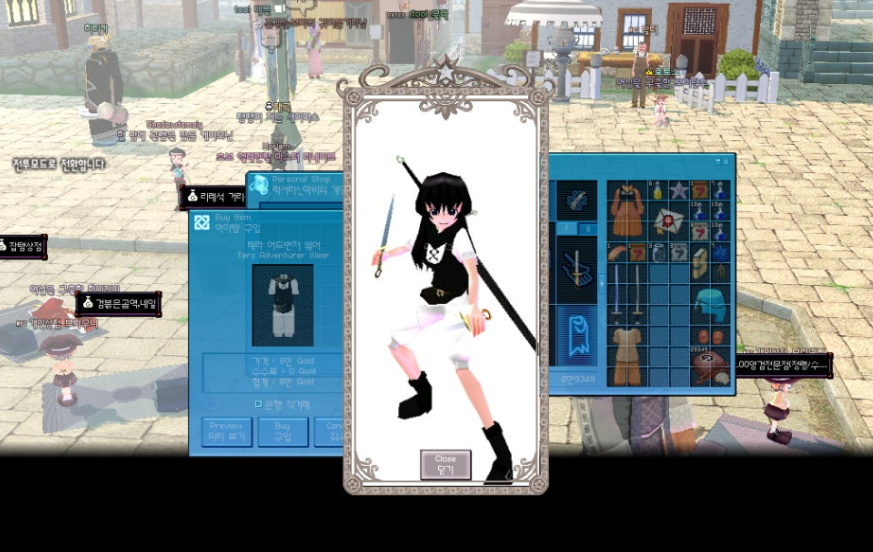
A young player’s thrilling combat memories, Mabinogi Online
Mabinogi Online basically had a rock-paper-scissors system. Not that you literally played rock-paper-scissors, of course—it’s just the easiest way to explain how the skills interacted. I vaguely remember the game itself using rock-paper-scissors as an example too, though I can’t swear that memory is right. Defense couldn’t be broken by normal attacks, but Smash could break it, and if someone charged in with Smash, normal attacks could beat that. And if the opponent came in with normal attacks, Defense could stop them. So you watched what skill the other side was using and responded with your own. Opponent using Defense? Then I use Smash! Opponent using Smash? Then I use normal attacks! Opponent using normal attacks? Then I use Defense! (Of course, if you had no stamina or mana left for skills... well, what could you do? You died.)
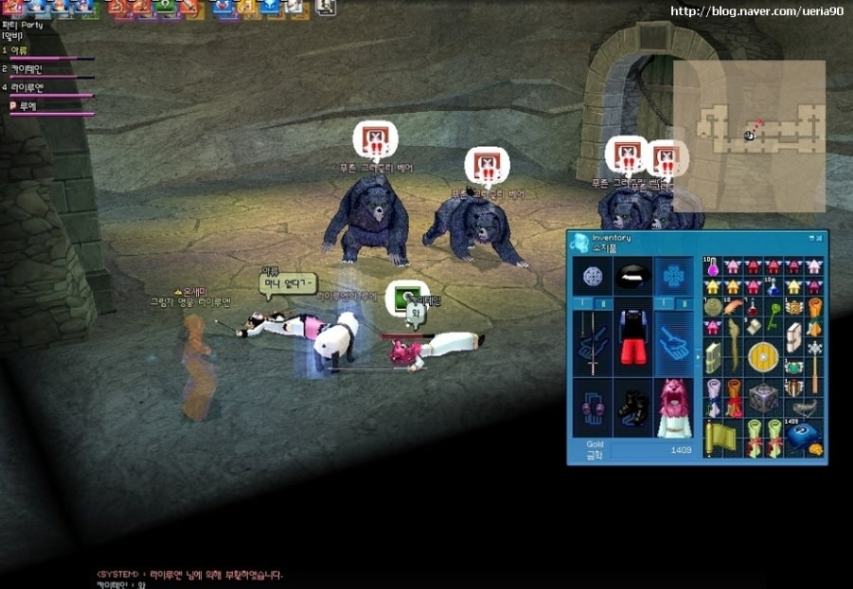
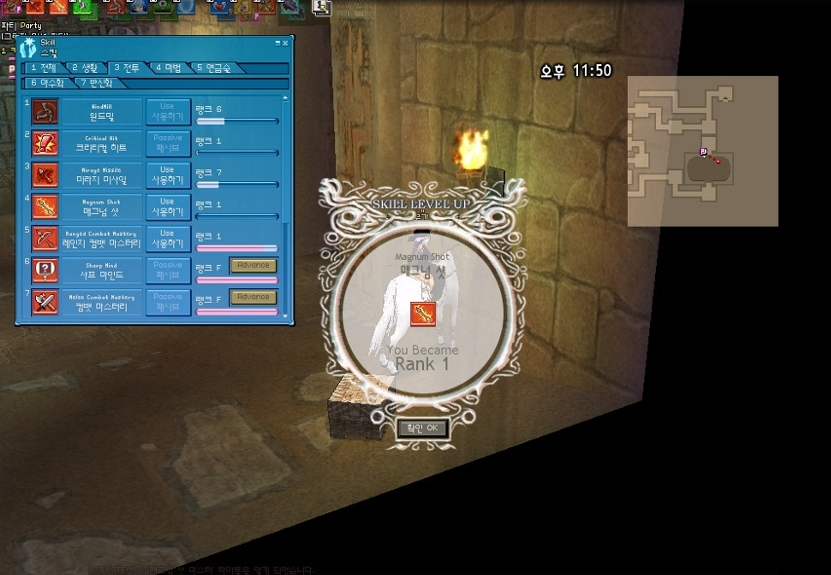
Users or monsters using Defense could only walk, while users or monsters using Smash could run. Users or monsters using normal attacks didn’t show a visible skill-casting motion at all. It was a combat system that hinged on reading what the other side had “thrown,” almost like rock-paper-scissors. On top of that, there were no classes and no limits on learning skills, so even while using a greatsword like the Claymore, you could still pressure enemies with Ice Bolt. It really was the golden age of hand-feel combat. (It was totally normal to have the warrior skill Windmill and the archer skill Magnum Shot together in the combat tab at the same time.) Come to think of it, in Mabinogi Online you could directly control your pet in battle too. My horse was ridiculously strong.
I can’t really say what Mabinogi Online is like these days, so it’s hard for me to talk about the current version, but up until around 15 years ago, this was what it felt like. In my memory, Mabinogi Online is still the game with the most exhilarating combat feel I’ve ever played. I still remember how much I practiced that Claymore timing in particular—one hit, pause, then another. But monster gimmicks were something you could eventually memorize, so there was something even more thrilling: the Arena Dungeon you could enter through Alby Dungeon. Since it was a player-vs-player battle arena, you had to read your opponent’s gimmicks even more carefully there.
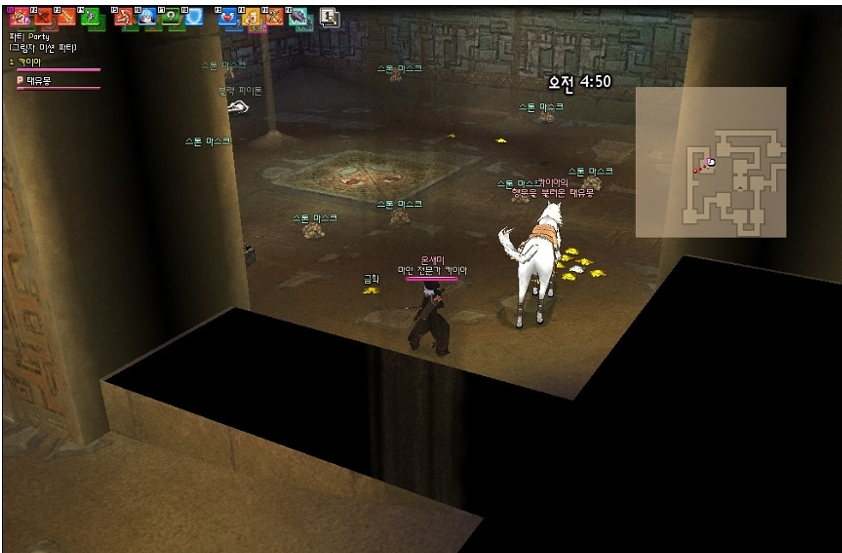
I just don’t have the stamina to fight everything manually anymore!
My ideal compromise, Mabinogi Mobile
BUT right now I’m a Mabinogi Mobile player. Since it shares the same IP as Mabinogi Online, there’s still freedom in class choice, but once combat starts, you can’t switch classes and fight that way. Of course, even back in Online, it wasn’t like you could put away your sword and suddenly pull out a bow in the middle of battle. Still, there’s a real difference between being limited to class skills and having no class system at all, where one player can use every skill. In return, though, this game has a different kind of fun: the gimmicks in Abysses and raid bosses. Unless you’re absurdly overpowered and can just steamroll everything with damage, you actually have to think through how to clear each boss.
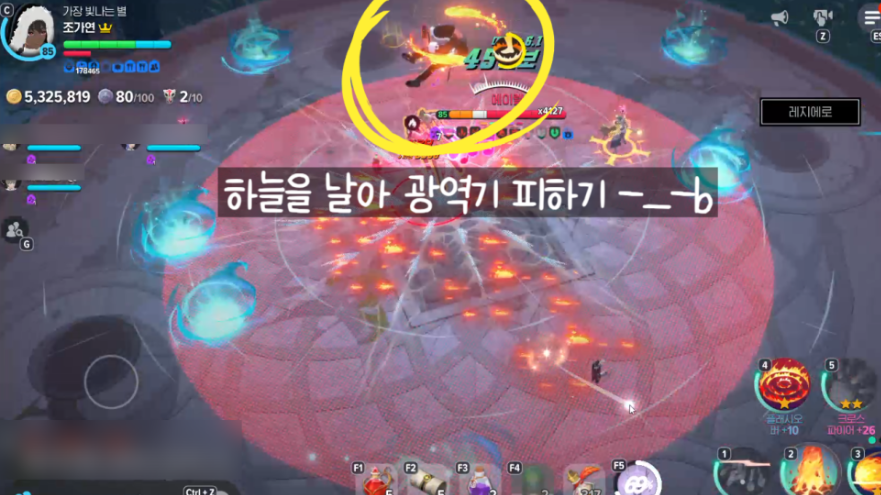
Recently, Rundal Abyss opened. You have to decide which of the appearing stone statues to hit first, then attack in that order, and you have to dodge quickly so the incoming airship doesn’t crash down on you. When you enter the White Succubus’s dream, each player has to use interrupt skills to put on the brakes, and with one of Runda’s bosses, you have to run all over the floor to win a bingo game. In the raid called Eirel, you have to find a whirlwind so you can launch yourself into the air, and for the ensemble section, you have to move your fingers fast to find notes 1, 2, and 3 and chain the combo.
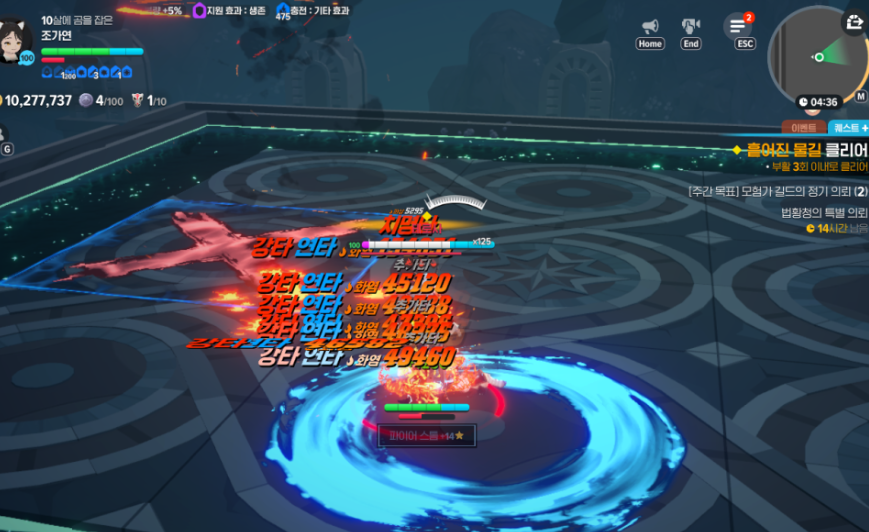
My most thrilling memories are in the past, but now that I’m 15 years older, I can feel the limits of my stamina when it comes to direct control, so I’ve settled on Mabinogi Mobile as a compromise between convenience and manual play. It fits where I’m at now, because it’s the kind of game where you can leave some things to the system, but when the player really needs to move—when it’s time to take control—you still have to move for yourself. On top of that, Mabinogi Mobile also has side games.
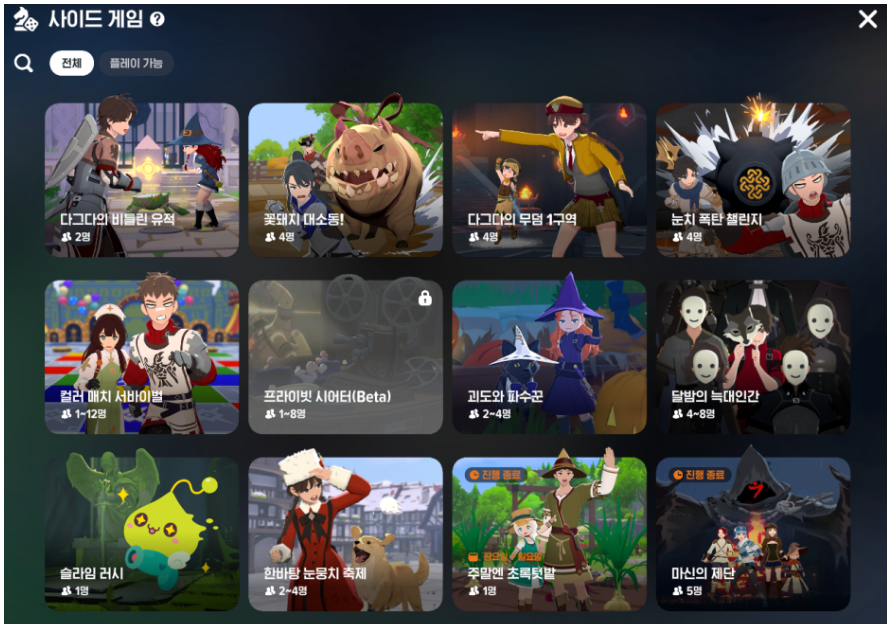
Since they’re minigames, I have to control everything myself there. In the Snowball Festival, when you’re in a snowball fight, you have to dodge the snowballs; when you go to Dagda’s Tomb, you have to press up, down, up, up, down in rhythm and in order for the dance battle with Letman; at the Demon God’s Altar, you have to avoid the Demon God, use items, weave around, and light the campfire. The biggest strength is that these built-in minigames can fill in that missing hand-feel. I’ve done my best to introduce it all, so now I’m off to play Mabinogi Mobile again today. Enjoy your games, everyone!
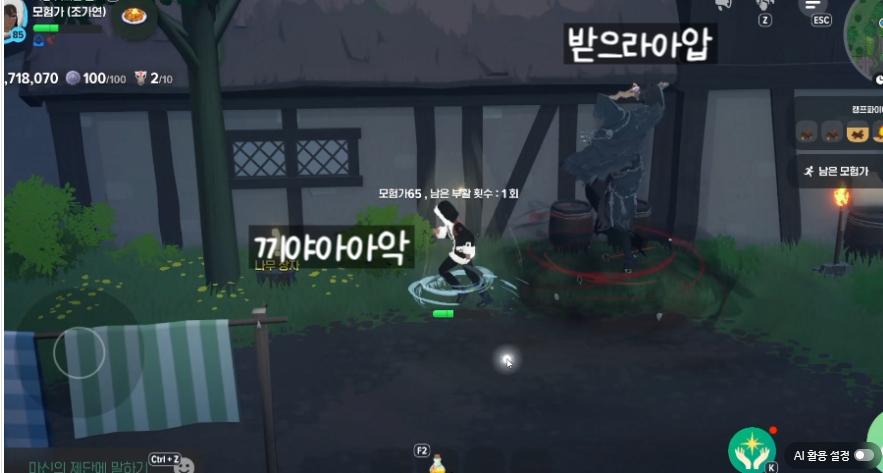
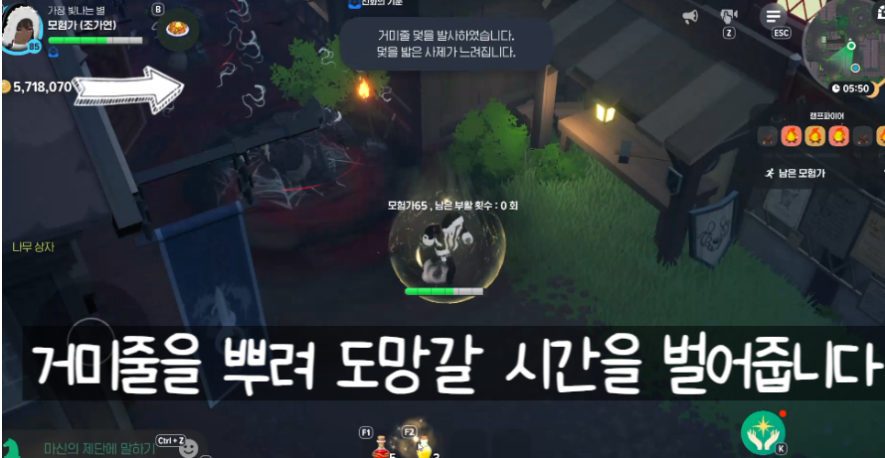
So today as well,
I hope everyone reading this finds a little happiness,

![[피크 챌린지] 마비노기모바일 복귀를 원한다면 바로 지금](https://peak-file.nexon.com/uploads/20260617_0401_49135811.png)
![[마비노기 모바일] RPG 즐길 거리 성향 선택 가이드: 전투의 도파민부터 생활의 힐링, 커뮤니티의 즐거움까지](https://peak-file.nexon.com/uploads/20260911_0555_739059de.png)
![[피크 챌린지]게임 속 인상적인 빌런을 잡으러 가봤습니다.](https://peak-file.nexon.com/uploads/20260618_1237_fa2a510f.jpg)
![[피크 챌린지] 솔로플레이 하기 좋은 모바일 마비노기](https://peak-file.nexon.com/uploads/20260626_0631_6fe1ba8d.webp)