Types of DNF Mobile Communities
네오필
Community is a driving force behind what makes games enjoyable.
Like-minded people gather to chat and sometimes set aside time to play together.
DNF Mobile has several types of communities, too. Here is a quick look at them.
Friends and Guilds
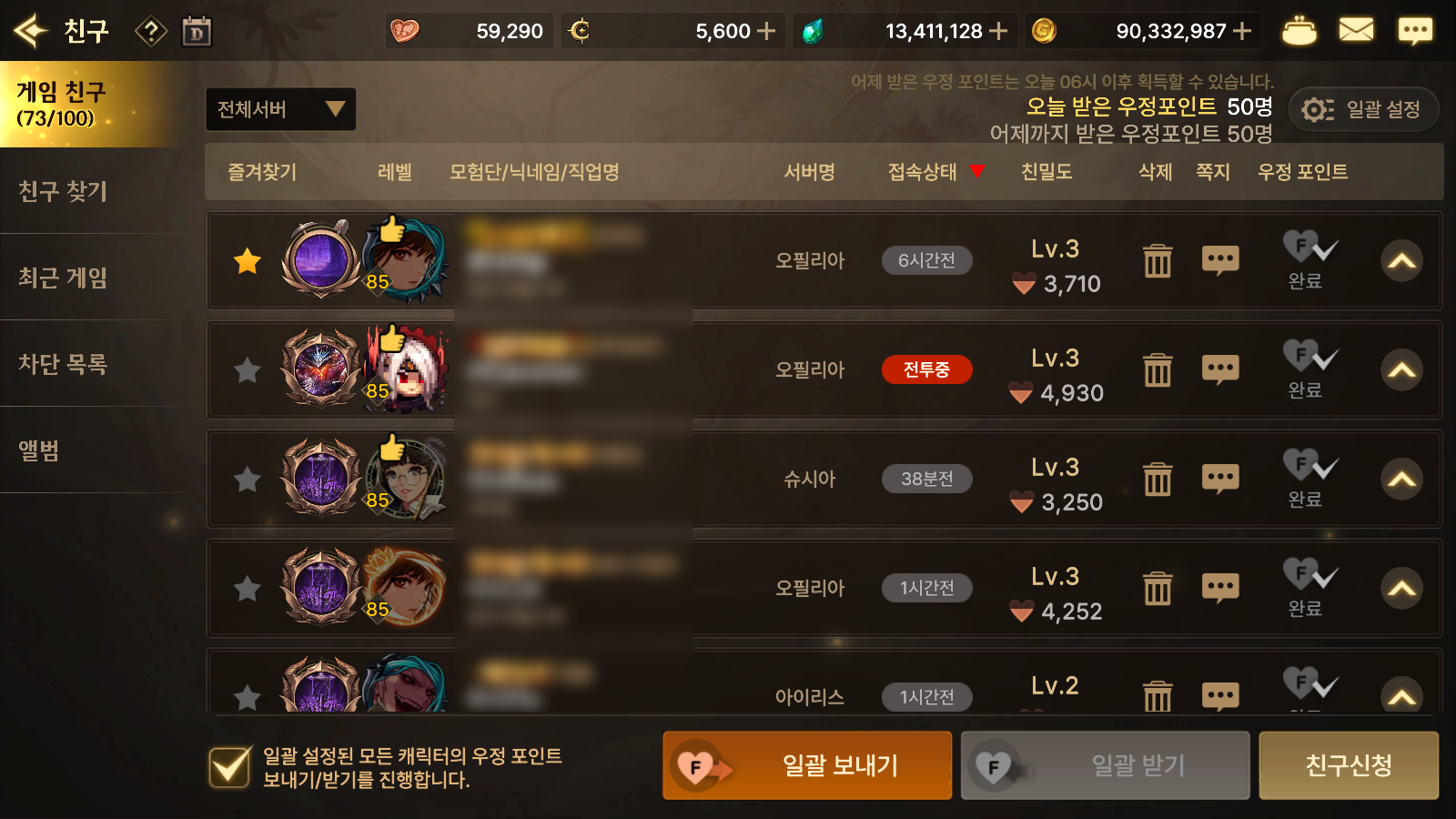
Most games have friend and guild systems, though the details vary with each game's style. DNF Mobile is built around short, focused sessions that you can fit in anytime, anywhere without much commitment. Its friend and guild systems reflect that approach.
You can add up to 100 friends per character, send Friendship Points to 40 of them each day, and receive points from 20. Conveniently, you can also send and receive Friendship Points across all the characters on your account at once.
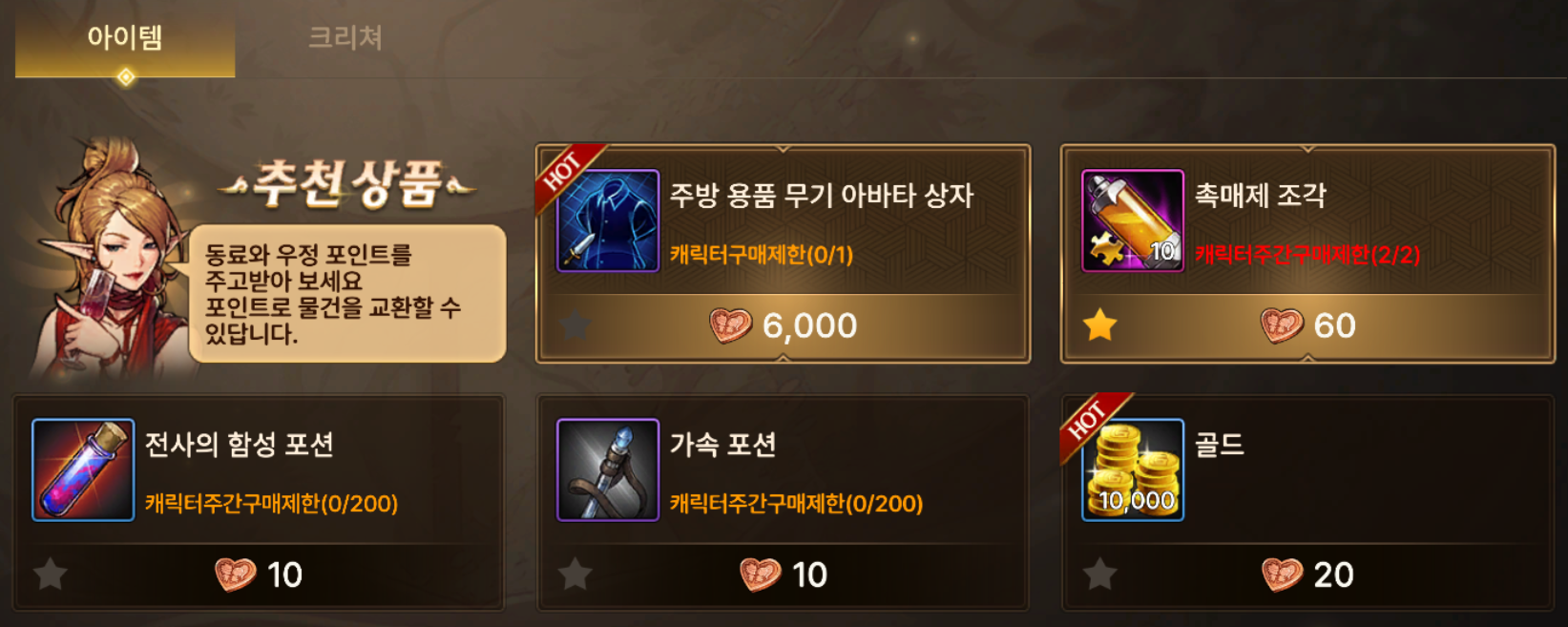
These Friendship Points can be saved up to buy useful items such as catalyst fragments, potions, and gold, so players sometimes call them an emergency fund or a savings account. There is something satisfying about checking your balance after a while and discovering how much has quietly built up.
That is why it is worth adding at least 40 friends as soon as you create a character. When new characters arrive, as with the recent Male Striker and Male Brawler updates, world chat can fill up with players looking for friends.
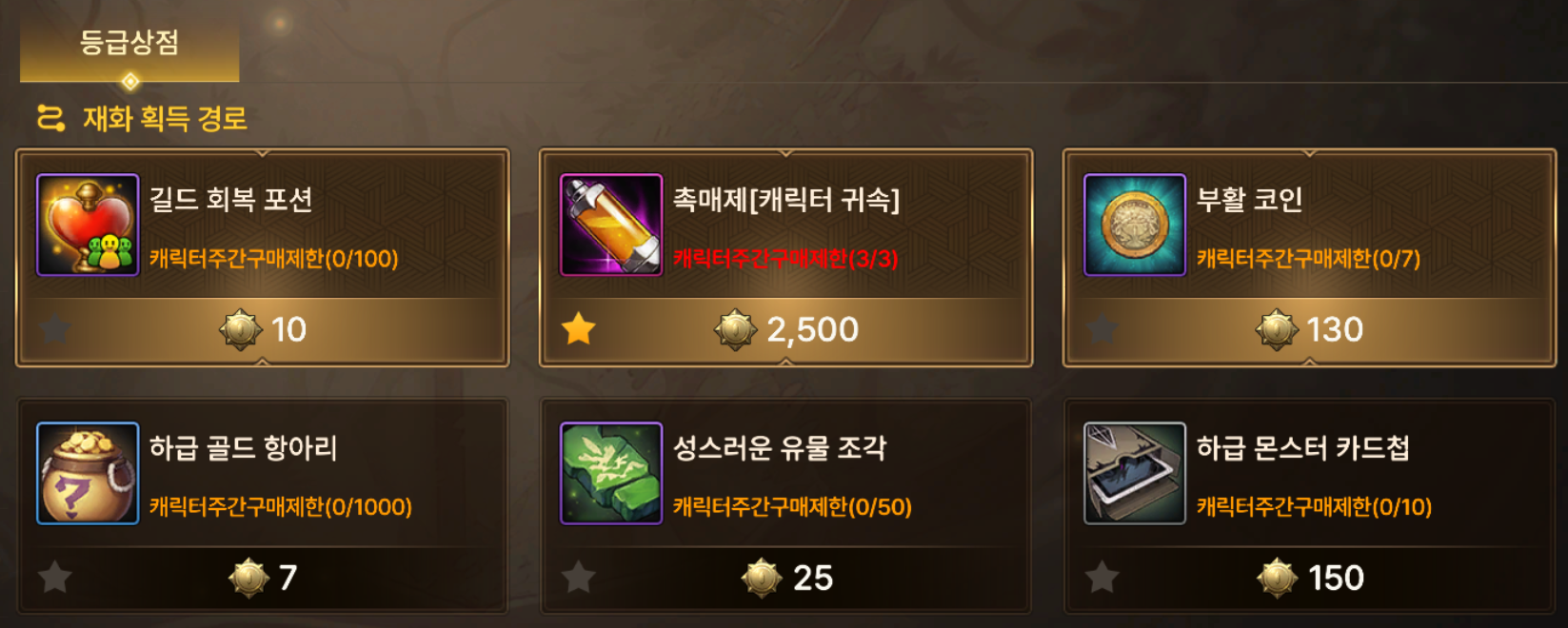
Joining a guild is worthwhile for much the same reason. Running dungeons as a guild member—in other words, spending Fatigue Points—earns you Contribution Coins based on the amount spent. You can save these coins and exchange them for catalysts, making guild membership practically essential.
Still, joining a guild does not mean you have to participate in any particular content. Plenty of open-membership guilds also approve applications immediately, so there is little pressure involved.
Open Chat Rooms

My guild runs a separate open chat room.
We share patch notes and developer notes from the official website, post useful tips, and team up for raids and disaster dungeons. We also chat about everyday life.
You are welcome to join and just read along without saying anything, so it is fairly low-pressure. Of course, expectations will vary from guild to guild.
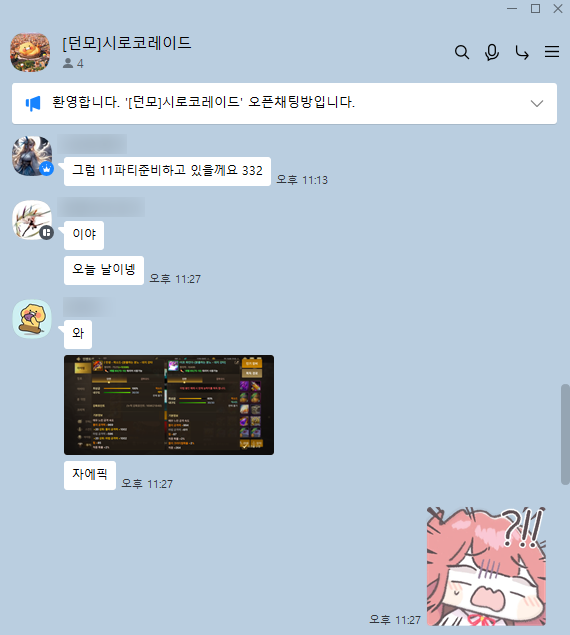
I also belong to an open chat room for a static party.
Longtime DNF Mobile players tend to have many characters to play, so they form static parties in advance to spend less time recruiting. They arrange a time to meet and quickly clear raids and disaster dungeons together.
The Official Website and Activity Badges
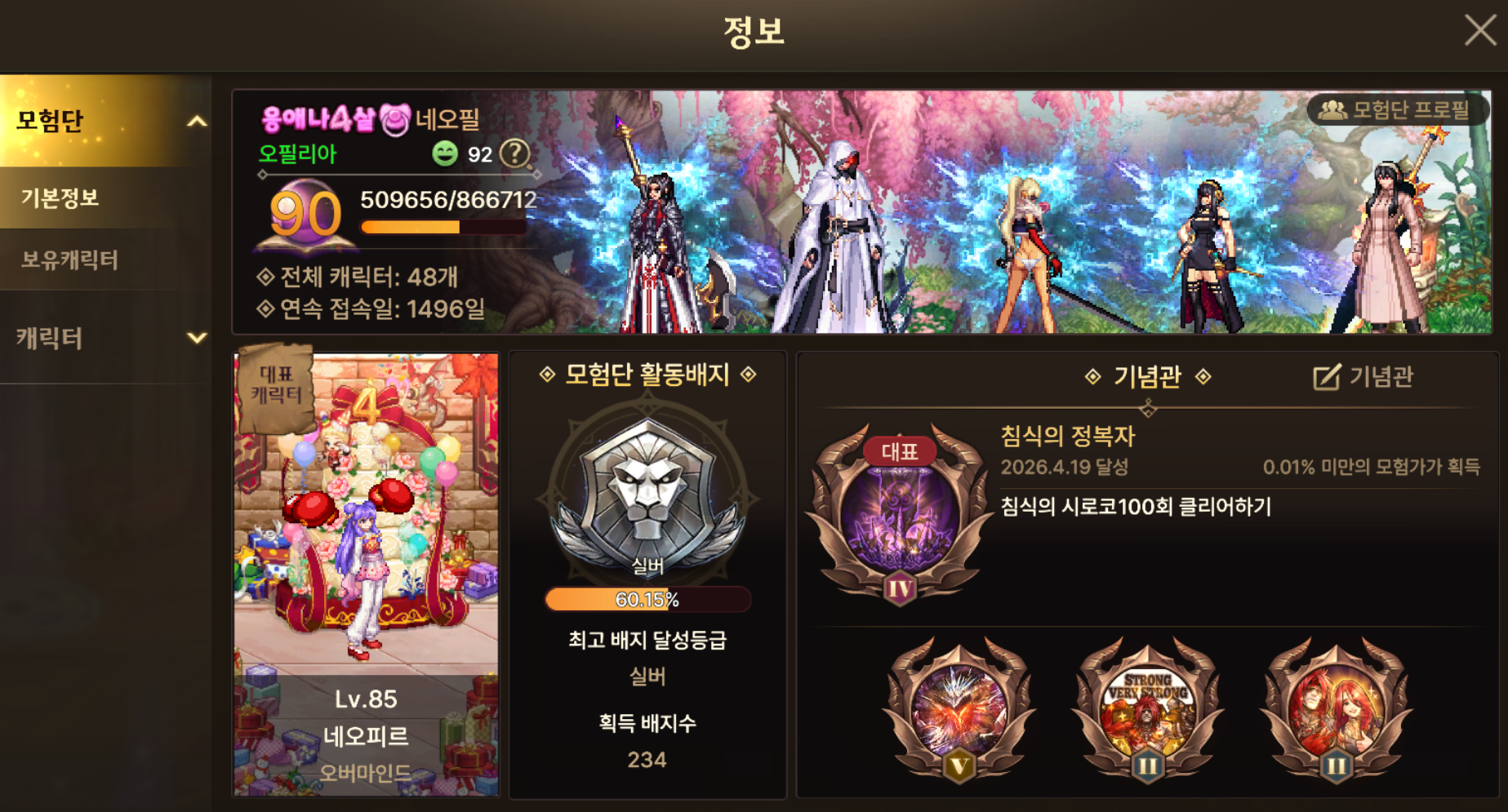
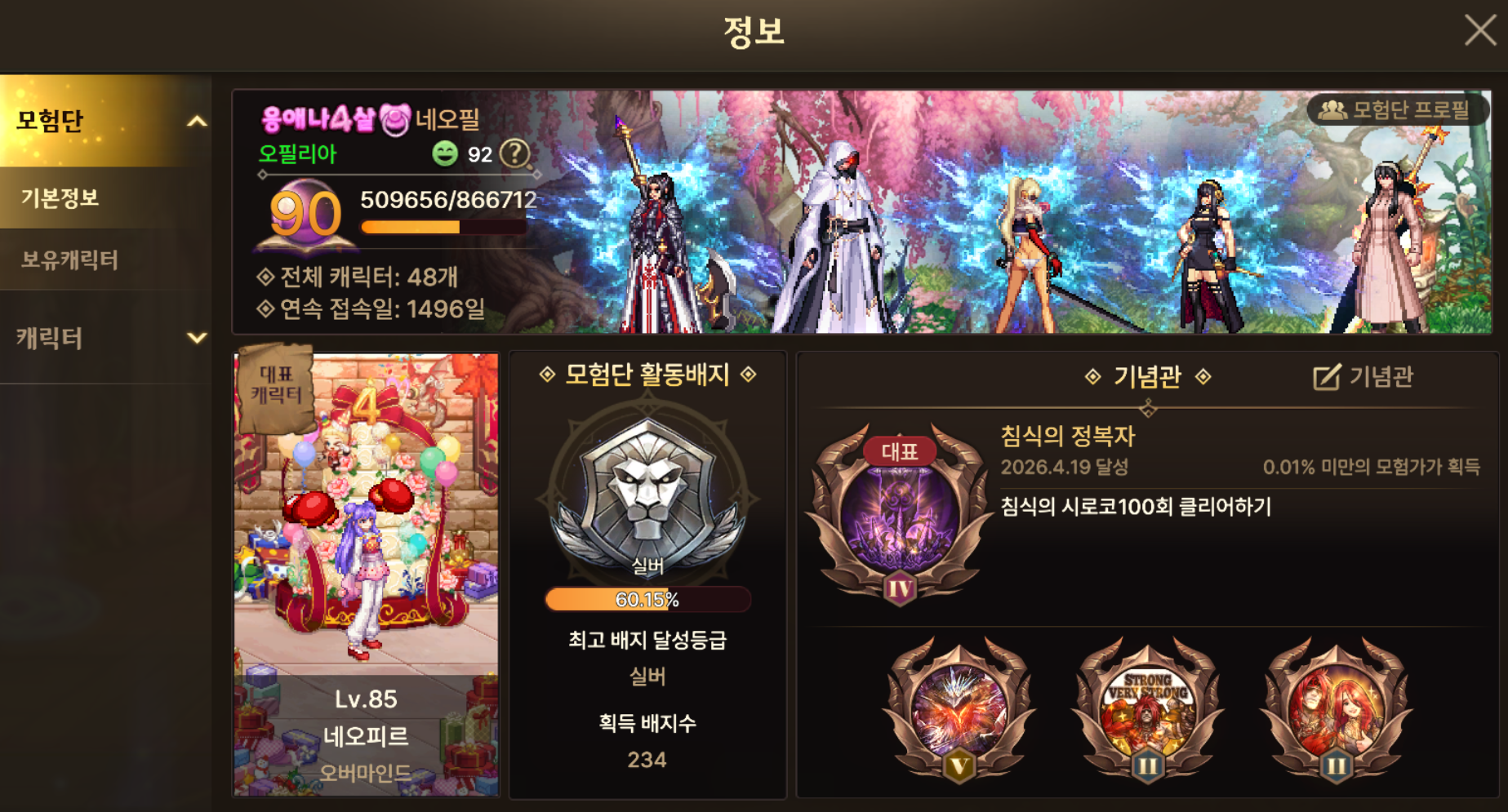
DNF Mobile also has Adventure Team Activity Badges.
These work like an achievement system, letting you display a badge of your choice on your main profile screen.
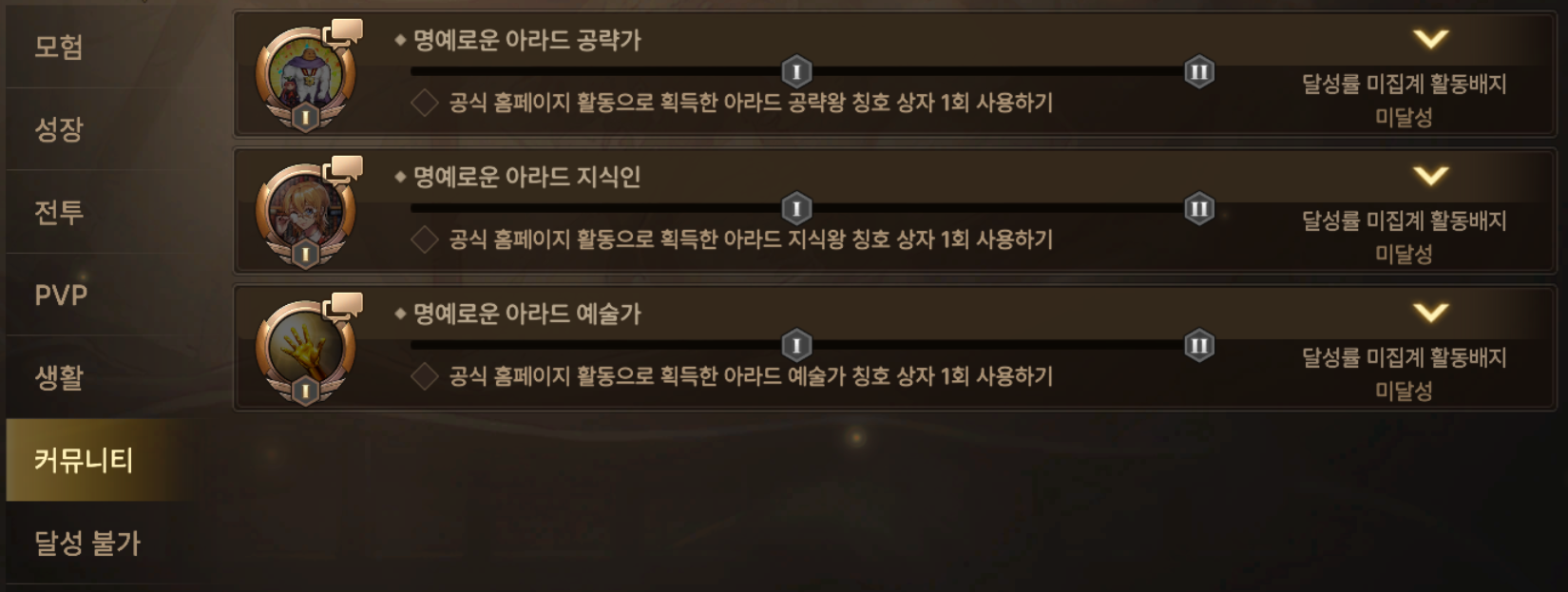
Some activity badges are earned by participating in the community on the official website.
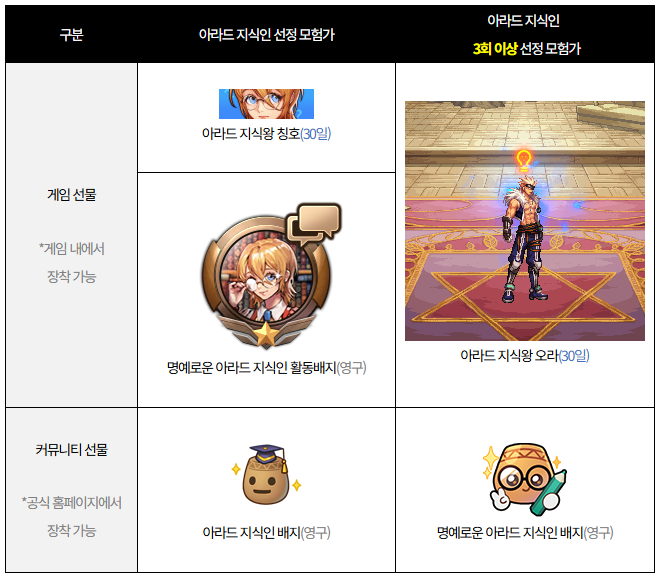
Helpful answers on the questions board can earn you recognition as an Arad Expert;
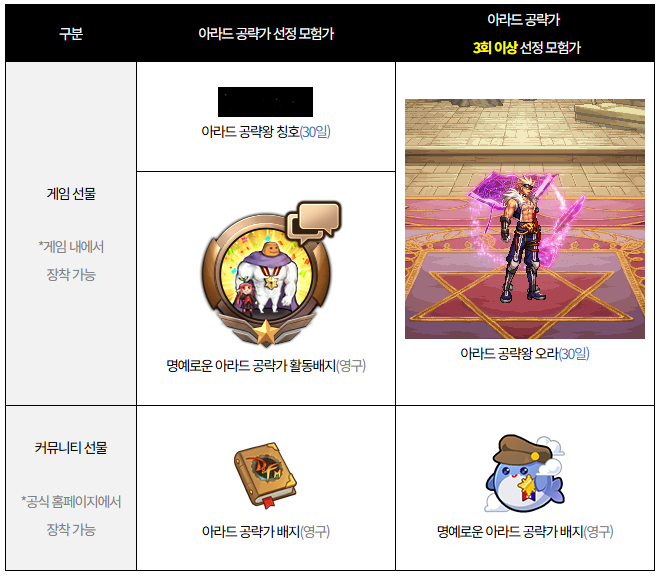
well-written guides can get you selected as an Arad Guide Writer;
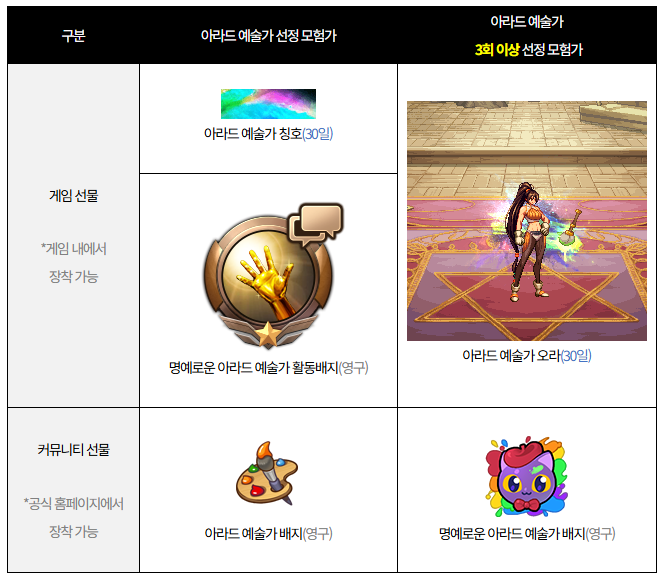
and impressive creative work can earn you recognition as an Arad Artist.
Those selected receive a special title and activity badge. Anyone selected 3 or more times also receives a special aura. The official website community sometimes awards separate badges that you can equip in-game, too.
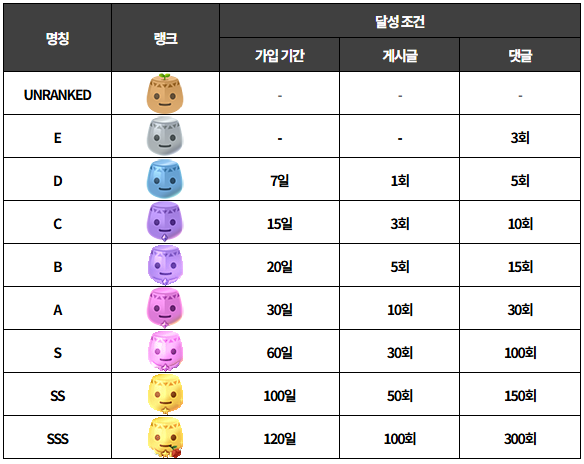
Alongside this, your community rank increases with your activity, and your standard Danjin face icon can be upgraded all the way to a golden Danjin.
This does not directly reward you with in-game items, but progressing through the ranks is enjoyable in its own right, much like playing a game. More people are making an effort to participate regularly as a result.
Closing Thoughts
Community systems offer practical benefits as well as ways to make the game more enjoyable. I think finding a community that suits you and getting involved can help you get more out of your time in the game. Which communities do you belong to?