How to Keep Your Smartphone Clean: Surprising Things to Avoid
네오필

Research showing that smartphone surfaces can harbor up to 10 times as many bacteria as a toilet is widely cited.
Considering how often we swipe our screens throughout the day while gaming, scrolling through YouTube Shorts, and browsing the web, that hardly seems like an exaggeration.
Even so, fewer people clean their phones regularly than you might expect.
Today, I’ll walk you through how to keep your phone clean without damaging it.
A Basic Cleaning Routine
Before you start cleaning your smartphone, turn it off and disconnect the charging cable.
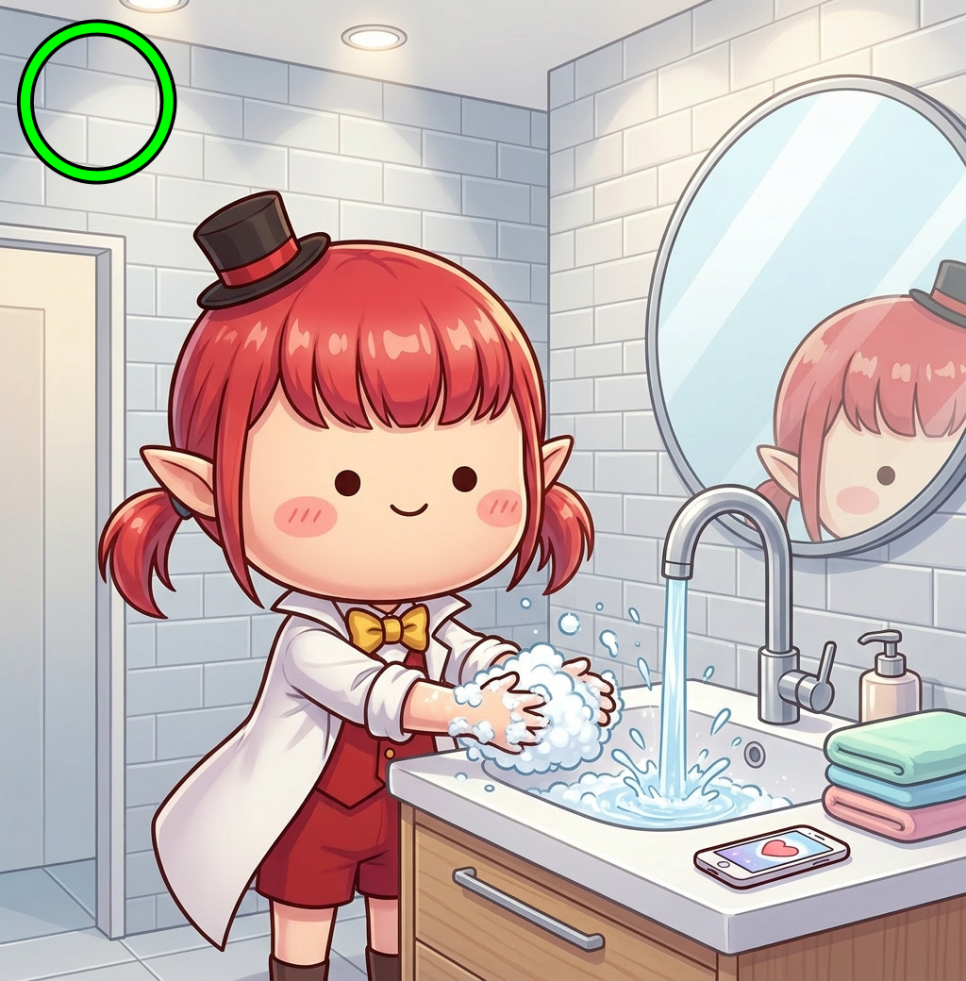
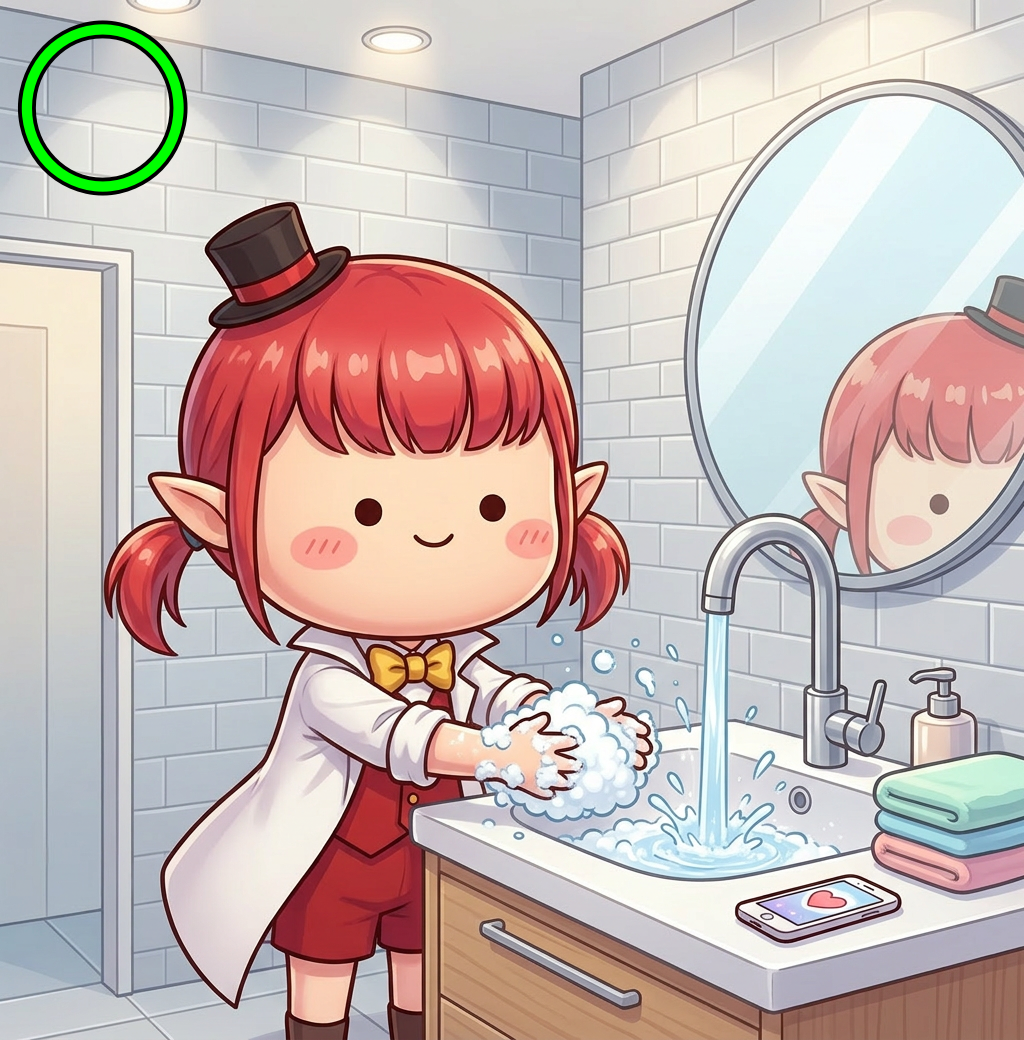
Next, wash your hands with soap for at least 20 seconds and dry them completely. This keeps contaminants on your hands from transferring straight to your phone.
Then, remove the case and wash it separately. For silicone, TPU, or plastic cases, add a mild detergent (a little dish soap) to lukewarm water, rub the case clean by hand, rinse thoroughly, and let it dry completely.


Note the 70% alcohol content. Disinfecting wipes made specifically for electronics are now available too.
For the phone itself, take a dry microfiber cloth and lightly dampen it with 70% isopropyl alcohol or an electronics disinfecting wipe containing 70% alcohol, then wipe the phone clean.
Keep one important precaution in mind: never spray liquid directly onto your phone. Always apply it to the cloth first.
Keep liquid away from the speaker openings and the area around the charging port. Instead, gently remove dust with a dry, soft brush or a dry cotton swab. Finish by wiping the phone once more with a dry microfiber cloth to remove any remaining moisture, then put the completely dry case back on.
In short, remember these three essentials: 70% alcohol + a microfiber cloth + no direct spraying.
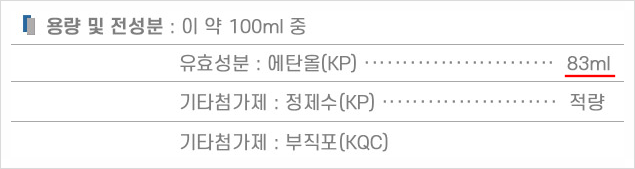
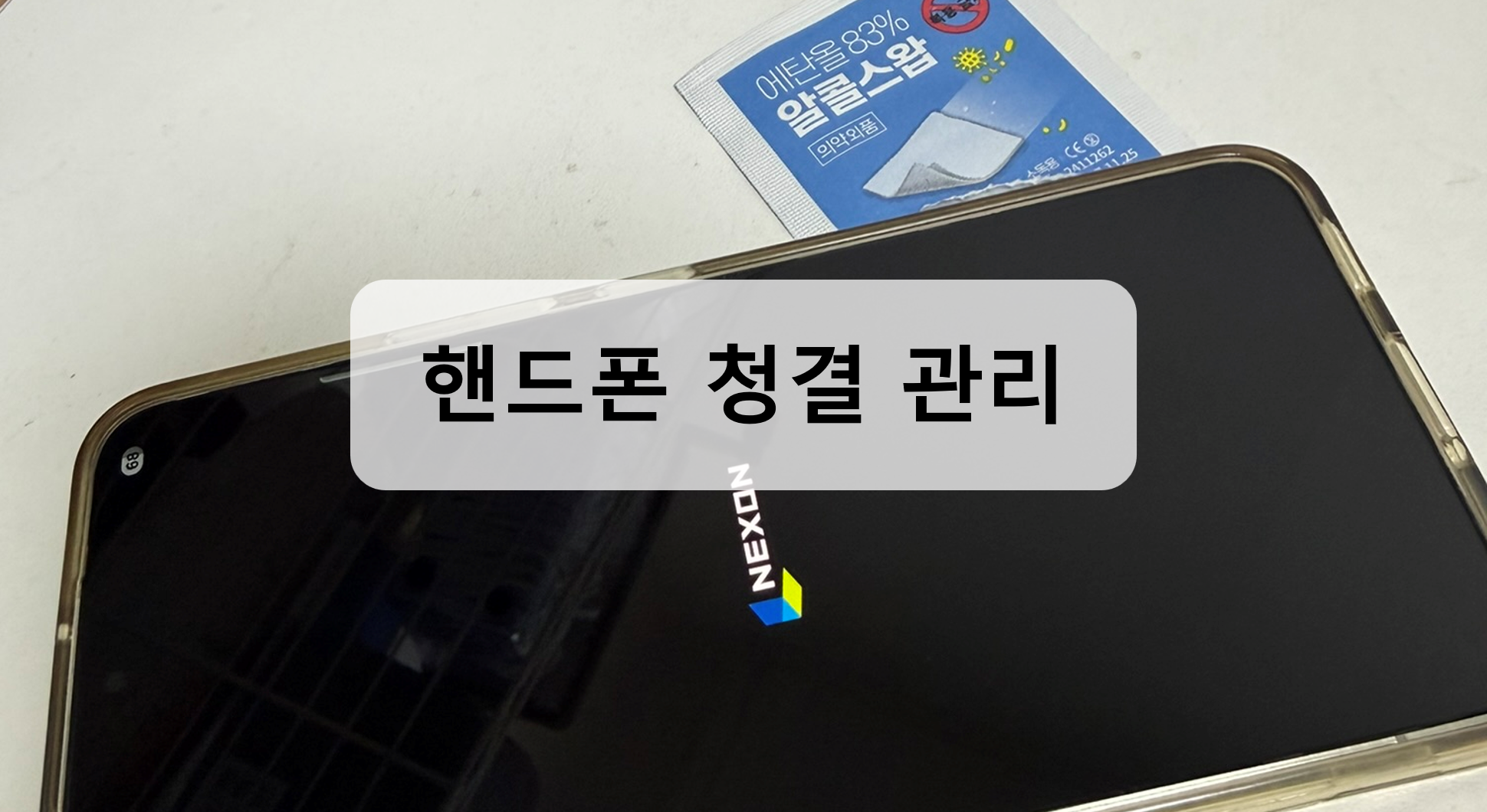
Check the ethanol or alcohol content carefully. This product contains 83%, so use it with caution.
You can also use alcohol pads, which are easy to find online. Pads containing around 60–70% alcohol, such as ethanol, are safe to use.
Avoid concentrations of 80% or higher where possible. Any product can wear away the coating if used too often, so be mindful of how frequently you use it.
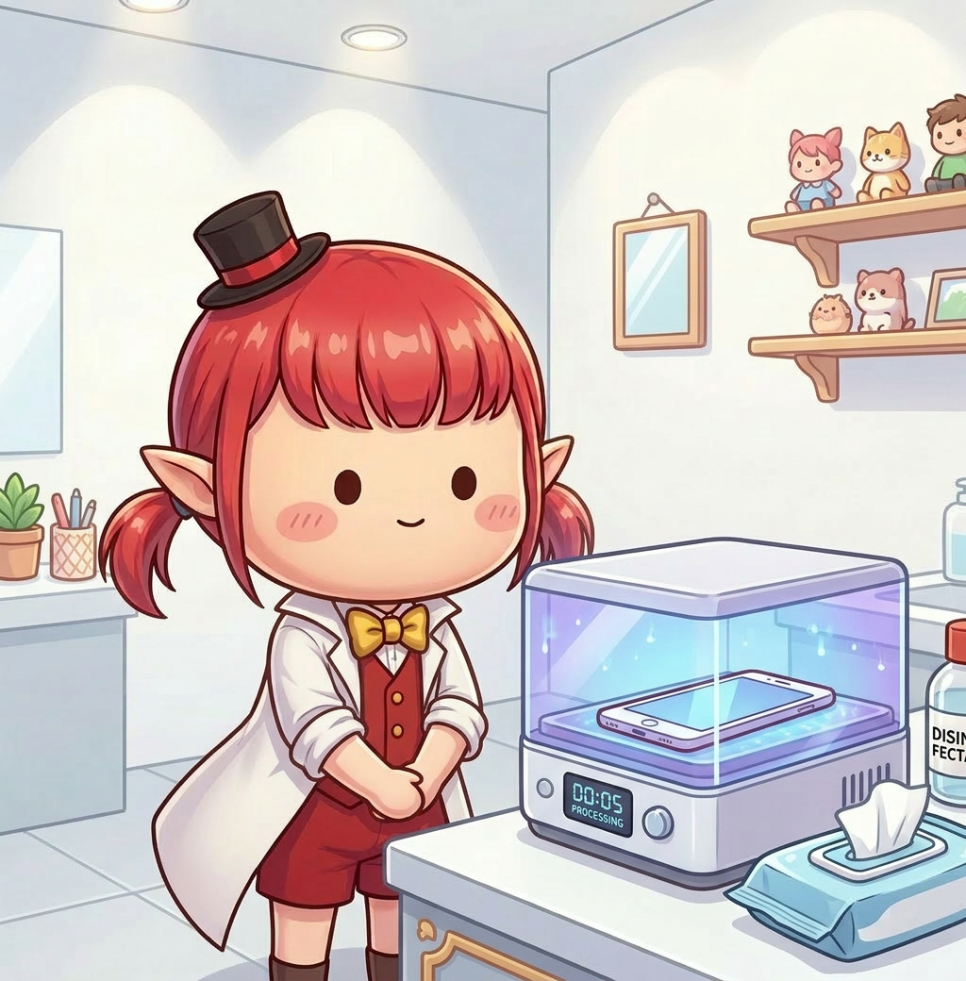
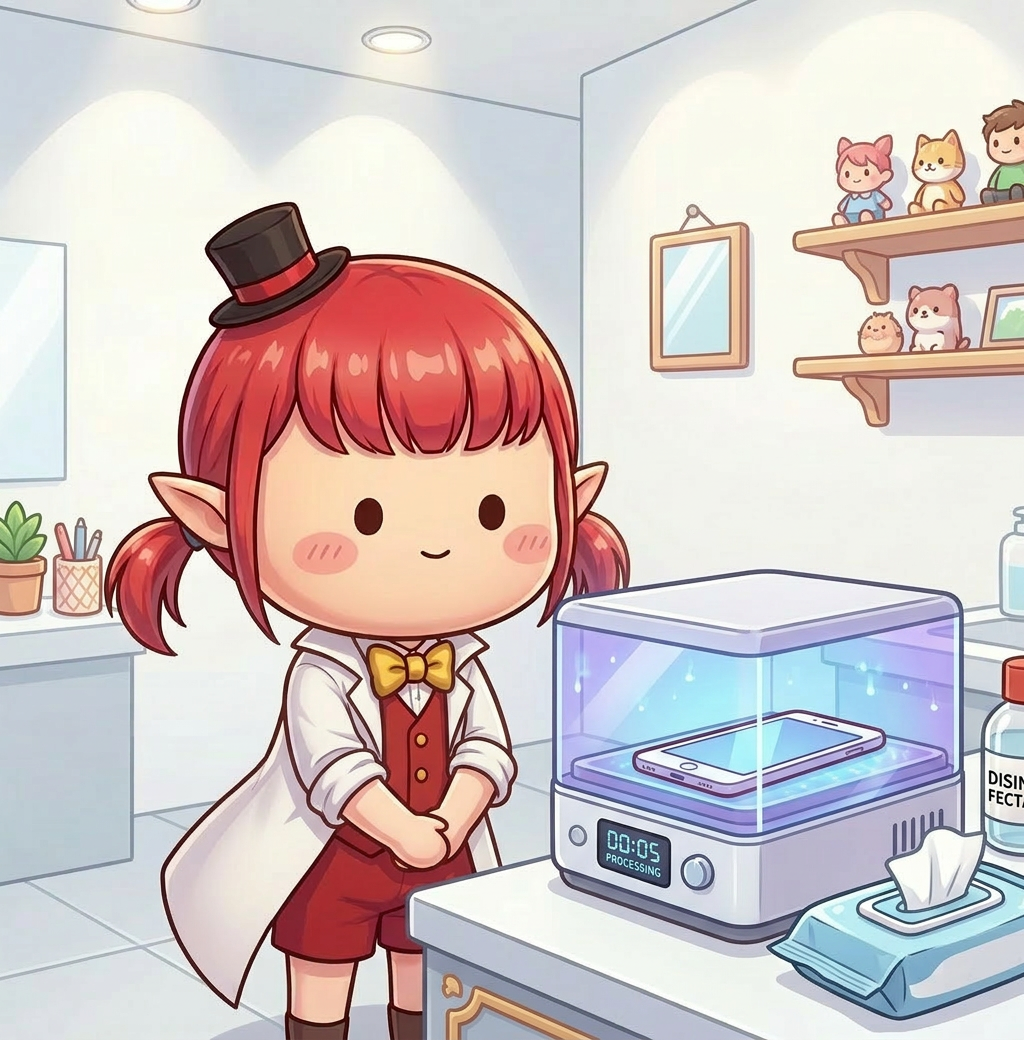
If you want to go beyond the basic routine, consider a UV sanitizer. Before buying one, check that it has KC certification and is backed by verified, official test results.
Using a case with an antimicrobial coating alongside your cleaning routine is another option.
Do not rely too heavily on these tools, though. Focusing on the everyday habits covered below is much more effective in the long run.
Cleaning Methods to Avoid

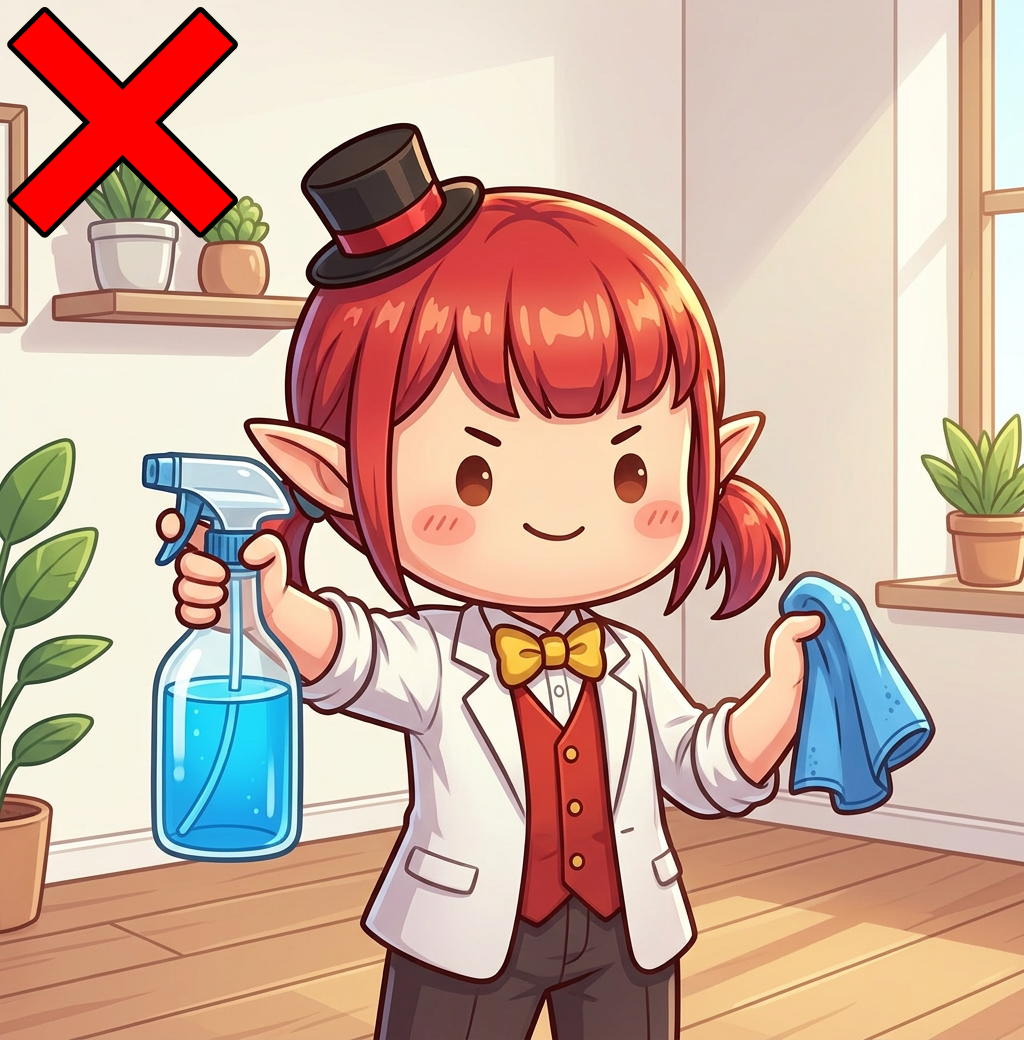
Do not assume glass cleaner is safe just because your phone screen is made of glass.
Cleaning a phone incorrectly can damage it, and this happens more often than you might think.
Harsh chemicals such as bleach, chlorine-based cleaners, glass cleaner, acetone, and ammonia-based cleaners damage the display’s oleophobic coating, leaving the screen looking greasy and feeling less smooth to the touch.
Pouring or spraying water or cleaner directly onto the screen is also risky. Even on a water-resistant phone, liquid entering through ports or microphone openings can cause corrosion or short circuits.

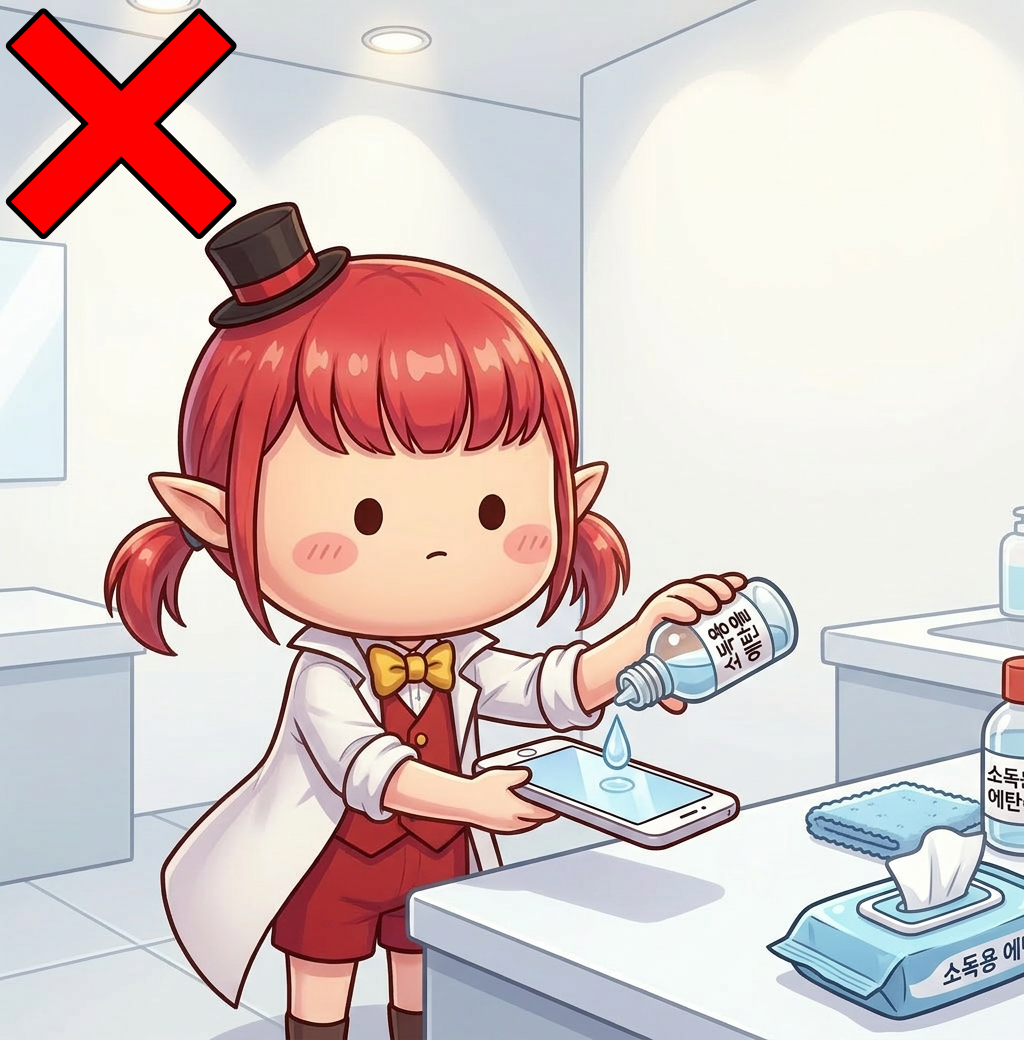
Some people apply gel hand sanitizer to their phones, but avoid doing this. Besides alcohol, it contains moisturizers and fragrances that can leave sticky residue and smudges behind.
Rubbing hard with tissues, paper towels, or the hem of your clothing is also best avoided. The fibers are rougher than you might expect, and fine scratches can build up over time. Pushing wet wipes into gaps to clean them can also cause damage where moisture collects.
Everyday Habits to Avoid

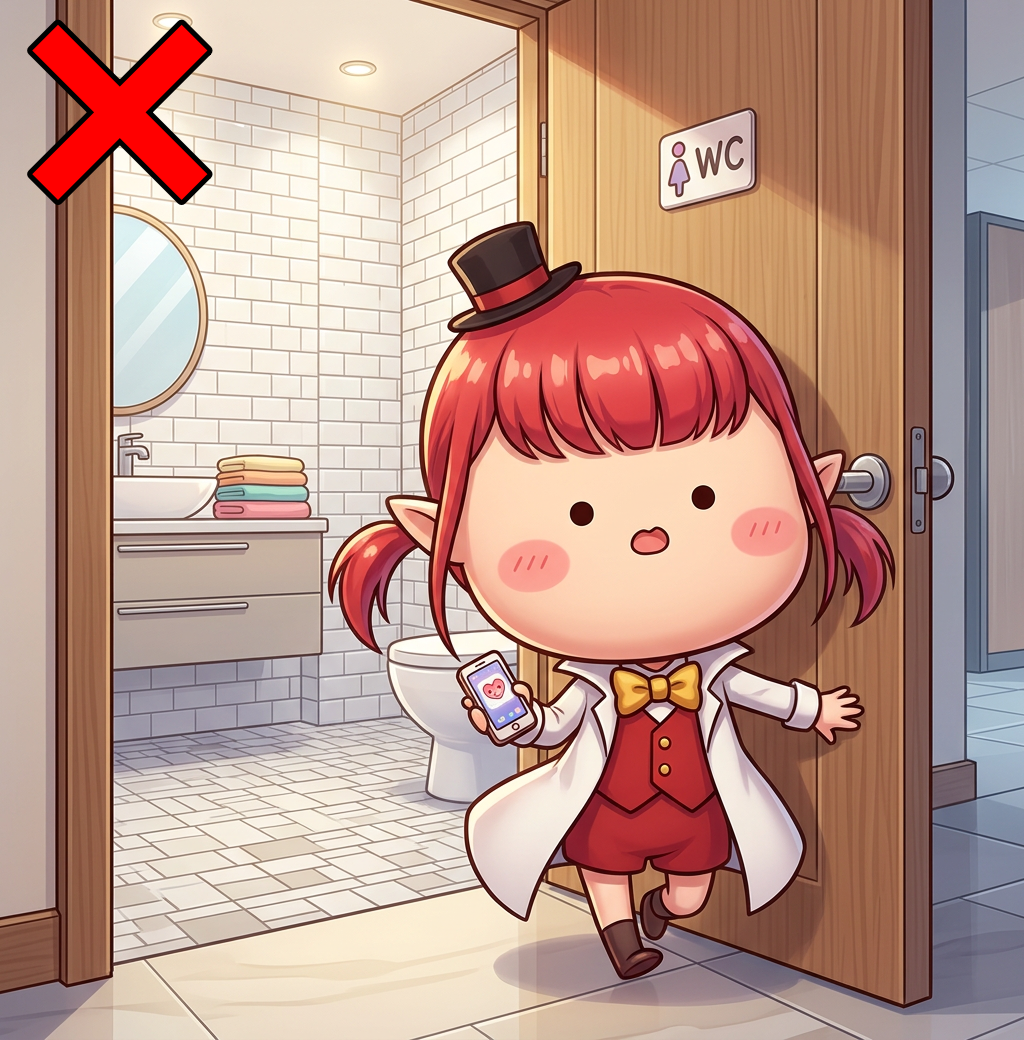
Your everyday habits matter just as much as your cleaning routine.
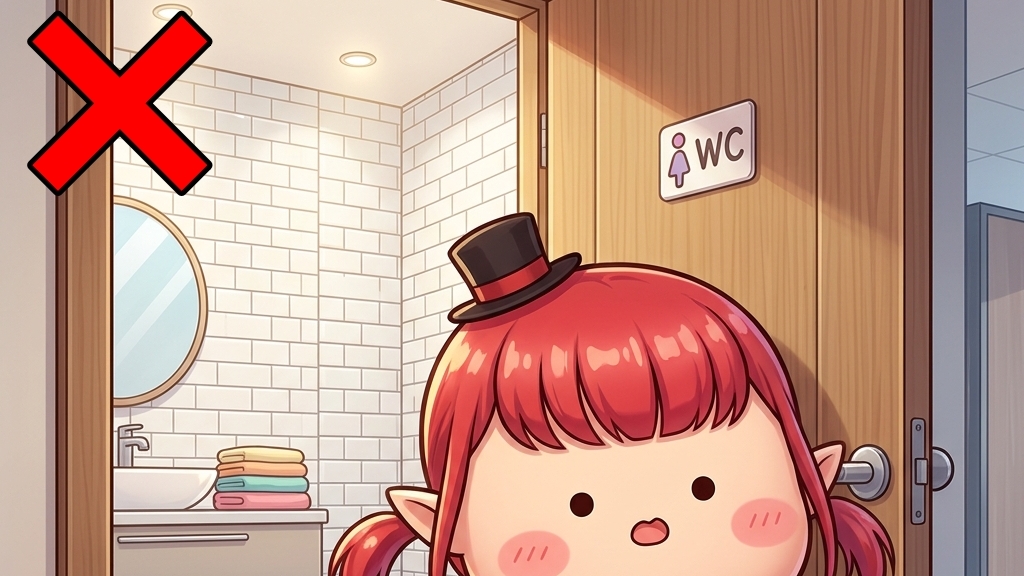
One common habit is taking your phone into the bathroom. In a survey, more than half of healthcare workers reported using their smartphones in the bathroom, and intestinal bacteria have been found on phones.
Avoid keeping your phone alongside keys, coins, and cards in a pocket or bag. These items can scratch it and transfer contaminants directly onto it, so a separate compartment for your phone is a much better option.

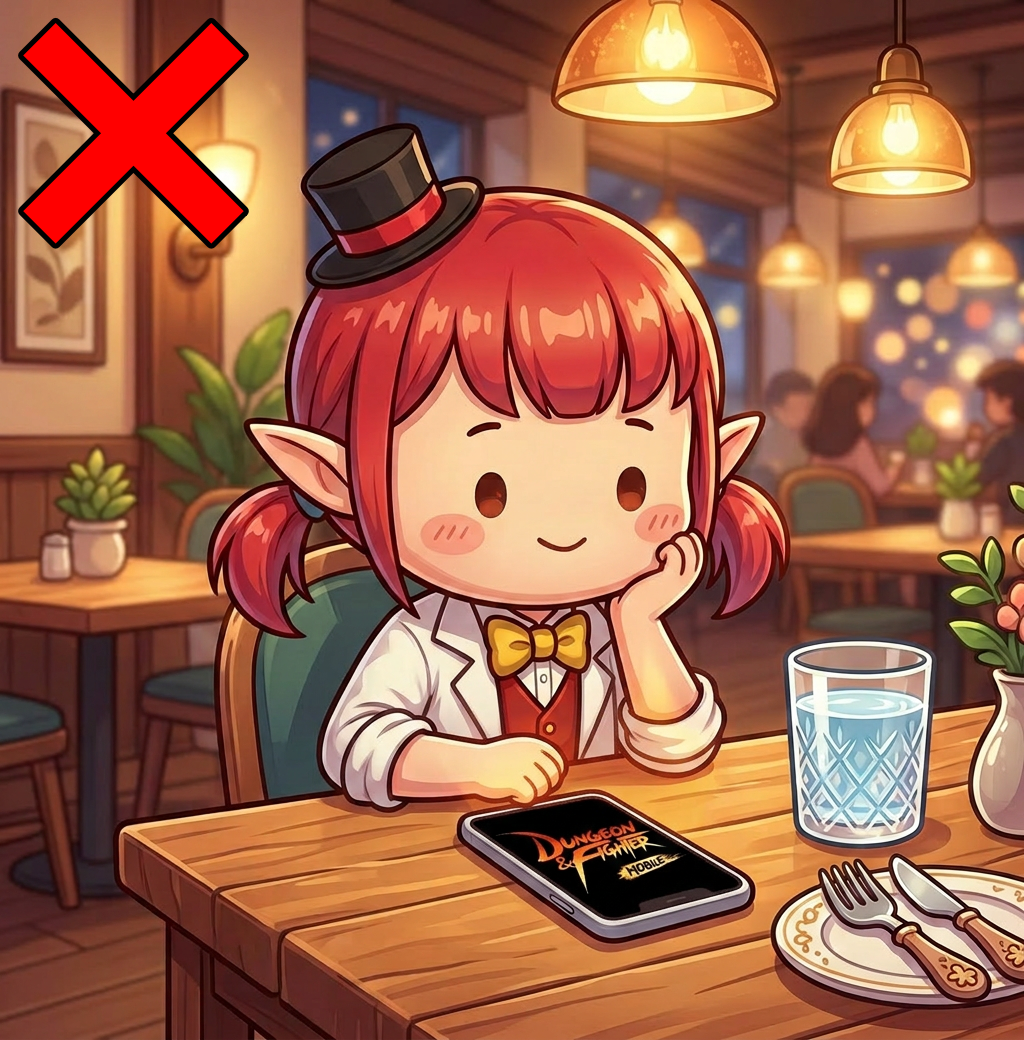
The same goes for placing your phone directly on a restaurant table when eating out. You cannot know how thoroughly each restaurant disinfects its surfaces, so get into the habit of resting your phone on your bag or a dedicated pouch instead.
Above all, wash your hands before touching your phone when you get home or before a meal. This alone can reduce contamination considerably.
Finally, check your case and screen protector for wear about 1 time a week. If either is badly discolored or torn, replacing it helps with both hygiene and device protection.
Wrapping Up

That covers the basics of keeping your smartphone clean. I’ve been playing KartRider Rush+ lately, often holding and using my phone with both hands for long stretches. It’s a useful reminder that I need to pay more attention to keeping it clean too.